


Power Solar for Your Home: Complete Guide to Residential Solar Energy and Savings
Harnessing solar power for your home transforms sunlight into long-term savings, energy independence, and environmental stewardship. Skyrocketing utility rates and increasing grid instability drive homeowners to seek reliable, cost-effective alternatives. In this guide you will discover how solar power systems work, the types of setups available, cost breakdowns and incentives, installation and maintenance best practices, environmental and financial benefits, leading panel technologies, and battery storage solutions—all tailored to help you make an informed decision. As a trusted residential solar provider, we blend technical expertise with customer-focused support to deliver seamless design, installation, and long-term performance.
What Is Solar Power for Your House and How Does It Work?
Solar power for your house harnesses sunlight via photovoltaic cells to generate electricity that reduces utility bills and boosts energy independence. A home solar system captures photons in silicon cells, converts them into direct current, and uses an inverter to supply alternating current for household use. Understanding this process lays the groundwork for choosing the right panels, inverters, and storage to maximize both performance and savings.
How Do Solar Panels Convert Sunlight into Electricity?
Solar panels convert sunlight into electricity through the photovoltaic effect, in which photons knock electrons loose to create electric current that powers appliances and lowers grid consumption.
Photovoltaic cells consist of silicon semiconductor layers treated to form a p-n junction; when light hits the cell, freed electrons flow toward one side, creating DC electricity. The inverter then transforms DC into AC for your home’s wiring.
Capturing light-to-electricity conversion is the core of residential solar, and mastering this mechanism ensures you select panels optimized for efficiency and durability.
What Are the Key Components of a Residential Solar Power System?
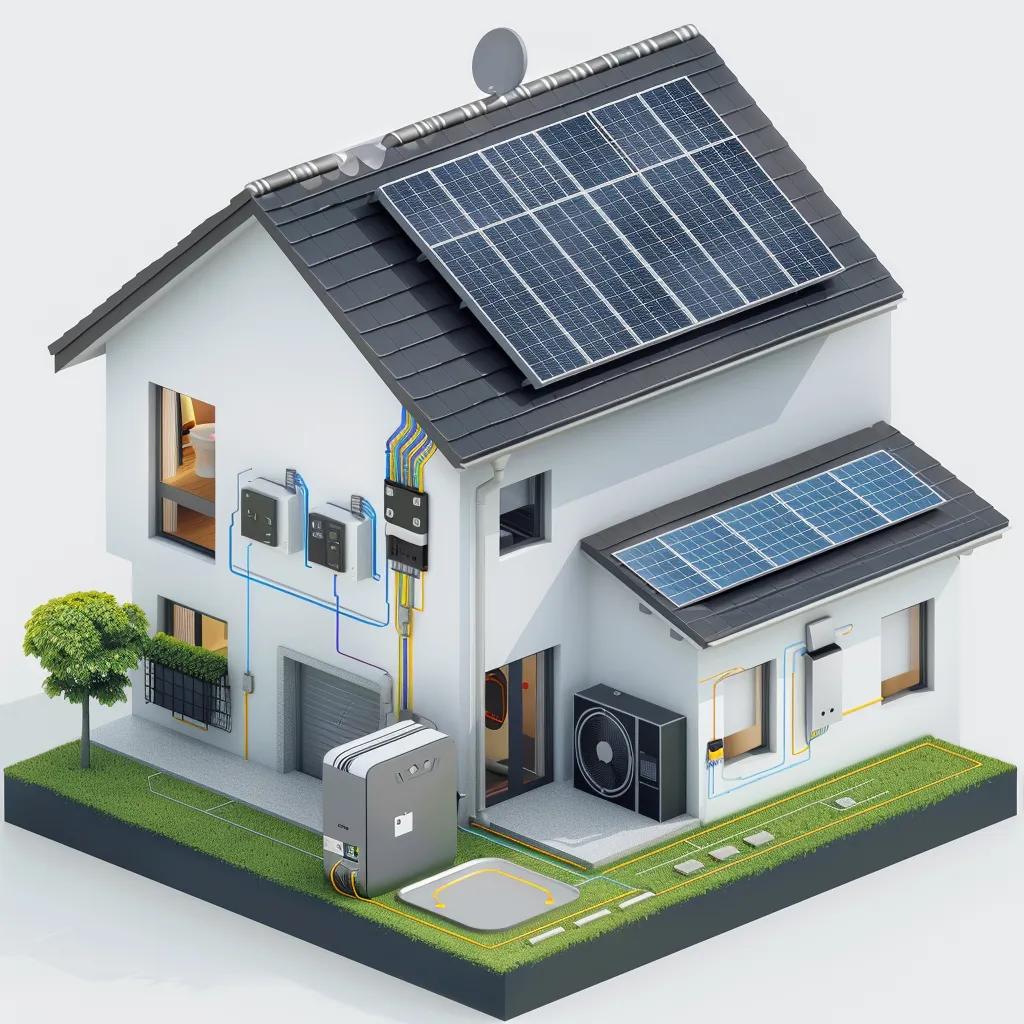
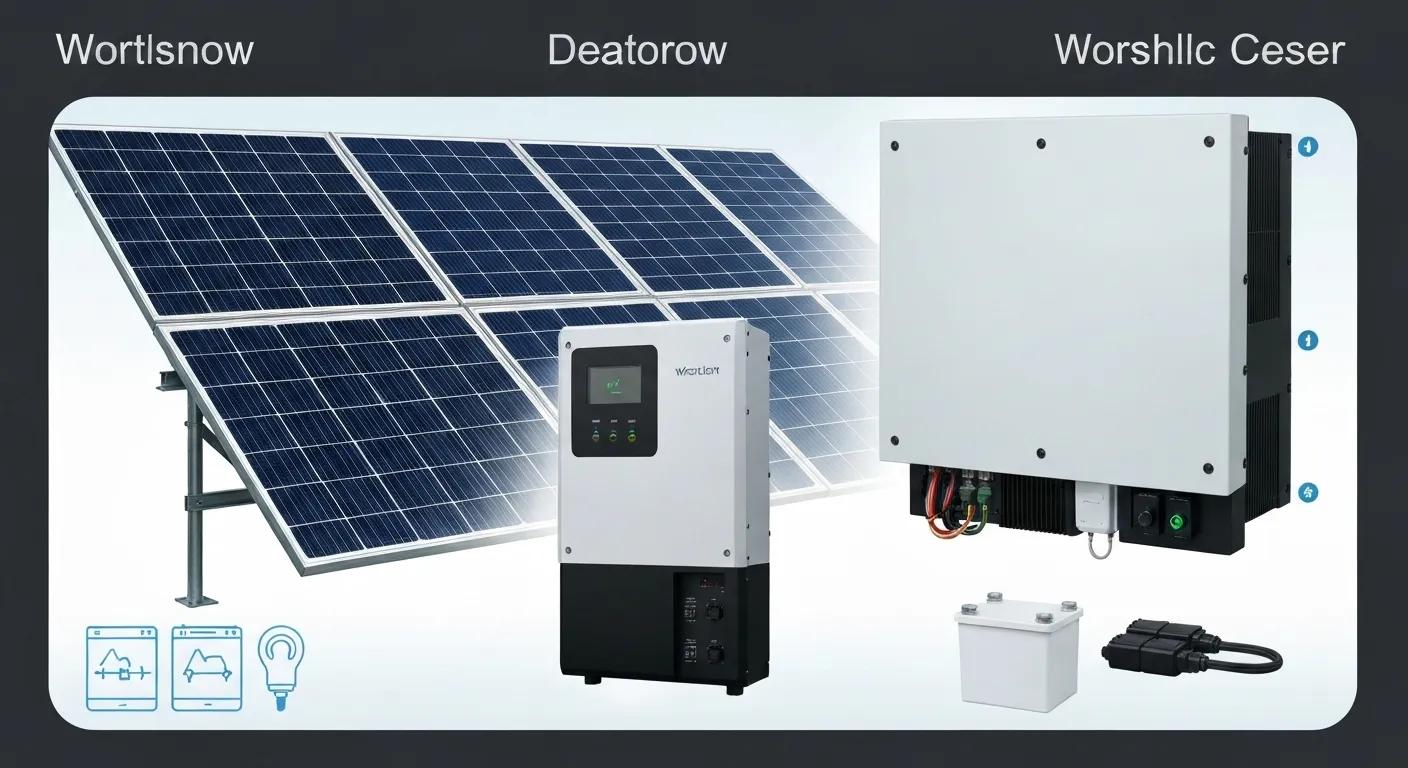
A residential solar power system comprises solar panels, inverters, mounting hardware, and optional battery storage to deliver reliable, off-grid or grid-tied electricity and maximize savings.
Every system requires:
- Solar panels to capture sunlight and generate DC electricity.
- An inverter to convert DC into grid-compatible AC power.
- Racking and mounting hardware to secure panels on roofs or ground mounts.
- Optional batteries for storing excess generation and providing backup.
- Electrical wiring and monitoring equipment for safety and performance tracking.
With panels, inverters, and mounting forming the system’s backbone, optional battery storage and monitoring complete a resilient, cost-effective solution for nearly any home.
How Does Net Metering Benefit Homeowners with Solar Power?
Net metering allows homeowners to receive utility credits for excess solar electricity sent to the grid, reducing overall energy costs and improving return on investment.
When your panels produce more power than your home uses, surplus energy is pushed to the grid and credited at retail rates. During periods of low production, you draw from the grid using previously earned credits. This seamless exchange lowers monthly bills and accelerates payback.
- Credits offset future utility charges.
- No additional equipment beyond a bi-directional meter.
- Seasonal balancing smooths out high and low production months.
By leveraging net metering, homeowners maximize the value of every kilowatt-hour generated, making solar power a financially compelling choice.
Net Metering and Financial Benefits
Net metering allows homeowners to receive credits on their utility bills for excess solar energy sent back to the grid. This can significantly reduce overall energy costs and improve the return on investment for homeowners. The credits earned offset future utility charges, making solar power a financially compelling choice.
This citation supports the article’s claims about the financial benefits of net metering, which is a key aspect of grid-tied solar systems.
What Types of Residential Solar Power Systems Are Available?
Residential solar power systems fall into three main categories—grid-tied, off-grid, and hybrid—each offering distinct advantages based on energy goals, autonomy requirements, and budget. Understanding system types ensures you select the model that aligns with your desire for savings, independence, and reliability.
What Are the Benefits and Considerations of Grid-Tied Solar Systems?
Grid-tied solar systems connect to the public utility network to seamlessly export surplus solar energy and import power during low production, offering cost-effective net metering and minimal equipment requirements.
- Pros: Lower initial cost, net metering credits, no batteries required.
- Cons: No backup during power outages, reliant on utility policies.
- Considerations: Local net metering rates, interconnection agreements, grid stability.
Grid-tied systems deliver immediate financial returns through utility savings but do not provide off-grid resilience, making them ideal for homeowners prioritizing cost savings.
How Do Off-Grid Solar Systems Provide Complete Energy Independence?
Off-grid solar systems rely solely on on-site photovoltaic panels and battery storage, requiring generators for backup to achieve full autonomy and uninterrupted power supply.
- Battery bank sized to meet nighttime and seasonal demand.
- Generator backup for extended cloudy periods.
- Charge controllers to manage battery health.
By eliminating reliance on the grid, off-grid setups offer ultimate independence, though at higher equipment and maintenance costs compared to grid-tied solutions.
What Makes Hybrid Solar Systems the Best of Both Worlds?
Hybrid solar systems integrate grid connection with battery storage to combine net metering benefits and backup power capabilities, enhancing reliability and energy autonomy.
- Store excess solar energy for nighttime use.
- Export to grid when batteries are full.
- Seamless switchover during outages.
Hybrid systems deliver the financial benefits of grid-tied solar while providing resilience during blackouts, positioning them as a versatile choice for homeowners seeking both savings and security.
How Much Does Solar Power Cost for Your Home?
The cost of solar power for your home depends on system size, equipment quality, installation complexity, and available incentives, but average prices range from $2.50 to $3.50 per watt before rebates. Accurately assessing cost factors and incentives is essential for calculating true investment value and payback timeframe.
What Is the Average Cost per Watt for Solar Panels?
The average cost per watt for residential solar panels ranges from $2.50 to $3.50, influenced by panel efficiency, installation complexity, and regional incentives to determine overall system pricing.
Cost Analysis of Solar Power Systems
The cost of residential solar panels typically ranges from $2.50 to $3.50 per watt, but this can fluctuate based on factors such as panel efficiency, installation complexity, and regional incentives. These incentives, including the Federal Investment Tax Credit (ITC), can significantly reduce the upfront costs, making solar installations more affordable.
This source provides verifiable cost ranges and information on incentives, which directly supports the article’s discussion of solar power costs and financial benefits.
Which Federal and State Incentives Can Reduce Solar Installation Costs?
Federal and state incentives such as the Investment Tax Credit and local rebates lower solar installation costs by up to 30 percent, making rooftop photovoltaics more affordable and sustainable investments.
- Federal Investment Tax Credit (ITC): 30% of system cost.
- State tax credits and rebates: Varies by state, often $0.20–$0.50 per watt.
- Local utility incentives: Performance-based or capacity-based programs.
Leveraging these programs can reduce upfront costs substantially, increasing the project’s return on investment and shortening payback periods.
How Do You Calculate Solar Payback Period and Return on Investment?
Calculating solar payback period involves dividing total system cost by annual utility bill savings, revealing how quickly the investment returns value and reduces lifetime energy expenses.
- Determine total installed cost after incentives.
- Estimate annual savings: average monthly bill × 12.
- Payback Period = Net Cost ÷ Annual Savings.
- ROI = (Lifetime Savings – Net Cost) ÷ Net Cost × 100%.
For example, a $15,000 net system cost with $1,200 annual savings yields a 12.5-year payback and a 200% ROI over a 25-year panel lifespan.
How Is Solar Power Installed and Maintained in Residential Homes?
Solar power installation and maintenance combine careful planning, skilled workmanship, and routine upkeep to ensure safe, efficient operation and sustained energy production for decades.
What Are the Step-by-Step Stages of Solar Panel Installation?
Solar panel installation follows four main stages—site assessment, permitting, mounting and wiring, and final inspection—to ensure safe, efficient system activation and long-term performance.
- Site Assessment: Roof orientation, shading analysis, energy needs audit.
- Permitting: Secure building and interconnection permits.
- Mounting & Wiring: Install racks, panels, inverters, and electrical connections.
- Inspection & Activation: Local authority checks and utility meter installation.
Completing each step diligently lays the foundation for a reliable system that performs as designed from day one.
How Can You Maintain Solar Panels for Optimal Performance?
Maintaining solar panels with regular cleaning, visual inspections, and performance monitoring ensures peak efficiency, prolongs lifespan, and maximizes energy output.
- Clean panels 1–2 times per year to remove dust and debris.
- Inspect wiring, mounts, and seals for wear or corrosion.
- Monitor output via installed monitoring software.
- Trim overhanging branches that cause shading.
Routine care preserves panel efficiency and safeguards your solar investment for decades of reliable energy production.
How Do You Choose a Reputable Solar Installer?
Choosing a reputable solar installer involves evaluating warranties, customer reviews, and industry certifications to secure quality equipment installation and reliable after-sales support.
- Verify NABCEP or equivalent installer certifications.
- Check manufacturer-backed equipment warranties (25-year for panels).
- Read homeowner testimonials and independent reviews.
- Ensure transparent contracts covering performance guarantees.
By selecting an experienced, credentialed installer, you ensure professional workmanship and ongoing support that reinforces long-term system performance.
What Are the Benefits of Solar Power for Your Home and Environment?
Solar power delivers significant financial savings, enhances energy independence, and reduces environmental impact by displacing fossil-fuel generation—making it a win-win solution for homeowners and the planet.
How Does Solar Power Reduce Your Electricity Bills and Increase Energy Independence?
Solar power reduces electricity bills by generating free daytime energy and increases energy independence by minimizing reliance on volatile utility rates and grid outages.
- Offsets 60–100% of annual electricity consumption.
- Locks in energy costs for 25+ years.
- Shields against rate hikes and blackouts.
Generating your own power transforms homeowners into active energy producers, securing predictable expenses and uninterrupted supply.
How Does Solar Energy Help Reduce Your Carbon Footprint?
Solar energy reduces carbon footprint by displacing fossil fuel–generated electricity, cutting greenhouse gas emissions and contributing to sustainable environmental stewardship.
- Each kWh of solar avoids ~0.92 lbs of CO₂.
- A typical 5 kW system prevents ~7,000 lbs of CO₂ annually.
- Promotes renewable energy adoption and grid decarbonization.
By choosing rooftop photovoltaics, homeowners join the global effort to mitigate climate change and protect ecosystems for future generations.
Can Solar Power Increase Your Home’s Value?
Solar power increases home value by enhancing property appeal and offering future owners continued energy cost savings, typically boosting resale prices.
- Adds 3–4% to home resale value on average.
- Sales close faster in solar-equipped neighborhoods.
- Attracts eco-conscious buyers willing to pay premiums.
Investing in solar not only cuts utility bills today but also enhances the marketability and long-term equity of your home.
Which Solar Panel Technologies Are Best for Residential Use?
Selecting the right panel technology—monocrystalline, polycrystalline, or thin-film—affects efficiency, cost, and application flexibility, enabling homeowners to match performance goals with budget and installation constraints.
What Are the Differences Between Monocrystalline, Polycrystalline, and Thin-Film Solar Panels?
Solar Panel Efficiency and Technology
Monocrystalline solar panels typically exhibit higher efficiency rates, ranging from 18% to 22%, compared to polycrystalline panels. This difference in efficiency can impact the overall performance and cost-effectiveness of a solar energy system. Furthermore, emerging technologies like perovskite cells are showing promise, with lab results exceeding 25% efficiency.
This research provides specific efficiency ranges for different solar panel types, which directly supports the article’s discussion of panel technologies.
What Emerging Solar Panel Technologies Should Homeowners Know About?
Emerging solar panel technologies like perovskite, bifacial, and tandem cells promise higher efficiency and lower production costs, paving the way for more versatile residential applications.
- Perovskite cells achieve >25% efficiency in labs.
- Bifacial panels generate additional energy from reflected light.
- Tandem architectures stack materials to capture broader light spectra.
Keeping an eye on these innovations positions homeowners to upgrade or expand systems as next-generation products become available.
How Efficient Are Residential Solar Panels Today?
Residential solar panels achieve efficiencies between 15 and 22 percent, with advanced PERC, TOPCon, and bifacial designs pushing performance toward 25 percent to maximize rooftop energy harvest.
- Standard panels: 17–19% efficiency.
- PERC and bifacial modules: 20–22%.
- Lab-scale cells: up to 26% efficiency.
Higher efficiency panels deliver more power per square foot, making them ideal for limited roof space or maximizing production in shaded areas.
What Solar Battery Storage Solutions Are Available for Homes?
Solar battery storage solutions capture surplus generation for later use, delivering backup power and further reducing grid dependence by storing energy when solar production exceeds demand.
What Types of Solar Batteries Are Common for Residential Use?
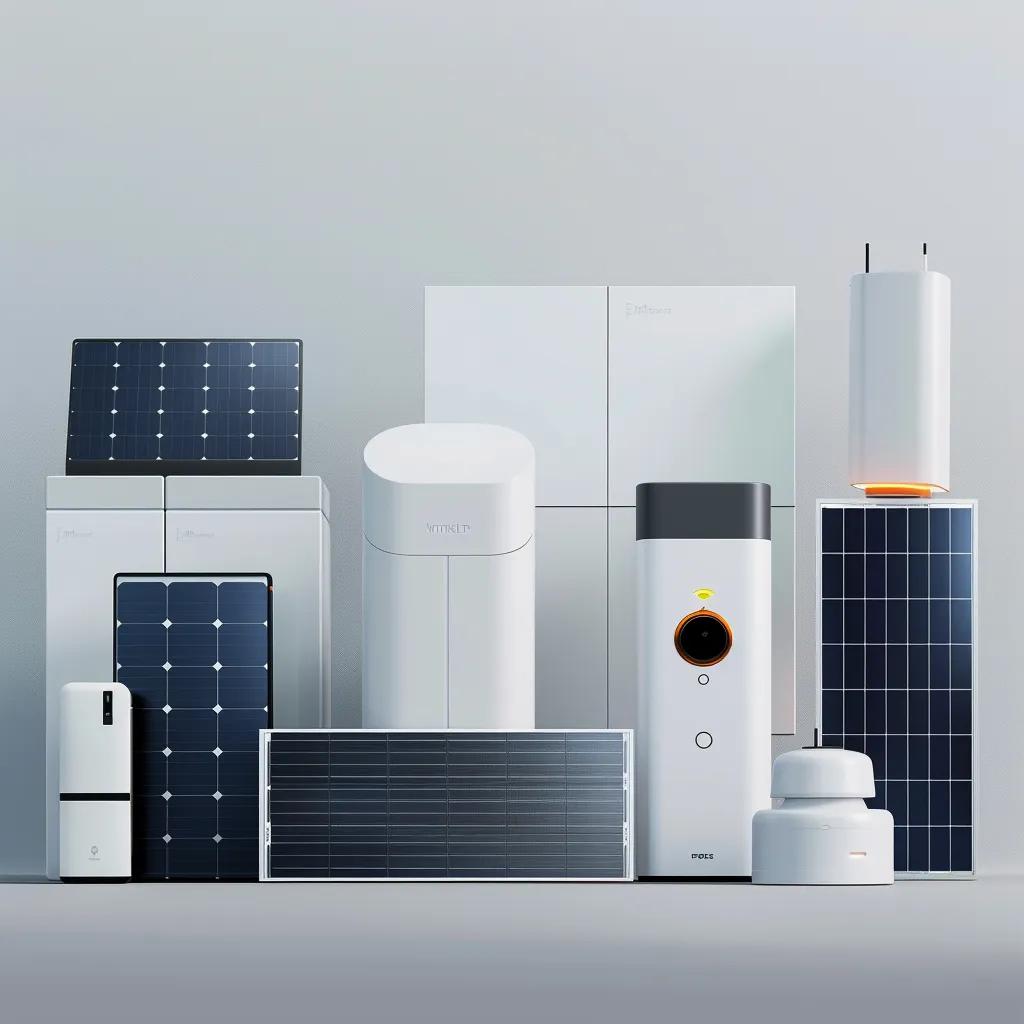
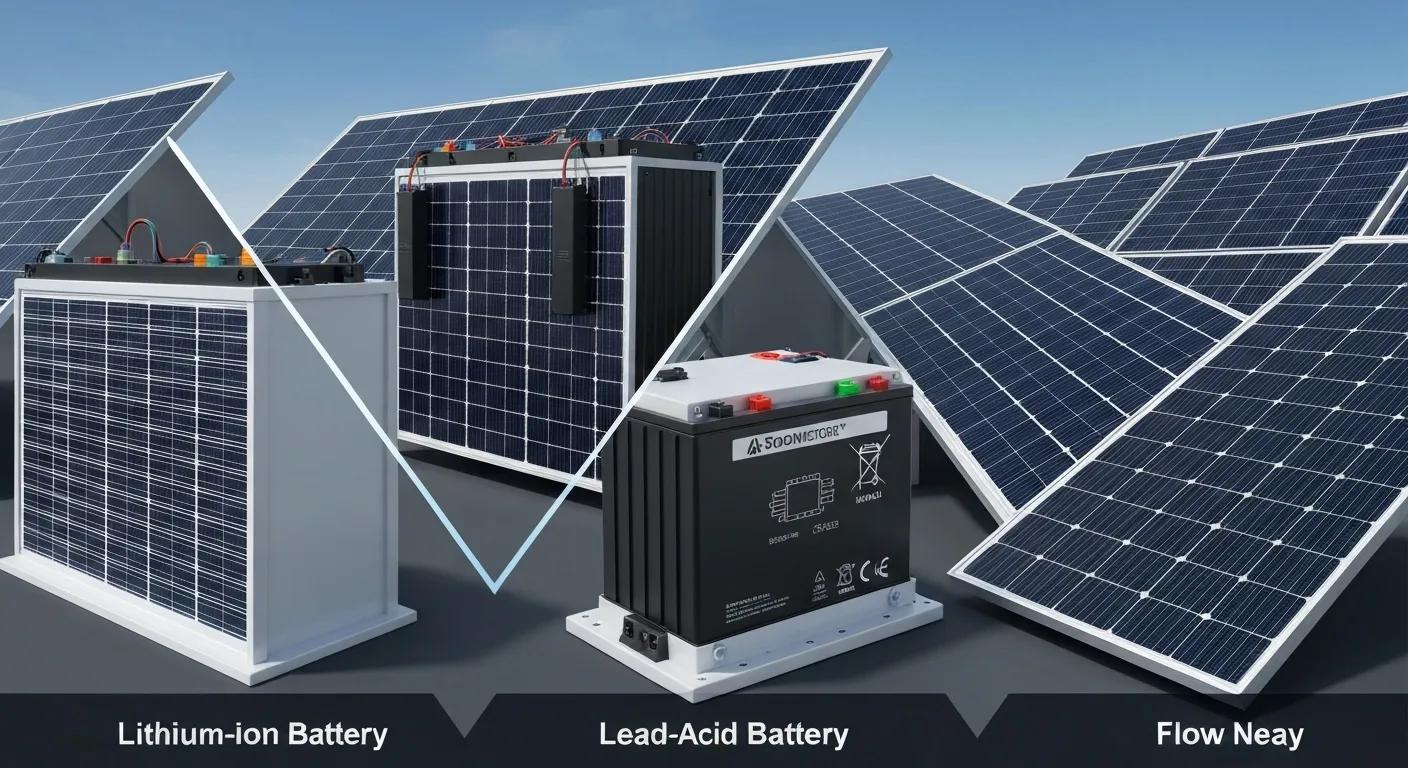
Comparing battery chemistries ensures homeowners choose storage solutions that align with reliability and budget goals.
How Do Solar Batteries Improve Energy Independence and Reliability?
Solar batteries improve energy independence by storing excess generation for use during low-sun periods and enhance reliability by providing seamless backup during grid outages.
- Store surplus on sunny days for night use.
- Provide critical backup during blackouts.
- Optimize self-consumption to maximize savings.
Integrating batteries transforms a solar array into a comprehensive home energy system that supports 24/7 reliability.
What Are the Costs and Lifespan of Solar Battery Systems?
Solar battery systems typically cost between $400 and $800 per kilowatt-hour and offer lifespans from 5 to 15 years, depending on chemistry, usage patterns, and maintenance.
- Lithium-ion: $500–$800/kWh, 10–15 years.
- Lead-acid: $400–$600/kWh, 5–7 years.
- Flow batteries: $700–$900/kWh, 10–20 years.
Investing in the right battery balances upfront costs with long-term performance and warranty support to secure maximum value.
Solar power represents a proven path to reducing energy costs, enhancing home resilience, and supporting global sustainability goals. By understanding how systems work, evaluating types, optimizing costs, and planning for maintenance and storage, homeowners can confidently transition to clean, reliable solar energy. Partnering with an experienced residential solar provider ensures seamless design, installation, and ongoing support, unlocking the full potential of rooftop solar for decades to come.