
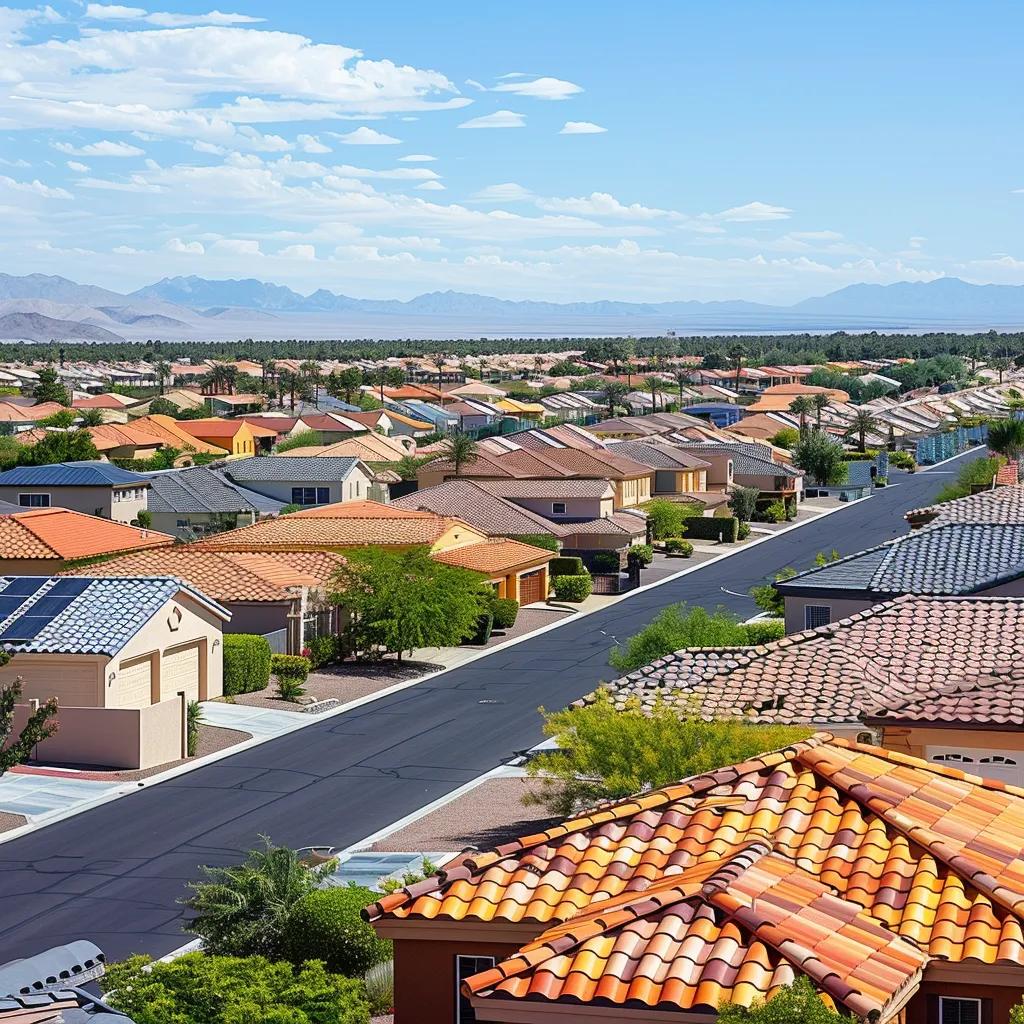
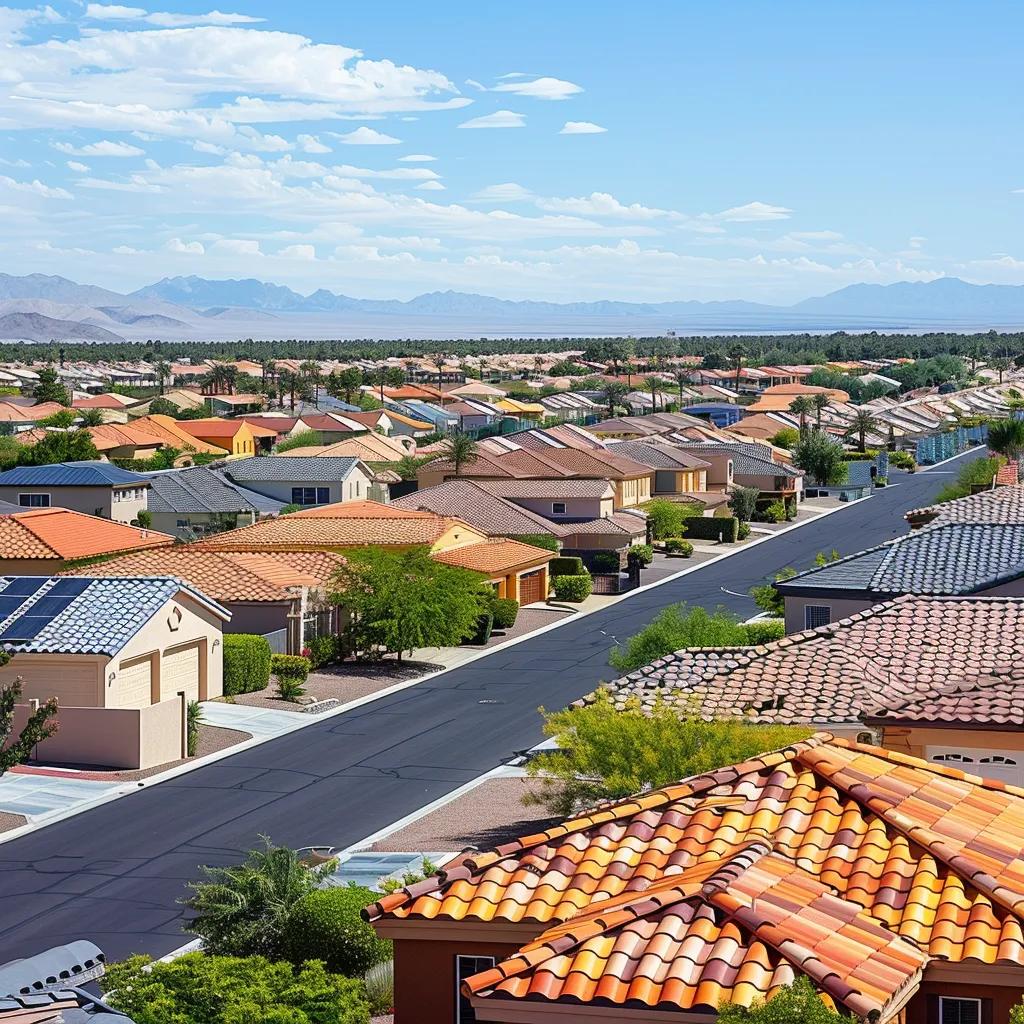
Asphalt vs Metal Roofing: Which Lasts Longer in Las Vegas?
Las Vegas homeowners face relentless sun, intense UV radiation, extreme temperature swings and seasonal monsoon gusts that test every roof’s resilience. Comparing asphalt vs metal roofing in this desert climate reveals dramatic differences in lifespan, energy performance, cost and maintenance demands. In this guide, you’ll discover how asphalt shingles and various metal systems are made, how the local environment accelerates wear, which material endures longest, and the total cost of ownership over decades. You’ll learn energy-efficiency trade-offs, installation and upkeep considerations, and expert decision factors tailored to single-family homes, commercial buildings and multi-family properties. By the end, you’ll understand which roofing solution best withstands Las Vegas heat and why One Stop Proof Shop’s local expertise ensures a durable, high-value installation.
What Are the Key Differences Between Asphalt and Metal Roofing?
Asphalt shingles and metal roofing represent two distinct product families with unique compositions, structural forms and performance characteristics. Asphalt shingles consist of a fiberglass or organic mat coated in asphalt–ceramic granules, offering affordability and ease of installation. Metal roofing is fabricated from steel, aluminum, copper or zinc panels or shingles, delivering superior durability and reflectivity. For example, architectural asphalt shingles cost less upfront but tend to degrade faster under desert UV, whereas standing-seam metal panels resist expansion–contraction and reduce cooling loads. Understanding these core material differences lays the foundation for evaluating how Las Vegas weather will impact each roof type.
These material distinctions directly influence performance under intense heat, wind uplift and monsoon moisture, guiding the choice of optimal roofing for Las Vegas properties.
What Is Asphalt Roofing and How Is It Made?
Asphalt roofing comprises a base mat—usually fiberglass or an organic felt—saturated with asphalt and surfaced with ceramic granules that provide UV protection and color. The manufacturing process first laminates the mat with asphalt, then embeds mineral granules under heat and pressure to create individual shingles or rolled sheets. This method yields a flexible, lightweight product that installs quickly and adapts to roof contours. Asphalt’s simplified manufacturing drives affordability, but ceramic granules will erode over time under relentless desert sun, exposing asphalt to thermal breakdown and accelerated aging.
Understanding asphalt’s layered construction highlights why heat and UV exposure are critical factors in Las Vegas, and sets the stage for comparing alternative roofing materials.
What Are the Main Types of Metal Roofing Used in Las Vegas?
Metal roofing in Las Vegas typically includes standing-seam panels, corrugated sheets, metal tiles and specialty copper or zinc systems.
- Standing-Seam Steel: Interlocking vertical seams deliver exceptional wind uplift resistance.
- Corrugated Aluminum: Lightweight, cost-effective and easy to transport on residential projects.
- Stone-Coated Steel Tiles: Combine metal longevity with traditional tile aesthetics.
- Copper/Zinc Shingles: High-end, naturally patinating metals that require minimal maintenance.
Each metal option resists UV degradation and thermal cycling more effectively than asphalt. For instance, standing-seam steel panels expand and contract neatly within engineered fasteners, preventing cracking and wind-driven water intrusion. Selecting the right metal profile and alloy directly influences energy savings, installation complexity and long-term durability.
How Do Asphalt and Metal Roofs Differ in Appearance and Style?
Asphalt shingles offer a broad palette of colors and simple architectural shapes—three-tab, dimensional or luxury profiles—mimicking slate or wood shake. In contrast, metal roofs present sleek vertical lines, tile-like profiles or standing-seam rectangles, often accented with concealed fasteners and trim accessories.
- Asphalt: Granule-faced texture, varied hues, easy DIY replacement of individual shingles.
- Metal: Reflective finishes, bold linear seams, integrated ridge vents and underlayment systems.
Homeowners seeking a traditional look may prefer asphalt’s familiar silhouette, while modern or Mediterranean styles often leverage metal’s crisp geometry. Visual preferences weigh against performance metrics such as heat reflection, expansion control and overall lifespan, necessitating a balanced design decision.
How Does the Las Vegas Climate Affect Asphalt and Metal Roof Durability?
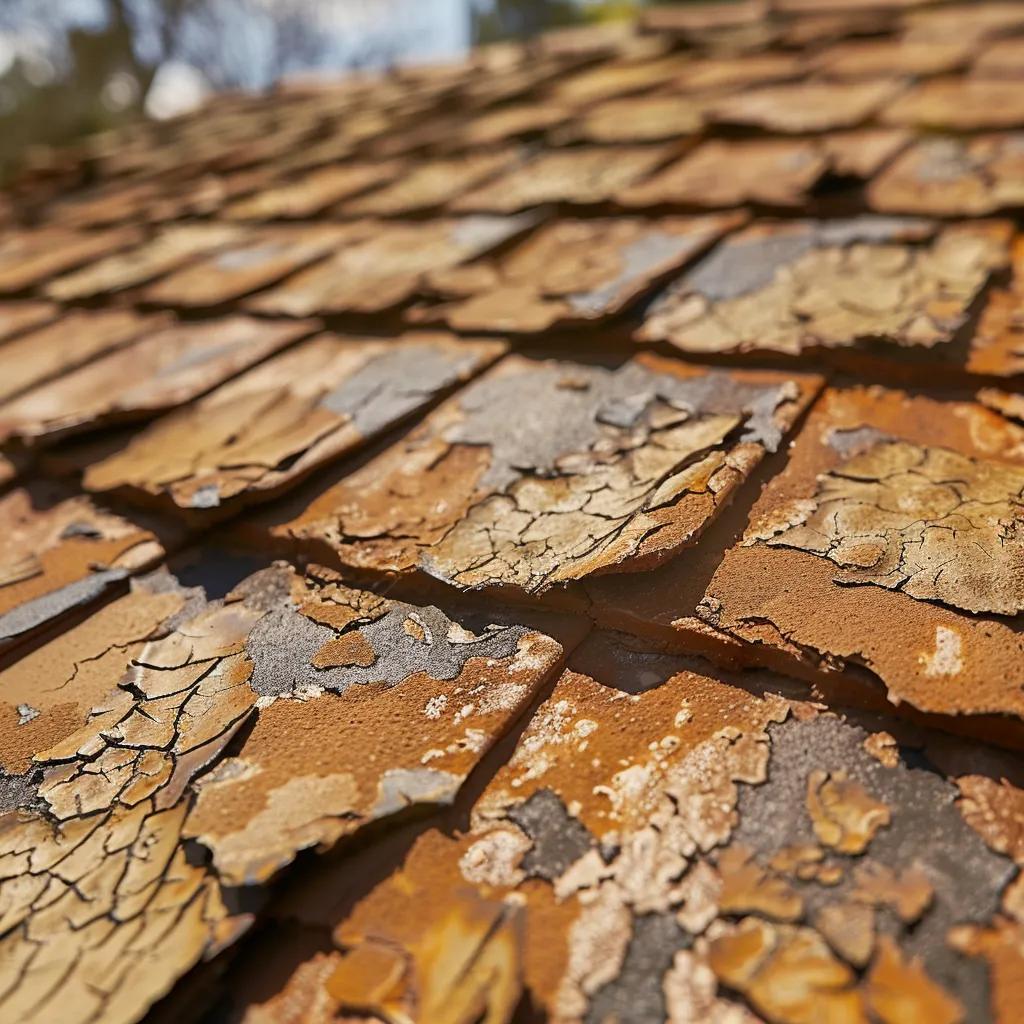
Las Vegas’ arid desert climate features intense solar radiation, extreme day-to-night temperature swings, seasonal monsoons and sporadic high winds. These stressors accelerate material degradation, test seam integrity and exacerbate water infiltration risks. Understanding UV resistance, thermal shock resilience and wind-driven rain performance for each roofing type is essential when projecting real-world durability.
What Impact Does Intense UV Radiation Have on Asphalt and Metal Roofs?
Intense UV radiation breaks down asphalt’s polymer chains, causing granule erosion, cracking and color fade. Metal roofing, especially with high-reflectivity coatings, resists UV-driven oxidation and heat build-up.
- Asphalt: UV penetration accelerates asphalt oxidation, leading to brittleness within 10–15 years.
- Metal: Reflective metal panels maintain material integrity for decades under direct sun.
Because metal surfaces reflect up to 70% of solar energy, they stay cooler and suffer far less UV-induced wear than asphalt, which typically absorbs more than 80% of sunlight. This differential performance under desert sun translates into longer functional lifespans for metal systems.
How Does Thermal Shock Influence Roof Lifespan in Las Vegas?
Thermal shock refers to rapid expansion and contraction caused by temperature swings between scorching daytime highs and cooler nights. Asphalt mats lack the tensile flexibility of metal, causing micro-cracks and seam separation over repeated cycles. Metal panels with engineered fasteners accommodate movement without structural damage. Over time, asphalt’s mat can delaminate and curl under nailing points, whereas metal standing-seam profiles flex back into place. Managing thermal shock with flexible materials and proper underlayment directly supports a roof’s endurance in the valley’s fluctuating temperatures.
What Are the Effects of High Winds and Monsoon Rains on Roofing Materials?
High-velocity winds can lift and tear unsecured shingle edges, especially when granules have eroded. Monsoon rains driven under wind-driven conditions exploit lifted shingles to enter decking.
Metal roofing systems use interlocking panels and concealed fasteners, providing superior wind uplift ratings (often Class D, >150 mph). Additionally, sealed panel seams and integrated flashing effectively shed monsoon water, whereas asphalt relies on seal-strips that may lose adhesion over time. The engineered resilience of metal roofs under wind and water stress ensures fewer leaks and maintenance interventions.
Which Roofing Material Lasts Longer in Las Vegas: Asphalt or Metal?
Determining the superior lifespan requires quantifying how each material weathers UV, thermal shock, wind and moisture in the desert environment. While asphalt averages two decades, metal roofing often doubles or triples that service life under comparable conditions.
What Is the Typical Lifespan of Asphalt Shingles in Las Vegas?
Asphalt shingles typically last between 20 and 30 years under normal conditions. In Las Vegas, intense UV and thermal shock can shorten that to 15–25 years, depending on shingle class and granule quality. Early signs of wear include granule loss, curling edges and cracking around fasteners. Recognizing these indicators enables timely repairs that extend service life before full replacement becomes necessary.
Asphalt Shingle Lifespan in Las Vegas
In normal conditions, asphalt shingles typically last between 20 and 30 years. However, the intense UV radiation and thermal shock in Las Vegas can reduce this lifespan to 15 to 25 years, depending on the shingle quality.
This citation provides a source for the article’s claims about the lifespan of asphalt shingles in the Las Vegas climate.
How Long Do Metal Roofs Typically Last in the Las Vegas Environment?
Metal Roofing Lifespan in Arid Climates
Metal roofing, when properly coated and installed, can last for 40 to 70 years in arid climates. This longevity is due to the materials’ resistance to UV degradation and thermal cycling, which are significant factors in the Las Vegas environment.
This research supports the article’s claims about the durability of metal roofing in harsh climates.
What Common Roof Damage Signs Indicate Material Wear in Las Vegas?
Homeowners should watch for:
- Cracked or curled asphalt shingles with exposed mat.
- Missing or bare spots where granules have worn away.
- Rust streaks or chalky oxidation on metal panel seams.
- Loose fasteners or seam separation under wind pressure.
What Are the Cost Differences Between Asphalt and Metal Roofing in Las Vegas?
Analyzing initial investment, ongoing maintenance expenses and potential energy savings reveals the true total cost of ownership. Asphalt begins with lower upfront fees but may incur replacement or high repair costs over time, while metal demands more capital initially but delivers decades of low-maintenance service and energy savings.
How Do Initial Installation Costs Compare for Asphalt vs Metal Roofs?
Asphalt shingles typically cost $3–$5 per square foot installed, including underlayment and labor. Metal roofing ranges from $7–$14 per square foot, influenced by metal type, panel profile and complexity of flashings. Although metal’s upfront cost is 2–3× higher, professional metal installations often include advanced underlayment systems and higher wind-uplift guarantees that add value and peace of mind.
What Are the Long-Term Maintenance and Repair Costs for Each Material?
Asphalt maintenance involves periodic granule top-ups, seal-strip reactivation and shingle replacement patches every 5–10 years—totaling $200–$500 annually on average. Metal systems require minimal upkeep: occasional seam inspections, debris removal and recoating every 20–30 years if desired—roughly $100–$200 per service interval. Over a 30-year period, metal roof maintenance costs can be less than half those of asphalt.
Can Metal Roofing Provide Energy Savings That Offset Higher Costs?
Metal’s high solar reflectivity can lower cooling bills by 10–25 percent in Las Vegas’s extreme heat. For a 2,000 ft² home, that translates to $200–$600 in annual electric savings—recovering the metal premium within 10–15 years. Combined with durability and lower repair expenses, energy savings further tilt the long-term cost-benefit in favor of metal roofs.
How Energy Efficient Are Asphalt and Metal Roofs in Las Vegas Heat?

Roofing materials influence attic and interior temperatures through solar reflectance and thermal emissivity. Metal systems with reflective coatings deflect more infrared radiation, while asphalt granules typically absorb heat, increasing cooling loads. Proper attic ventilation and insulation complement material choice to maximize comfort and efficiency.
How Does Metal Roofing Reflect Solar Heat to Reduce Cooling Costs?
Reflective metal panels coated with light-colored or specialized pigments can bounce up to 70 percent of solar radiation back into the atmosphere. This lowers roof deck temperatures by 20–30°F, reducing attic heat gain and ceiling radiative transfer. The result is up to a 15–25 percent reduction in air-conditioning energy use during peak summer months.
Why Do Asphalt Shingles Absorb More Heat and Affect Home Energy Use?
Asphalt’s dark granule surfaces absorb more than 80 percent of incoming solar energy, converting it into heat that travels through the roof deck into the attic. Without high-quality attic ventilation and insulation, this absorbed heat raises indoor temperatures, lengthens air-conditioner cycles and increases utility bills. Light-colored “cool roof” shingles improve performance slightly but still lag metal coatings in reflectivity.
What Role Does Proper Ventilation and Insulation Play in Roof Energy Efficiency?
Combining any roofing material with balanced ridge and soffit ventilation and high-R-value insulation blocks heat transfer, stabilizes attic temperatures and extends roof lifespan by reducing thermal shock. Ventilation allows hot air to exhaust, while insulation prevents heat buildup below the deck. Together, these elements maximize the efficiency gains offered by reflective metal panels or cool asphalt options.
What Are the Installation and Maintenance Considerations for Asphalt and Metal Roofs?
Selecting the right roofing system also depends on installation complexity, required expertise, typical project timelines and ongoing maintenance protocols. Asphalt installations are straightforward for many contractors, whereas metal often demands specialized tools, detailing and safety measures.
How Complex Is the Installation Process for Asphalt vs Metal Roofing?
Asphalt shingle installation involves nailing overlapping courses of 3-tab or dimensional shingles onto underlayment, flashings and drip edge. A typical 2,000 ft² home can be completed in 1–2 days by a trained crew. Metal roofing requires precise panel alignment, seam lock techniques or specialized fasteners, plus flashing integration around penetrations—often taking 2–4 days. While asphalt allows faster turnarounds, metal’s engineered systems ensure tighter joints and higher wind-uplift ratings.
What Maintenance Practices Are Needed to Extend Roof Lifespan in Las Vegas?
Regular maintenance extends durability for both materials:
- Clean debris from valleys and gutters to prevent water pooling.
- Inspect seams, flashings and seal-strips after monsoons.
- Replace cracked shingles or retighten loose metal fasteners.
- Schedule professional roof inspections every 3–5 years.
Consistent maintenance prevents minor issues—such as lifted shingles or oxidized panels—from escalating into leaks and structural damage, maximizing the full service potential of the chosen roofing material.
How Can Homeowners Identify and Address Thermal Shock or UV Damage Early?
Homeowners can spot early signs by checking:
- Shingle warping, granule bald spots or small fractures around nail heads.
- Panel surface chalking, primer exposure or seam widening.
- Interior attic discoloration or ceiling stains after rain.
Addressing these issues promptly—by sealing seams, replacing damaged shingles or recoating metal—preserves integrity and defers costly full-roof replacements.
Which Roofing Material Is Best Suited for Your Las Vegas Property?
Choosing between asphalt and metal roofing involves balancing durability, style, budget and energy priorities against local climate demands. Each property type has unique needs, from residential curb appeal to commercial return-on-investment and multi-family cost efficiency.
What Factors Should Homeowners Consider When Choosing Between Asphalt and Metal?
Homeowners should weigh:
- Service life expectations (20–30 years vs 40–70 years).
- Upfront budget versus long-term savings.
- Desired appearance and style compatibility.
- Energy efficiency priorities and utility cost reductions.
- Local wind and weather risk profiles.
Analyzing these criteria in the context of projected maintenance and replacement costs ensures an informed, resilient choice for desert-climate roofing.
How Do Commercial and Multi-Family Properties Benefit Differently from Each Material?
Commercial buildings and multi-family complexes often prioritize lifecycle cost, energy rebates and minimal downtime. Metal roofs deliver reduced operational expenses through high durability and energy savings, while asphalt installations may suit budget-constrained projects needing shorter-term solutions. Large roofs also provide economies of scale for metal panel installations, making the higher initial cost more palatable over expansive areas.
Why Choose One Stop Proof Shop for Expert Roofing Services in Las Vegas?
One Stop Proof Shop brings local expertise in desert-climate roofing, offering free estimates, certified installers and comprehensive warranties. Our knowledge of UV-resistant coatings, engineered underlayments and thermal-shock mitigation ensures each roof installation delivers maximum durability. Whether you need asphalt repair, metal replacement or routine maintenance, our Las Vegas team guarantees quality workmanship and responsive service that protects your investment for decades.
What Are the Most Common Questions About Asphalt vs Metal Roofing in Las Vegas?
Home and building owners frequently ask about resale value, inspection frequency and cost-benefit analyses for higher-end roofing systems under desert conditions. Addressing these concerns up front helps guide informed decisions and underscores the value of professional guidance.
Which Roof Type Offers Better Resale Value in Las Vegas?
Metal roofing can increase a home’s resale value by 1–6 percent thanks to its exceptional lifespan and energy-saving reputation. Buyers in Las Vegas often factor in lower cooling costs and reduced maintenance when evaluating properties, making metal roofs a strong selling point compared to asphalt.
How Often Should Asphalt and Metal Roofs Be Inspected or Repaired?
Industry practice recommends roof inspections every 2–3 years for asphalt and every 3–5 years for metal. High-wind seasons or monsoon periods warrant additional checks. Minor repairs—such as shingle patching or seam resealing—should occur as soon as issues arise to maintain waterproofing integrity.
Is Metal Roofing Worth the Higher Initial Cost in the Las Vegas Climate?
Yes, when accounting for a 40–60 year service life, reduced maintenance, energy savings of 10–25 percent and enhanced resale value, metal roofing’s higher upfront expense often pays for itself within 10–15 years. For long-term property owners and commercial investors, metal roofing delivers superior return-on-investment in desert environments.
A robust roof is the foundation of property protection in Las Vegas’ extreme climate. By understanding the material science behind asphalt shingles and metal roofing, you can choose the system that offers the optimal balance of durability, cost and energy performance. Whether you prioritize a lower-cost asphalt installation or the longevity and efficiency of metal panels, proactive maintenance and professional installation are essential. Connect with One Stop Proof Shop today for a free estimate and expert guidance, and ensure your roof endures decades of desert sun, wind and seasonal rains without compromise.
Frequently Asked Questions
What Are the Environmental Impacts of Asphalt vs Metal Roofing?
Asphalt roofing contributes to environmental concerns due to its petroleum-based materials, which can release harmful emissions during production and disposal. In contrast, metal roofing is often made from recycled materials and is fully recyclable at the end of its life, reducing landfill waste. Additionally, metal roofs can help lower urban heat islands by reflecting solar energy, contributing to cooler urban environments. Choosing metal can be a more sustainable option for environmentally conscious homeowners.
How Do Local Building Codes Affect Roofing Material Choices in Las Vegas?
Local building codes in Las Vegas may dictate specific requirements for roofing materials, including fire resistance, wind uplift ratings, and energy efficiency standards. Metal roofing often meets or exceeds these codes due to its durability and resistance to extreme weather conditions. Homeowners should consult local regulations and possibly a roofing professional to ensure compliance and to select materials that not only meet code but also provide long-term benefits.
What Are the Aesthetic Options Available for Metal Roofing?
Metal roofing offers a variety of aesthetic options, including different colors, finishes, and profiles. Homeowners can choose from standing seam, corrugated, or metal tiles that mimic traditional roofing materials like slate or shingles. Additionally, metal roofs can be painted or coated with reflective materials to enhance energy efficiency while maintaining visual appeal. This versatility allows homeowners to achieve their desired look without sacrificing performance.
How Does the Installation Timeline Differ Between Asphalt and Metal Roofing?
The installation timeline for asphalt roofing is generally shorter, typically taking 1-2 days for a standard residential project. In contrast, metal roofing installations can take 2-4 days due to the need for precise alignment, specialized fasteners, and detailed flashing work. While asphalt may offer quicker installation, the longer lifespan and durability of metal roofing can justify the additional time spent during installation.
What Maintenance Practices Are Unique to Metal Roofing?
While both asphalt and metal roofs require regular maintenance, metal roofing has unique practices. Homeowners should inspect seams and fasteners for tightness and check for any signs of rust or corrosion, especially in coastal areas. Additionally, metal roofs may require periodic recoating to maintain their reflective properties and prevent oxidation. Regular cleaning to remove debris and ensure proper drainage is also essential to extend the lifespan of metal roofing.
Can Homeowners Install Metal Roofing Themselves?
While some homeowners may attempt DIY installation of metal roofing, it is generally recommended to hire professionals due to the complexity involved. Proper installation requires specialized tools, knowledge of local building codes, and experience with techniques to ensure watertight seams and secure fastenings. Mistakes during installation can lead to costly repairs and reduced roof performance, making professional installation a wise investment for long-term durability.
What Are the Energy Efficiency Ratings for Different Roofing Materials?
Energy efficiency ratings for roofing materials are often measured by their Solar Reflectance Index (SRI) and thermal emissivity. Metal roofing typically has higher SRI values, reflecting more solar energy and reducing heat absorption, which can lead to lower cooling costs. Asphalt shingles, while available in “cool roof” options, generally have lower reflectivity. Homeowners should consider these ratings when selecting roofing materials to maximize energy savings and comfort in their homes.
Conclusion
Choosing the right roofing material is crucial for homeowners in Las Vegas, where durability and energy efficiency are paramount. Metal roofing offers a significantly longer lifespan and lower maintenance costs compared to asphalt, making it a wise investment for the harsh desert climate. By understanding these benefits, you can make an informed decision that enhances your property’s value and resilience. Contact One Stop Proof Shop today for a free estimate and expert advice tailored to your roofing needs.