
Author: Lila Adams
Contributing Writer
Contrasting Colors to Transform Your Kitchen Decor
Average Price of Solar Panels in Las Vegas Explained
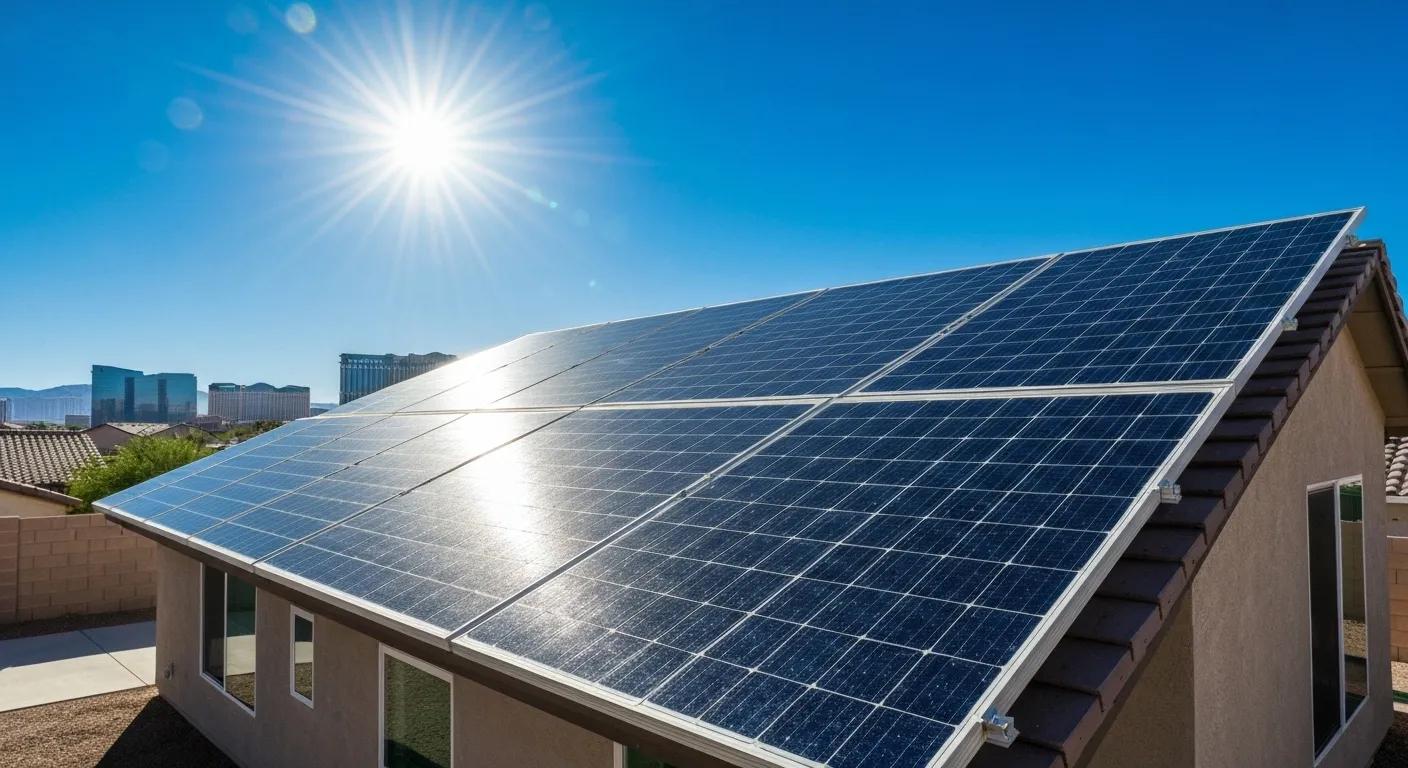
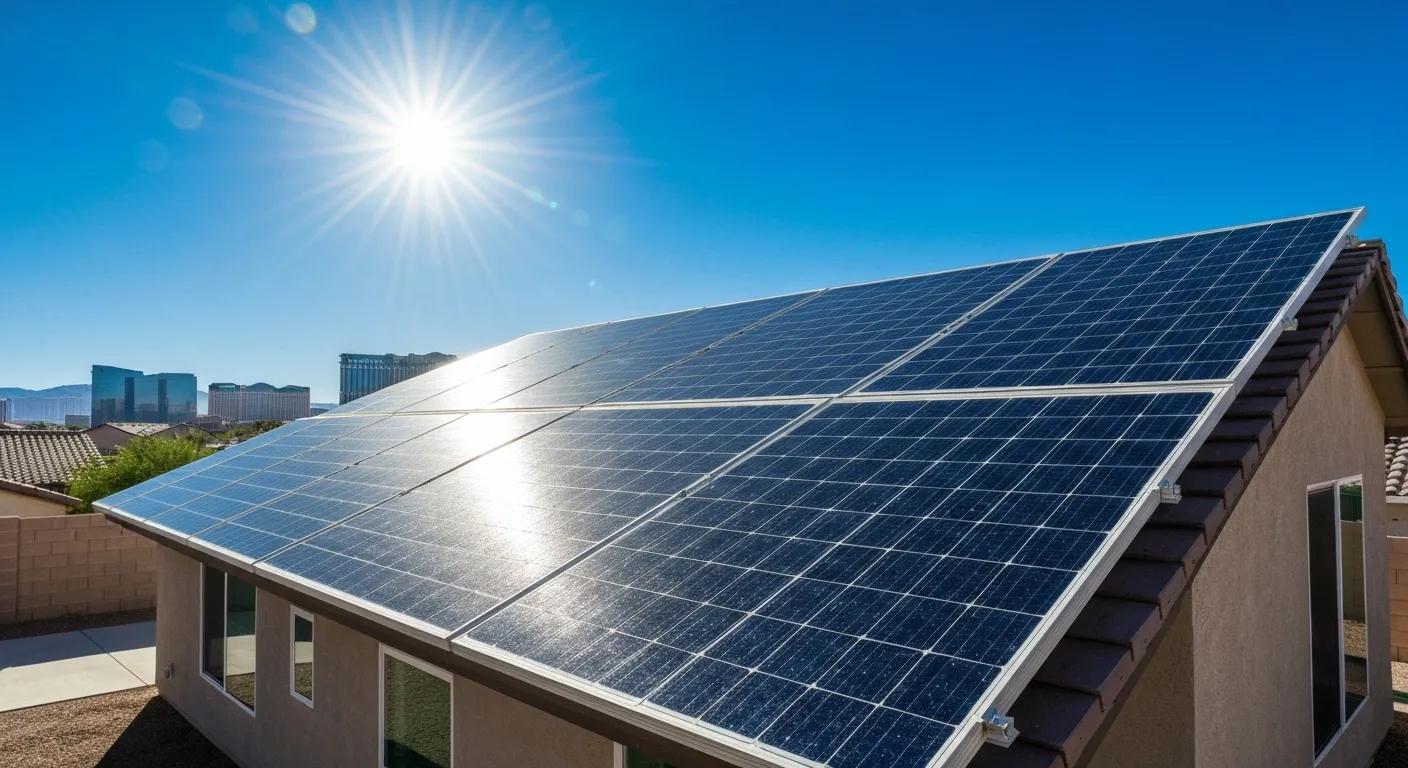
Solar Panel Costs and Installation Guide for Las Vegas Homeowners
In Las Vegas, solar panels are more than just a trend—they’re a smart investment. With costs ranging from $2.17 to $2.88 per watt, they offer homeowners a path to energy independence amidst rising utility bills.
Average Cost of Solar Panels in Las Vegas
On average, solar panels in Las Vegas cost between $2.17 and $2.88 per watt. A typical 5 kW system might set you back around $10,838 before incentives, dropping to $7,586 after the 30% federal tax credit.
This source provides the latest insights into solar panel costs in Las Vegas, reinforcing our pricing claims.
To truly grasp the average price of solar panels in Las Vegas, consider factors like system size, equipment quality, incentives, and long-term savings. This guide uncovers the current cost landscape, key price drivers, available rebates, return on investment, and how Sol-Up’s engineering-first, in-house installation model ensures quality and value. Here’s what you’ll discover:
- Current installation costs
- Factors influencing pricing
- How incentives reduce your investment
- When solar pays off and boosts home value
- Why Sol-Up is a standout choice in Las Vegas
- How to get a precise, customized quote
- Maintenance and warranty expectations
What Is the Current Average Cost of Solar Panels in Las Vegas?
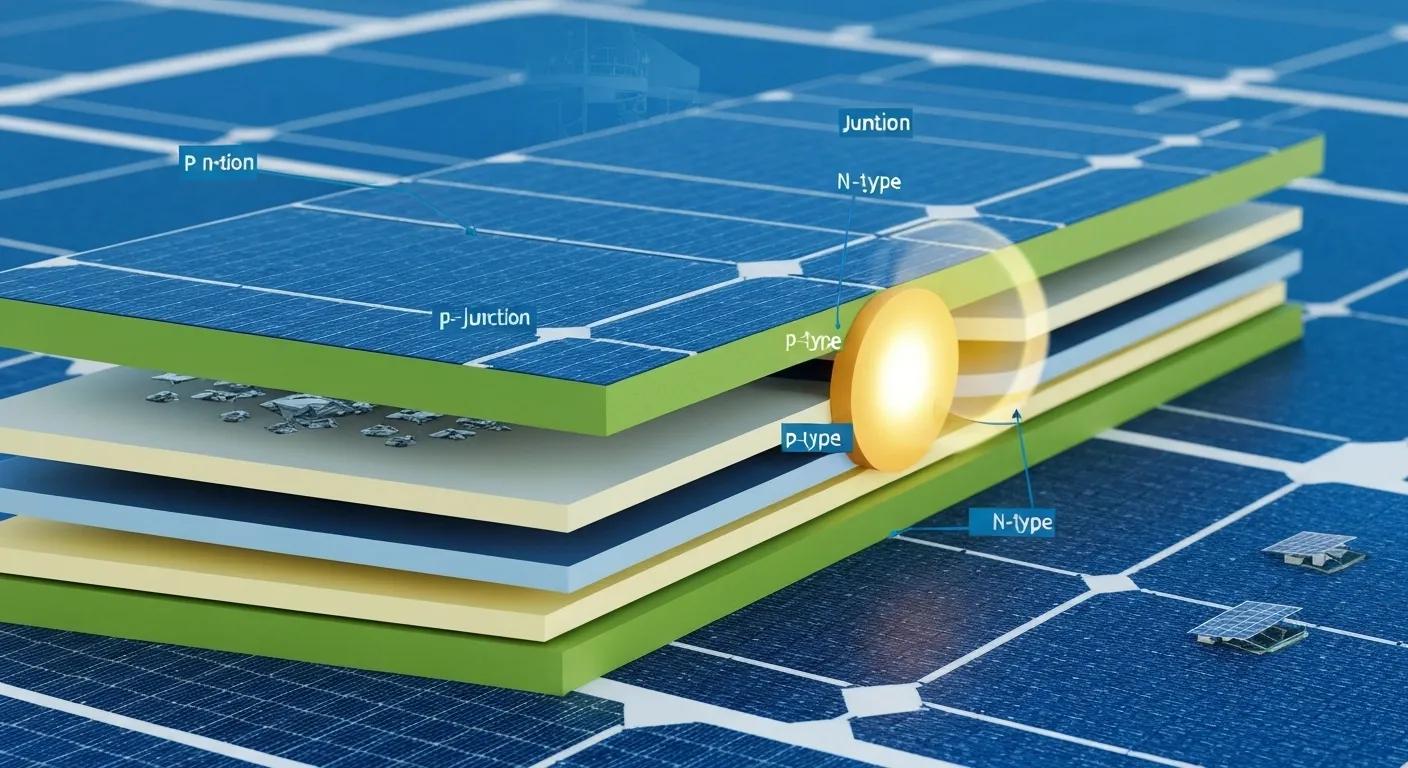
The current average cost of solar panels in Las Vegas is influenced by system size, panel efficiency, and installation complexity. Typically, Las Vegas prices are 10–15% below the national average. A standard residential system offers significant savings by converting abundant sunlight into clean electricity, with federal incentives reducing upfront costs.
Here’s a snapshot of average pricing before and after the 30% federal tax credit:
These figures show how system size affects prices, while incentives consistently deliver a 30% reduction, paving the way for energy savings investments. Let’s dive deeper into typical system costs.
How Much Does a Typical Residential Solar System Cost in Las Vegas?
A typical 5 kW residential solar system in Las Vegas costs around $10,838 before incentives, dropping to about $7,586 after the 30% federal tax credit. Variations depend on roof layout, panel brand, and inverter choice.
Here’s a breakdown by system size:
- 5 kW system: $9,500–$12,500 (before incentives)
- 7.2 kW system: $13,000–$16,000
- 10 kW system: $19,000–$24,000
These ranges account for standard roof access and mid-tier panel efficiencies, aligning with the primary factors discussed next.
What Is the Cost Per Watt for Solar Panels in Las Vegas?
The cost per watt, a key metric for solar generation capacity, typically ranges from $2.17/W to $2.88/W in Las Vegas. Lower rates often correlate with larger systems and bulk equipment discounts.
This per-watt metric guides system sizing decisions and helps compare proposals on an even basis. Next, learn how incentives further affect these costs.
How Do Federal and Local Incentives Affect Solar Panel Prices?
Federal and local incentives reduce your net investment by offsetting equipment costs or offering ongoing credits for excess energy production. The 30% federal tax credit applies to both panels and balance-of-system components, while NV Energy net metering compensates surplus power at retail rates.
Major incentives include:
- Federal Investment Tax Credit (ITC) – Reduces system cost by 30% through a tax credit.
- NV Energy Net Metering – Credits solar exports at retail electricity rates.
- Battery Incentives – NV Energy rebates for home battery installations.
These incentives combine to lower out-of-pocket expenses and accelerate return on investment. In the next section, we will explore all the factors that influence solar pricing in detail.
What Factors Influence the Price of Solar Panels in Las Vegas?
Solar pricing in Las Vegas is shaped by system capacity, panel technology, installation complexity, and optional battery storage. Understanding these drivers ensures you optimize your investment for your unique property and energy goals.
How Does Solar System Size and Energy Usage Affect Cost?
System size directly correlates with cost because capacity (kW) determines the number of panels, inverters, and mounting equipment required. Higher energy usage demands a larger array, increasing upfront expenses but delivering greater long-term savings.
Key dynamics include:
- Capacity Requirement – Bigger demand requires more panels.
- Economies of Scale – Larger systems often reduce per-watt costs.
- Electricity Offset – System size tuned to typical usage minimizes grid dependency.
Choosing the right capacity balances investment with anticipated energy production and utility bill reductions. The next cost driver examines equipment selection.
What Role Do Solar Panel Types and Equipment Brands Play in Pricing?
Panel and inverter brands influence performance, warranty terms, and price. Premium panels offer higher efficiency and better temperature-coefficient ratings, commanding a cost premium that may pay off in extreme heat.
Investing in proven brands enhances energy harvest and long-term durability, making the additional cost a strategic choice for reliability in Las Vegas’s high-heat environment. Installation complexity on your roof further impacts pricing.
How Does Roof Type and Installation Complexity Impact Total Cost?
Roof material, pitch, obstructions, and labor accessibility affect installation time and safety protocols, which influence labor costs and permit requirements.
Important considerations include:
- Roof Material – Tile roofs require specialized flashing and labor.
- Roof Pitch – Steeper roofs increase labor time and safety equipment needs.
- Obstructions – Chimneys, vents, and skylights complicate panel layout.
- Access Logistics – Multi-story homes or limited access raise installation hours.
Higher complexity adds incremental labor and equipment expenses. With these factors defined, consider the cost of integrating storage.
What Is the Cost of Adding Solar Battery Storage in Las Vegas?
Battery storage systems add backup power capabilities but increase initial investment. Popular home batteries range in capacity and pricing.
Adding storage typically increases system cost by 25–50%, depending on capacity and integration complexity. With these cost drivers covered, let’s examine available incentives in depth.
Which Solar Incentives and Tax Credits Are Available for Las Vegas Homeowners?

Las Vegas homeowners can leverage federal tax credits, NV Energy programs, and occasional local rebates to lower their net solar investment and improve payback timelines.
How Does the Federal Solar Tax Credit Reduce Installation Costs?
The Federal Investment Tax Credit (ITC) allows homeowners to claim 30% of the total solar system cost as a credit against federal taxes owed in the installation year. This tax credit applies through December 31, 2025, and can be carried forward if unused.
This credit decreases effective cost immediately and compels many homeowners to act before expiration. Next, explore NV Energy offerings.
What NV Energy Programs and Net Metering Options Exist?
NV Energy’s Net Metering Program credits customers at full retail rates for excess solar electricity sent back to the grid. These credits offset future bills dollar for dollar rather than wholesale rates.
Key features:
- Full Retail Credit for each kilowatt-hour exported
- Annual True-Up to settle any remaining balance
- Battery Incentives for adding storage systems
Net metering effectively extends savings year-round and encourages pairing panels with battery storage. Let’s turn to state and local rebates next.
Are There Any Local Solar Rebates or State Incentives in Nevada?
Although direct state rebates have largely expired, Nevada occasionally offers targeted incentives for battery installations and low-income programs. Historically, some county and municipal programs provided tiered rebates, but current emphasis lies on federal ITC and net metering credit value.
Awareness of these evolving offerings can deliver incremental savings, making it worthwhile to check periodically. With incentives covered, evaluate whether solar is worth the investment.
Is Solar Worth It in Las Vegas? Understanding ROI, Payback Period, and Savings
Solar proves highly worthwhile in Las Vegas, where abundant sunshine and rising electricity rates shorten payback periods and maximize lifetime savings.
What Is the Average Payback Period for Solar Panels in Las Vegas?
The average payback period falls between 6 and 10 years, depending on system size, panel efficiency, and utility rates. Las Vegas’s high irradiance accelerates energy production, compressing payback.
- 5 kW System: 6–8 years
- 7.2 kW System: 7–9 years
- 10 kW System: 8–10 years
A shorter payback means homeowners enjoy decades of net-zero energy with no additional capital outlay. Next, quantify electric bill savings.
How Much Can Homeowners Save on Their Electric Bills with Solar?
Solar systems typically offset 70–100% of a homeowner’s monthly electric bill, yielding average savings of $1,200 to $1,800 per year. Over a 25-year system lifespan, lifetime savings often approach $35,000–$40,000.
These savings depend on energy consumption patterns and panel performance. Paired with net metering, surplus energy credits further boost value. Finally, consider home value impacts.
How Does Installing Solar Panels Affect Home Value in Las Vegas?
Homes with solar installations often command a 4–5% premium in resale value compared with similar non-solar properties. Buyers value long-term utility savings and environmental benefits, making solar a sought-after feature.
Solar increases marketability and can expedite sales in energy-conscious neighborhoods. With ROI and savings established, discover how Sol-Up elevates your solar experience.
How Does Sol-Up Differentiate Its Solar Panel Installation Services in Las Vegas?
Sol-Up stands out through local expertise, engineering-driven design, top-tier brands, and an integrated, in-house installation team that ensures consistent quality control from design to activation.
What Are the Benefits of Sol-Up’s In-House Installation and Engineering-First Approach?
Sol-Up’s engineering-first methodology integrates system design, permitting, and installation under one local roof, avoiding subcontractor delays and quality inconsistencies. Key benefits include:
- Consistent Quality Control by NABCEP-certified installers
- Tailored System Design optimized for each roof’s orientation and shade patterns
- Streamlined Permitting with local code expertise
- Rapid Issue Resolution through centralized project management
This integrated model delivers reliable installations that perform predictably in the desert climate. Next, see which brands power these systems.
Which Premium Solar Brands and Technologies Does Sol-Up Use?
Sol-Up partners exclusively with leading solar manufacturers to maximize output and reliability under high heat conditions. Brand portfolio includes:
- Meyer Burger high-performance panels with low degradation
- Tesla Powerwall battery storage for whole-home backup
- Enphase Microinverters for module-level monitoring and redundancy
- SolarEdge Optimizers for dynamic voltage control and panel analytics
How Do Sol-Up’s Financing Options Help Reduce Upfront Costs?
Sol-Up offers a spectrum of financing solutions to align solar system ownership with budgetary needs:
- Solar Loans with competitive interest rates and fixed payments
- Solar Leases requiring little to no down payment
- Power Purchase Agreements (PPAs) that charge only for energy used
- Zero-Down Options leveraging future energy savings
These options reduce capital barriers and allow even modest-income households to benefit from solar. Customer feedback underscores satisfaction with both pricing and service.
What Do Customers Say About Sol-Up’s Solar Panel Pricing and Service?
Residential and commercial clients consistently praise Sol-Up for transparent pricing, on-time installations, and post-installation support. Common themes in reviews include:
- Clear Upfront Estimates without hidden fees
- Responsive Project Teams throughout design and permitting
- Smooth Installation Experience on tiled and shingle roofs
- Excellent Post-Install Support for performance monitoring
Positive testimonials demonstrate trust in Sol-Up’s commitment to quality and value. Ready to see what solar costs for your home? Let’s cover the quote process.
How Can Homeowners Get an Accurate Solar Panel Price Quote in Las Vegas?
An accurate quote requires detailed property data, energy usage history, and incentive eligibility. Sol-Up’s comprehensive process clarifies costs and maximizes savings.
What Information Is Needed to Receive a Customized Solar Quote?
To generate a precise estimate, homeowners should provide:
- Electricity Usage Records (past 12 months)
- Roof Details (type, pitch, orientation, shaded areas)
- Property Address for incentive mapping
- Credit Profile (for financing guidance)
- Desired System Goals (offset percentage, battery backup)
This information enables Sol-Up engineers to tailor system size, equipment selection, and financing options. Next, explore how their showroom and consultations work.
How Does Sol-Up’s Solar Showroom and Consultation Process Work?
Sol-Up’s showroom offers an immersive experience featuring live panel displays, inverter demos, and battery modules. Consultation steps include:
- In-Person or Virtual Meeting to discuss energy goals
- Site Assessment Scheduling with measurement tools
- System Design Review with brand and financing options
- Contract Finalization and project kickoff
Interactive demonstrations clarify performance expectations and build confidence in the recommended solution. After agreement, installation proceeds systematically.
What Are the Steps in the Solar Installation Process with Sol-Up?
Sol-Up’s streamlined installation process ensures timely activation and compliance:
- Design & Engineering – Finalize layout, permits, and incentive applications
- Permitting – Submit plans to local jurisdictions
- Equipment Procurement – Order panels, inverters, and racking
- Installation – Mount panels, wire inverters, connect to grid
- Inspection & Commissioning – Secure final approvals and activate system
A single point of contact guides homeowners through each phase, ensuring clear communication and on-time completion. Once live, long-term performance depends on proper maintenance.
What Are the Long-Term Costs and Maintenance Considerations for Solar Panels in Las Vegas?
Solar panels demand minimal upkeep but planning for performance checks, repairs, and warranty coverage over decades preserves system value.
How Long Do Solar Panels Typically Last in the Las Vegas Climate?
Modern solar panels offer a 25–30 year lifespan, with power output warranties guaranteeing at least 80% of rated capacity at 25 years. High UV exposure and heat can accelerate degradation, but premium panels mitigate this effect.
Extended durability ensures decades of clean energy production, making the initial investment a lasting asset. Maintenance costs remain modest in comparison.
What Are the Expected Maintenance Costs for Solar Systems?
Annual maintenance expenses typically range from $150 to $300, covering:
- Routine Cleaning to remove dust and debris
- Performance Inspections for hot spots and wiring integrity
- Inverter Servicing or replacement every 10–15 years
These routine activities maximize energy harvest and protect warranty eligibility. Next, see how warranties strengthen system value.
How Do Warranties and Roof Leak Protections Affect Overall Value?
Most premium panels and inverters carry 25-year performance warranties and 10–25 year product warranties, while Sol-Up’s labor warranty and roof-penetration protection cover installation workmanship and leak prevention.
This comprehensive warranty package:
- Guarantees Panel Output at ≥80% after 25 years
- Covers Inverter Failures for up to 25 years
- Protects Against Roof Leaks from mounting penetrations
- Assures Labor for the lifetime of the warranty
Strong warranty protections reduce risk and support system value over decades.
Solar installation in Las Vegas combines predictable pricing, significant savings, and long-term reliability. By understanding cost drivers, leveraging incentives, and choosing an expert provider, homeowners can confidently transition to clean, affordable energy.
Engaging Sol-Up’s engineering-driven, in-house team ensures a seamless quote, design, and installation process, backed by top brands and robust warranties. Reach out today to explore your solar options and secure lasting energy independence.
Meet Dr. Joe: Your Las Vegas Roof Installation Expert
With over 25 years of dedicated experience in roof installations across the Las Vegas valley, Dr. Joe brings unparalleled expertise to every solar project. His deep understanding of local climate challenges, from intense sun exposure to unique roofing materials, ensures that every solar panel system is not only optimally positioned for energy generation but also seamlessly integrated with your home’s structure for maximum longevity and protection. Dr. Joe’s commitment to quality craftsmanship and safety standards makes him a trusted authority in ensuring your solar investment is sound and secure.
Best Paint Colors to Transform Your Kitchen
Smart Kitchen Design Solutions for Small Spaces
Modern Kitchen Layout Styles to Transform Your Space
Kitchen Redesign Layout Options That Maximize Space
Exploring the Roots of Indian Bakery Culture: An in-Depth Analysis
Meta Title: “Exploring the Rich Heritage of Indian Baking: Origins and Traditions

Unveiling the Truth: Understanding What DA Checker Is
Unlocking the Mystery: Demystifying DA Checker and Its Importance | Learn about DA Checker Tool
The Importance of Selecting Sustainable Materials for Furniture Design
Discover the Advantages of Sustainable Materials in Furniture Design | Eco-Friendly Solutions for Stylish Living Spaces


The Importance of Maintaining Your Home’s Exterior
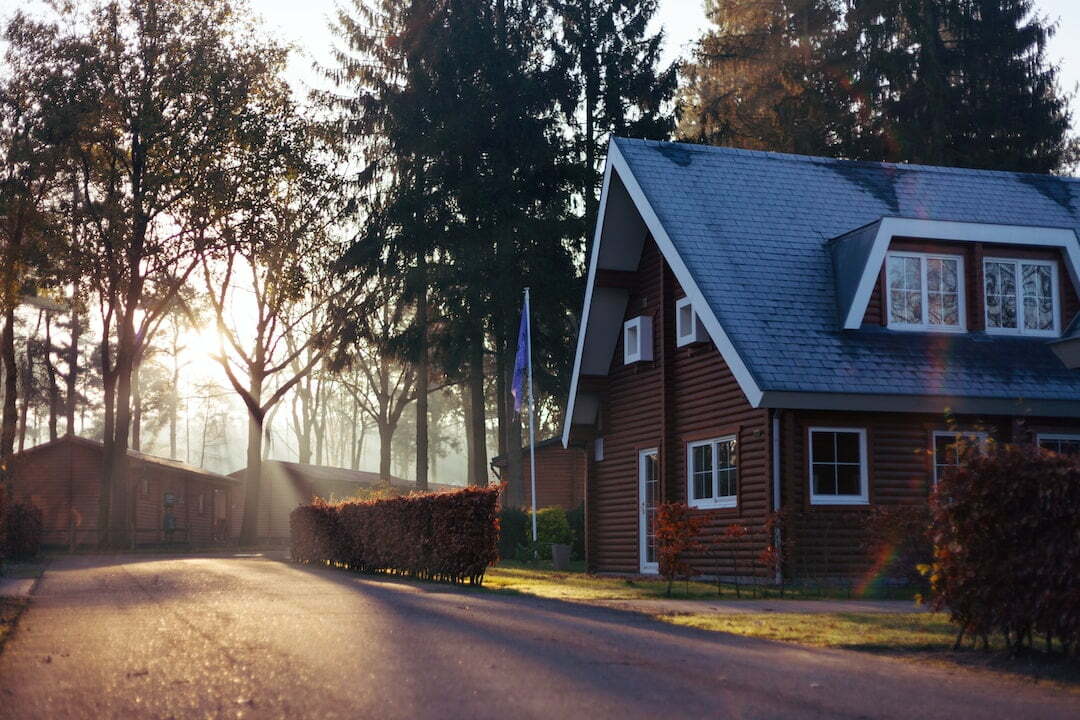
The exterior of your home is an essential space for maintaining the peace of mind and comfort that you expect as a homeowner. Many people fail to realize that quite a few of the problems that can manifest themselves in a home begin outside the walls, windows, and roof that protect your belongings, peace of mind, and even family. The elements can wreak havoc on a home, and if you haven’t spent the appropriate amount of energy on maintenance tasks here, the damage can quickly become catastrophic.
Maintaining the exterior of your home goes beyond the relaxation elements of a patio or pool deck. Likewise, a well-maintained home is one that will continue to hold its financial value over the long term as well. Continue reading to learn about the crucial elements of exterior home maintenance and what they can do for your comfort and peace of mind within and around the home.
Consider upgrades and renovations that spotlight external elements of the property.
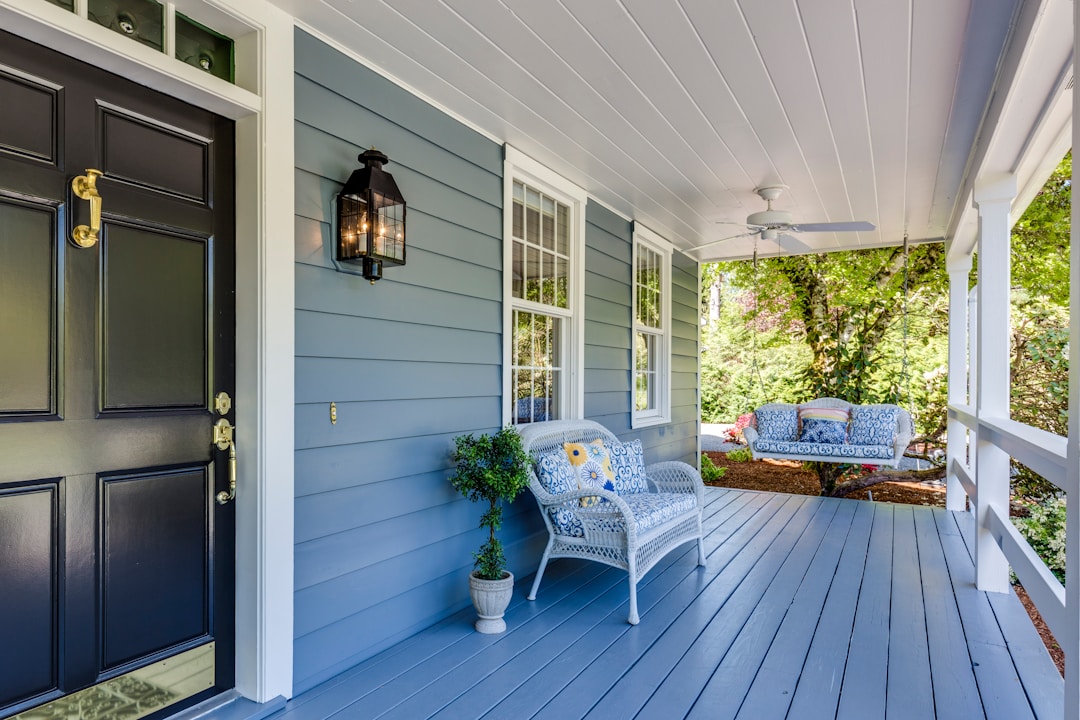
The outdoors is often a great place to begin when looking to incorporate some new home improvement projects into the value and comfort level of your home. Whether your property requires repairs to these spaces or you’re simply thinking of an addition that brings in better natural use of the landscape beyond the exterior doors, there are a variety of aspects of home improvement that can be leveraged here.
Starting with exterior house cleaning is often a great way to incorporate new improvements here. Cleaning the walls, roof, and any concrete spaces around the home can immediately improve the look and feel of the external living areas. Likewise, focusing on a thorough cleaning of the front-facing facade can provide you with greater curb appeal that brightens up your day every time you come home. Seeing a beautiful home each time you arrive back at the end of a day in the office or a trip to the supermarket can provide you with a powerful psychological boost that radiates throughout the property and your life. From pressure washing to garden bed cleanup, there are a number of simple solutions that can make a huge impact on your daily lifestyle with a simple focus on maintenance.
Don’t wait on structural fixes.

Just like the visual elements of the home, there are a number of somewhat hidden structural components of the external space that can either create or destroy the comfort level that you enjoy within the property. External systems such as the roof, windows, and foundation of your property are areas in which particular care must be taken to ensure that the living space remains comfortable and energy-efficient. The windows and roof are some of the most important features to focus on here. Hiring a roofer like Castle Roofing is the best way to ensure that your roof is always in good working condition. The roof requires routine maintenance in order to prevent cracks, leaks, and other issues that can quickly balloon into serious damage.
Your roof will likely need a replacement after about 20 years of service, on average. However, there are some steps you can take to improve this lifespan and bring it out to its maximum effective range before requiring a total replacement. For many, a bit of good luck plays a role here, but with yearly maintenance (often twice per year, depending on where you live and the typical weather you see as a result), you can keep tabs on the wear pattern of your shingles or tiles and work on minor repairs and solutions to keep your roof working properly for as long as possible. Consulting a roofer for replacement components or a new roof when the time comes is a must, though. Roofers are professionals and can get the job done quickly and effectively.
Consider these aspects of the exterior space of your home for the best comfort and quality of life at all times.
Most Common Home Repairs

There are many necessary repairs that must be done to a home in order to keep it in good condition. Some of these repairs may seem daunting but remember that they are your responsibility as a homeowner. By completing home maintenance tasks, you can help prevent small problems from becoming bigger problems. Additionally, home maintenance can improve your home’s efficiency and can even save money in the long run by avoiding costly repairs. There are many simple tasks that you can do yourself to keep your home in good condition. If you’re not sure what to do or where to start, read on to find out about some of the more common home repairs.
Which home repairs are the most common?

Addressing issues with your home’s roofing is by far one of the most common home repairs. When it comes to the condition of your home, your roof is one of the primary aspects to consider. A roof in good condition protects your home from the elements and helps keep it comfortable and energy efficient. If your roof is in need of repair, it’s essential to make the repairs as soon as possible to avoid further damage and expensive repairs down the road.
Homeowners will probably need an electrician at one point or another, as they perform many crucial types of home repairs and maintenance. If you’re experiencing any problems with your electrical wiring or fixtures, you’ll need to call an electrician to come and take a look. Electrical repairs can be tricky, so it’s best to leave them to the professionals like this electrician in Laguna Niguel. It’s also a good idea to have your electrical system inspected regularly to ensure your safety. An electrician can perform a safety inspection and let you know if there are any problems that need to be addressed.
Homeowners know that they need to take care of their homes, and one of the most integral aspects of home care is the maintenance of the HVAC system. HVAC repairs are one of the most common types of home repairs, and they can be costly, so take care of your system and catch any potential problems before they turn into expensive repairs. If your HVAC system is more than ten years old, it may be time to start thinking about a replacement.
How else can you improve your home environment?

Windows and doors are key parts of your home’s envelope. However, cracks and crevices in your windows and doors can let in outdoor air, moisture, and pests. Small cracks and crevices may not seem like a big deal, but they can actually cause a lot of problems. For example, they can let in cold air in the winter, which can increase your heating bills. They can also let in moisture, which can cause damage to your home’s framing, insulation, and walls. Seal up any cracks as soon as they appear or call a contractor to have them handle repair or replacement.
If you’re looking for a way to improve the look of your home without breaking the bank, then consider repainting. Repainting can completely change the look of a room. You just need to take your time, so you can choose a color that complements the rest of your home and decor. High-quality paint is critical too. Cheap paint can often look streaky and unsightly, so it’s worth investing in paint that you can trust will look amazing on your walls. Be sure to have a professional handle the painting. DIY painting can often look sloppy, so it’s worth hiring a professional to do the job correctly.
There are a number of reasons why prioritizing home repair is a necessary investment for every homeowner. Perhaps the most important reason is that home repair protects the investment you have in your home. By making repairs as needed and keeping your home in good condition, you can avoid costly and extensive repairs down the road. Home repairs can meaningfully help to improve the livability of your home, as well as the overall value. As long as you follow this advice, you can ensure that your home is functional and comfortable all year round.