
Exploring Plant-Based Diets: Benefits, Nutrition, and Transition Tips
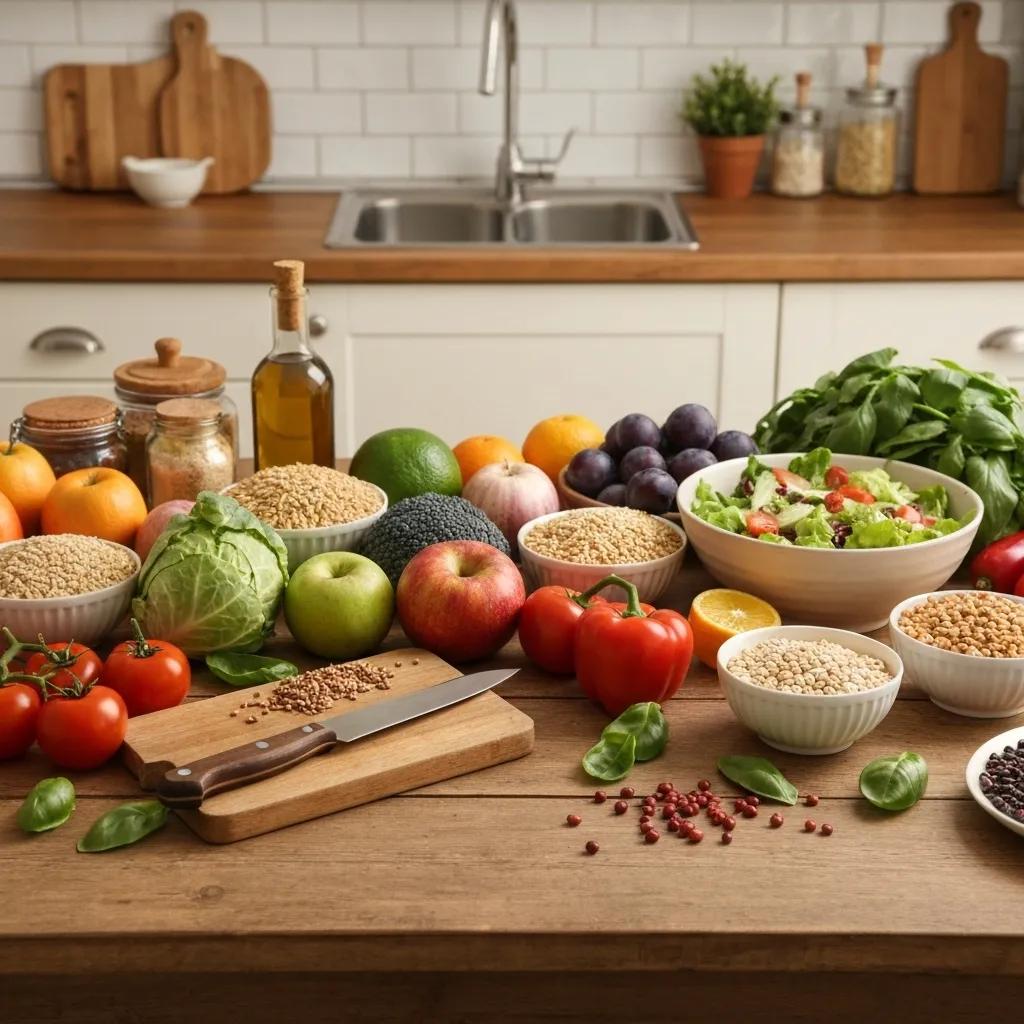
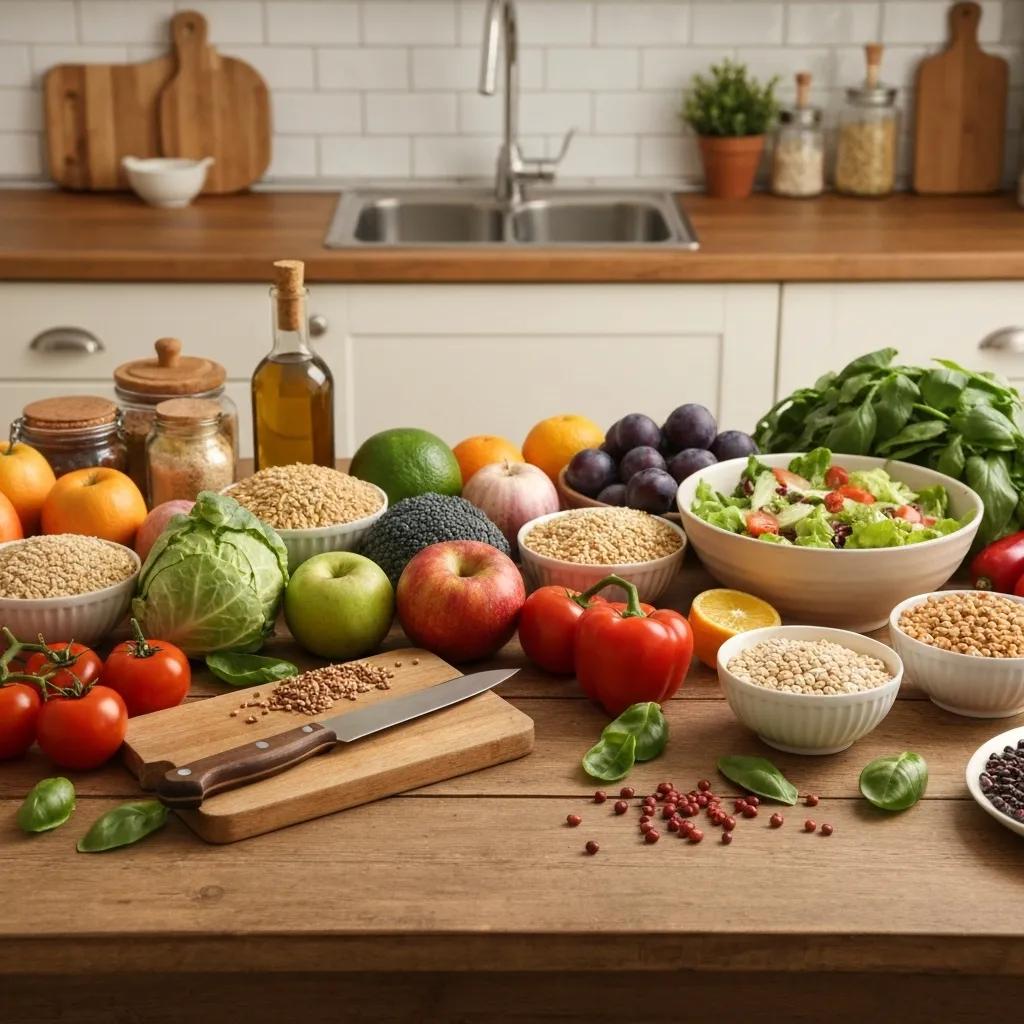
Plant-based diets center on whole foods from plants—vegetables, fruits, grains, legumes, nuts and seeds—offering powerful health, environmental and ethical advantages without sacrificing flavor or nutrition. By shifting from processed animal products to fiber-rich plant fare, individuals can lower cardiovascular risk, manage weight, and support sustainable food systems. This guide outlines the key benefits, essential protein sources, meal-planning strategies, critical nutrient considerations, and practical transition tips for anyone eager to adopt a vegetarian or vegan lifestyle.
What Are the Key Benefits of a Plant-Based Diet?
A plant-based diet reduces chronic disease risk by supplying antioxidants, fiber and phytonutrients that improve metabolic and cardiovascular health. By focusing on whole grains, legumes and colorful produce, this approach delivers sustained energy, improved digestion and lowered inflammation to support long-term vitality. These lifestyle gains extend beyond personal wellness, as plant-centric eating also decreases greenhouse gas emissions and conserves water.
Benefits of Plant-Based Diets for Cardiovascular Health and Chronic Disease Prevention
How Does a Plant-Based Diet Improve Heart Health?
Plant-based eating lowers LDL cholesterol through soluble fiber and plant sterols, which block cholesterol absorption and support healthy blood vessels.
- High soluble-fiber legumes bind bile acids, prompting the body to use excess cholesterol for replacement.
- Antioxidant-rich berries and leafy greens inhibit oxidative stress in arteries.
- Nuts and seeds provide unsaturated fats that enhance endothelial function.
These mechanisms reduce plaque formation and set the stage for better vascular resilience.
Can Plant-Based Eating Help Manage Weight and Diabetes?
Yes, a diet emphasizing whole plants promotes weight management and stable blood sugar by combining low energy density with complex carbohydrates and fiber.
- Fiber slows glucose absorption, reducing insulin spikes.
- Low-fat plant foods reduce total calorie intake without hunger.
- High-fiber legumes support beneficial gut flora linked to improved glucose control.
This balanced metabolism also eases diabetes management.
What Are the Mental Health and Gut Health Benefits?
Plant-based eating supports mental wellbeing and digestive balance by enhancing gut microbiome diversity.
- Fermentable fibers in beans and whole grains feed beneficial bacteria, producing short-chain fatty acids that strengthen the gut barrier.
- Phytonutrients modulate inflammation in the brain-gut axis to improve mood.
- Antioxidants protect neural pathways linked to cognitive resilience.
Optimized microbiota foster both emotional stability and digestive comfort.
Impact of Plant-Based Diets on Mental Health and Gut Microbiome
Which Vegan Protein Sources Are Essential for a Balanced Diet?
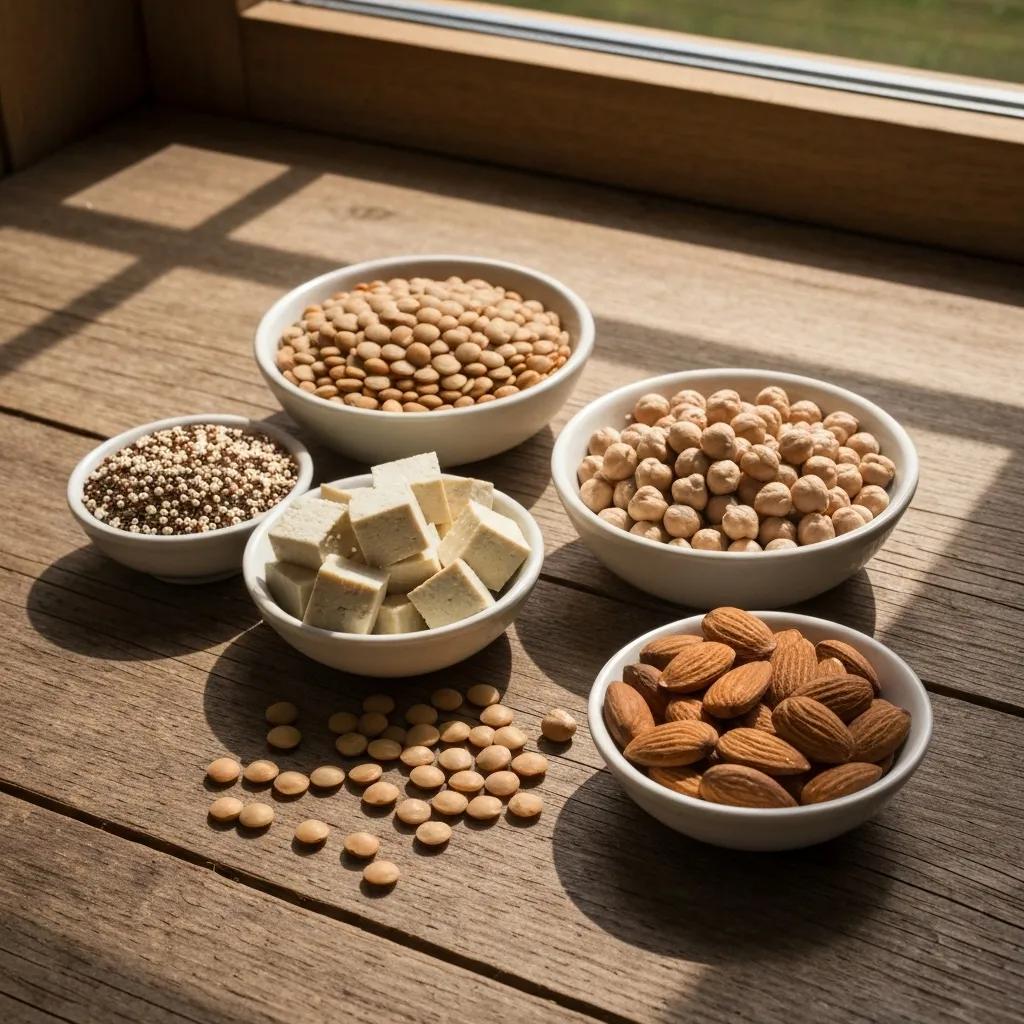
Plant proteins supply all amino acids when varied sources are combined throughout the day, ensuring muscle maintenance, immune support and hormone balance. Incorporating legumes, soy products, nuts and seeds meets daily requirements without animal products.
What Are the Top Plant-Based Protein Foods?
- Lentils (1 cup cooked) provide 18 g protein and 16 g fiber.
- Chickpeas (1 cup cooked) supply 15 g protein and 12 g fiber.
- Tofu (100 g) delivers 8 g protein and calcium.
- Quinoa (1 cup cooked) offers 8 g protein and complete amino profile.
- Almonds (¼ cup) contribute 6 g protein and healthy fats.
How to Combine Plant Proteins for Complete Amino Acid Intake?
- Legumes + Grains unify lysine from beans with methionine in rice.
- Seeds + Nuts such as chia with almonds cover histidine and threonine.
- Soy + Whole Grains like tempeh over oatmeal provides a full amino profile.
Rotating these combinations delivers peak protein quality.
What Are the Nutritional Facts About Vegan Protein Sources?
How to Plan Vegetarian and Vegan Meals for Optimal Nutrition?
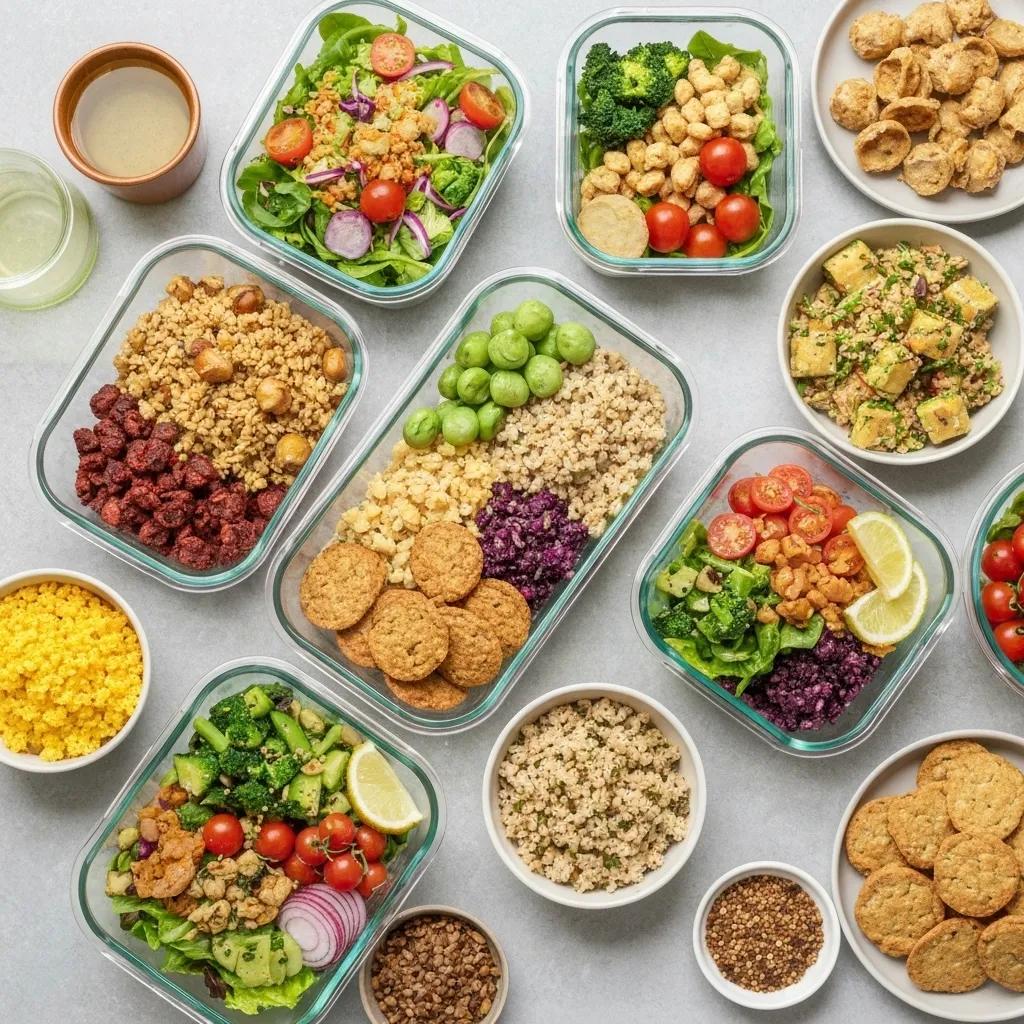
Balanced meal planning aligns macronutrients and micronutrients by combining proteins, complex carbs, healthy fats and colorful produce. Thoughtful portioning and variety ensure both energy stability and complete nutrient coverage.
What Are the Principles of Balanced Plant-Based Meal Planning?
- Macro Balance – Aim for 25–30% protein, 40–50% carbohydrates, 20–30% healthy fats.
- Color Diversity – Include three distinct produce colors for broad micronutrient intake.
- Whole Foods Focus – Prioritize minimally processed ingredients to maximize fiber and phytonutrients.
These principles build the foundation for nutrient-dense meals.
How Can You Create Budget-Friendly and Easy Vegan Meals?
- Bulk Legumes and Grains purchase reduces cost per serving.
- Seasonal Produce tends to be cheaper and more nutrient-dense.
- Batch Cooking of soups, stews and casseroles saves time and money.
Smart planning achieves both convenience and savings.
What Are Sample Meal Ideas for Breakfast, Lunch, and Dinner?
- Breakfast: Overnight oats with chia, almond butter and berries.
- Lunch: Quinoa salad with chickpeas, spinach, roasted vegetables.
- Dinner: Tempeh stir-fry with broccoli, bell peppers and brown rice.
These example meals demonstrate flavor variety and nutritional completeness.
What Nutrients Should You Monitor When Transitioning to a Plant-Based Diet?
Transitioning requires attention to micronutrients often lower in plant foods to prevent deficiencies and maintain health.
Essential Nutrient Monitoring in Plant-Based Diets
How to Ensure Adequate Vitamin B12 and Iron Intake?
- Vitamin B12 – Fortified plant milks, nutritional yeast or daily supplements deliver reliable B12.
- Iron – Combine iron-rich lentils or spinach with vitamin C sources (bell pepper, citrus) to boost absorption.
- Regular Testing – Monitor serum levels every 6–12 months to adjust intake.
Proactive monitoring prevents anemia and supports energy.
What Are Plant-Based Sources of Calcium, Vitamin D, and Omega-3?
- Calcium: Fortified tofu, kale, broccoli and fortified plant milks provide 200–300 mg per serving.
- Vitamin D: Sun exposure and fortified products supply 400–800 IU daily.
- Omega-3: Flaxseed, chia and walnuts deliver ALA; consider algae-derived EPA/DHA for conversions.
Strategic food choices support bone, immune and brain health.
When and How Should You Use Supplements on a Plant-Based Diet?
- B12: Daily 25–100 µg or weekly 2000 µg.
- Vitamin D: 1000–2000 IU if levels are low.
- DHA/EPA: 200–300 mg from algae oil for cognitive and cardiovascular support.
Follow personalized recommendations after blood testing.
What Are Practical Tips for Transitioning to a Plant-Based Lifestyle?
Successful shifts rely on gradual steps, recipe exploration, and community support to sustain motivation and dietary adherence.
How to Start Your Plant-Based Journey Successfully?
- Set Clear Goals by defining health or environmental motivations.
- Plan One Meal at a Time before expanding to full days.
- Experiment with Flavors using herbs, spices and international cuisines.
Starting small builds long-term compliance.
What Are Common Challenges and How to Overcome Them?
- Social Situations: Suggest group-friendly plant options or bring your own dish.
- Cravings: Replace cravings with satisfying plant swaps like jackfruit tacos instead of pulled pork.
- Cooking Confidence: Use simple recipes and one-pot meals to build skill.
Practical solutions remove barriers to success.
Where to Find Support and Resources for Plant-Based Living?
- Online Communities: Forums and social media groups offer recipes and encouragement.
- Mobile Apps: Meal-planning apps track nutrients and suggest recipes.
- Registered Dietitians: Professional guidance ensures balanced transitions.
These resources foster accountability and expertise.
Adopting a plant-based diet delivers extensive benefits for heart health, weight management, mental wellbeing and the planet. By focusing on varied protein sources, thoughtful meal planning and targeted nutrient monitoring, individuals create a balanced, sustainable eating pattern. Gradual changes, community support and reliable supplementation ensure a smooth transition. Embrace plant-based living today and experience lasting improvements in health and vitality.
Frequently Asked Questions
What are the environmental benefits of adopting a plant-based diet?
Adopting a plant-based diet significantly reduces your carbon footprint. Plant-based foods generally require less land, water, and energy to produce compared to animal products. For instance, producing a pound of beef requires approximately 1,800 gallons of water, while a pound of vegetables requires only about 39 gallons. Additionally, plant-based diets contribute to lower greenhouse gas emissions, helping combat climate change and promote sustainable agriculture practices. By choosing plant foods, you actively participate in conserving natural resources and protecting biodiversity.
How can I ensure I’m getting enough protein on a plant-based diet?
To ensure adequate protein intake on a plant-based diet, focus on incorporating a variety of protein-rich foods such as legumes, nuts, seeds, and whole grains. Combining different protein sources throughout the day, like beans with rice or peanut butter on whole-grain bread, can provide all essential amino acids. Additionally, consider including plant-based protein powders or fortified foods if needed. Regularly monitoring your protein intake and adjusting your meals can help maintain muscle mass and overall health.
Are there any specific health risks associated with a plant-based diet?
While a plant-based diet is generally healthy, there are potential risks if not properly planned. Nutrient deficiencies in vitamin B12, iron, calcium, omega-3 fatty acids, and vitamin D can occur, especially in strict vegan diets. It’s essential to include fortified foods or supplements for these nutrients. Additionally, some individuals may experience digestive issues due to increased fiber intake. Gradually increasing fiber and staying hydrated can help mitigate these effects. Consulting with a healthcare provider or dietitian can ensure a balanced approach.
How can I make plant-based meals more flavorful?
Enhancing the flavor of plant-based meals can be achieved through various techniques. Use fresh herbs, spices, and aromatics like garlic and onion to add depth to dishes. Experiment with different cooking methods such as roasting, grilling, or sautéing to bring out natural flavors. Incorporating sauces, dressings, and marinades made from ingredients like tahini, nutritional yeast, or citrus can also elevate taste. Exploring international cuisines that emphasize plant-based ingredients can inspire creativity and variety in your meals.
What are some easy plant-based snacks for on-the-go?
For convenient and nutritious on-the-go snacks, consider options like mixed nuts, trail mix with dried fruits, or energy bars made from oats and nut butter. Fresh fruits such as apples, bananas, or berries are portable and require no preparation. Hummus with carrot or cucumber sticks, or whole-grain crackers with avocado, also make satisfying snacks. Preparing snacks in advance and keeping them readily available can help maintain your plant-based lifestyle while managing busy schedules.
How can I involve my family in my plant-based journey?
Involving your family in your plant-based journey can be both fun and rewarding. Start by cooking together and experimenting with new recipes that appeal to everyone’s tastes. Encourage family members to choose meals or ingredients they enjoy, fostering a sense of ownership. Organize themed dinner nights featuring different cuisines or plant-based challenges to make it engaging. Sharing the health benefits and environmental impact of plant-based eating can also motivate family members to participate and support your lifestyle changes.
Conclusion
Adopting a plant-based diet delivers extensive benefits for heart health, weight management, mental wellbeing, and the planet. By focusing on varied protein sources, thoughtful meal planning, and targeted nutrient monitoring, individuals can create a balanced, sustainable eating pattern. Gradual changes, community support, and reliable supplementation ensure a smooth transition. Embrace plant-based living today and experience lasting improvements in health and vitality.