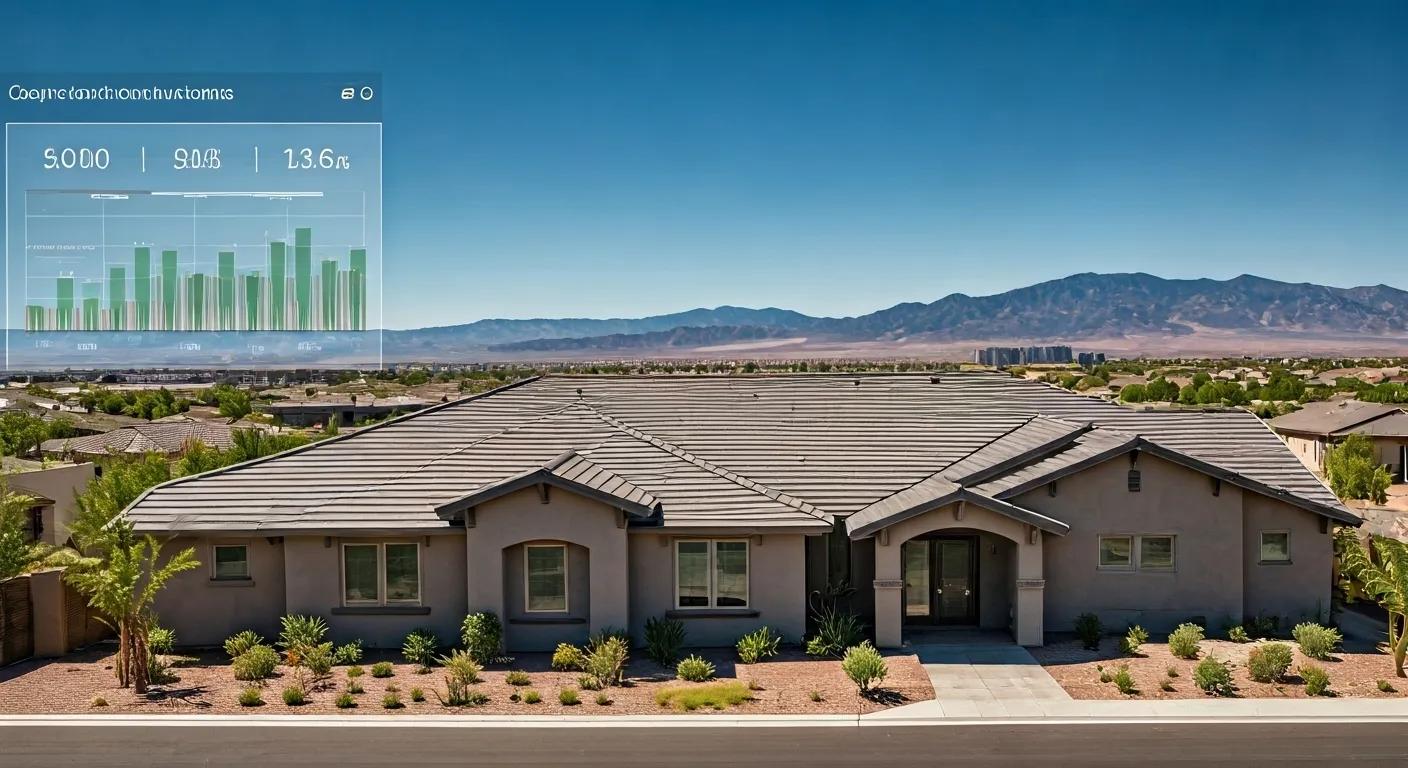

Emergency Roof Repair Services in Las Vegas: How They Work

When my roof needs urgent repair, I call trusted emergency roof repair services in Las Vegas. Their quick help and expertise make all the difference.

Emergency Roof Repair Services in Las Vegas Explained

Emergency roof repair is a critical service that addresses urgent roof damage to prevent further deterioration and protect your property from weather elements. In Las Vegas, where extreme temperatures, high winds, and sudden storms are common, immediate roof repair is crucial to safeguard both residential and commercial structures. This article explains the importance of emergency roof repair and details the processes, costs, and contractor considerations specific to Las Vegas.

What Is Emergency Roof Repair and Why Is It Crucial in Las Vegas?

Emergency roof repair involves immediate intervention to address severe damage that threatens a building’s structural integrity. It is a rapid response service designed to mitigate further damage from weather or wear. In a city like Las Vegas—with soaring temperatures, sudden sandstorms, and flash floods—even minor issues can quickly escalate if left unattended.

How Does Emergency Roof Repair Differ From Regular Roof Maintenance?

Unlike routine maintenance—which involves inspections, cleaning, and minor repairsemergency roof repair is reactive. It focuses on immediate risk reduction by sealing leaks or covering exposed areas to stop water intrusion and prevent structural decay. The harsh UV exposure and rapid temperature shifts in Las Vegas make immediate action essential when significant damage occurs.

What Common Roof Problems Require Immediate Repair in Las Vegas?

In Las Vegas, urgent repairs are needed for severe leakages, shingle blow-offs, water accumulation from heavy rains, and structural damage from high winds or hail. Storm-induced roof leaks can lead to substantial water damage and mold growth, while wildfires may create hot spots or weaken roofing materials. Even minor flaws can quickly become major expenses due to the city’s challenging environment.

How Does Las Vegas Climate Impact Emergency Roof Repair Needs?

The Las Vegas climate—with intense sunlight, extreme heat, and sudden weather changes—weakens roofing materials over time. UV rays cause brittleness and shingle deterioration, while flash floods and thunderstorms increase the likelihood of water intrusion. Abrasive desert winds can also dislodge loose debris or aged components, making swift repairs critical to maintaining roof integrity.

What Are the Most Common Types of Emergency Roof Damage in Las Vegas?

Roof damage in Las Vegas can result from environmental factors and accidents. Below are the most common types of emergency damage along with suggested responses.

How to Identify and Repair Emergency Roof Leaks Quickly?

Look for signs such as water stains, damp walls, or visible damage after a storm. Quick identification via post-storm inspections is vital. Once a leak is detected, temporary sealing with waterproof tarps or sealants is applied until a permanent repair can be scheduled. Delaying repairs in a heat wave or after heavy rains can lead to costly interior damage.

What Are the Signs and Solutions for Storm Damage Roof Repair?

Storm damage typically appears as missing or cracked shingles, exposed underlayment, and accumulated debris. Immediate cleaning of debris and temporary tarping are standard solutions until a full inspection determines the extent of replacement or repair. Professional roofers in Las Vegas swiftly mitigate these risks to prevent further deterioration.

How Does Wind Damage Affect Roofs and What Repairs Are Needed?

Wind damage is evident when shingles become displaced or ripped, exposing the underlayment and interior to water and further damage. Repairs usually involve re-securing or replacing loose shingles, reinforcing weakening structural components, and sealing any exposed areas. Given the prevalent wind conditions in Las Vegas, prompt intervention is essential.

What Should You Know About Hail Damage Roof Repair in Las Vegas?

Hail can create small dents, crack shingles, or cause granule loss that accelerates material degradation. Detailed inspections are necessary because even minor dents require patching or protective sealant applications. In severe cases, damaged sections may need full replacement to prevent water penetration.

Which Roofing Materials Are Most Commonly Used and Repaired in Las Vegas Emergencies?

Different roofing materials require unique repair approaches. Knowing these characteristics helps in selecting the right techniques and contractors.

How Is Asphalt Shingle Roof Repair Handled in Emergencies?

Asphalt shingles are popular in Las Vegas for their affordability and performance. Emergency repair typically involves replacing missing or damaged shingles and re-securing loose ones with high-quality adhesives and fast-curing sealants. Given the intense UV exposure, repairs must be done quickly and robustly.

What Are the Emergency Repair Options for Tile Roofs?

Tile roofs, made from clay or concrete, are valued for their durability and beauty. Emergency repairs focus on reattaching dislodged tiles, replacing broken ones, and sealing gaps to maintain resistance against the weather. Special adhesives and sealants that accommodate thermal expansion are often used.

How Are Metal Roof Repairs Managed During Emergencies?

Metal roofs are renowned for longevity and fire resistance but can suffer from denting, corrosion, or loose parts during extreme weather. Typical repairs include tightening panels, treating corrosion, and applying patching compounds. Contractors take care to minimize further thermal stress on the reflective metal surface.

How Does the Emergency Roof Repair Process Work in Las Vegas?

The repair process is designed to be swift, thorough, and minimally disruptive. Once contacted, an emergency roofing service follows a structured sequence to assess and remedy the damage.

What Happens During a 24/7 Emergency Roof Repair Response?

When you call for 24/7 emergency roof repair, a specialized team is dispatched immediately. They assess the immediate risk and arrive within hours to implement temporary solutions such as tarping and sealing leaks, protecting the property from further damage.

How Is Roof Inspection and Damage Assessment Conducted?

Certified roofing technicians conduct a detailed inspection using tools like moisture meters and thermal imaging cameras. They assess compromised shingles, water entry points, and structural weaknesses. This evaluation enables them to outline a comprehensive repair plan addressing both temporary and permanent solutions.

When and How Are Temporary Repairs and Tarping Applied?

Temporary repairs are applied as soon as damage is detected to block water intrusion. Heavy-duty tarps are secured with fast-curing sealants and mechanical fasteners. Although not permanent, these measures protect the roof until a complete repair or replacement is scheduled, preventing issues like mold growth and further structural damage.

What Are the Steps for Permanent Roof Repair and Replacement?

Permanent repairs involve removing temporary fixes, reviewing all damaged areas, and then replacing or repairing compromised sections with quality, industry-standard materials. The process includes a detailed inspection, repair proposal, permit acquisition if needed, and quality-controlled repair work. In severe cases, partial or complete roof replacement may be necessary to restore long-term functionality.

How Much Does Emergency Roof Repair Cost in Las Vegas and What Are Your Insurance Options?

Repair costs depend on damage extent, required materials, and service urgency. Factors such as roof size and labor rates also influence pricing. Homeowners are encouraged to explore insurance claims since many policies cover emergency repairs due to wind, hail, or storm damage.

What Factors Influence Emergency Roof Repair Pricing?

Key factors include the type of roofing material, damage severity, urgency, and regional labor costs. Materials like asphalt shingles are typically less expensive than natural tile or metal roofing. Extra interventions, such as temporary tarping or onsite inspections, further affect the cost. These considerations help clients budget and decide on necessary repairs.

How Can You File an Insurance Claim for Roof Damage in Las Vegas?

To file an insurance claim, document the damage with photos, contact your insurer promptly, and submit repair estimates from certified contractors. Working with a professional roofing company can provide the necessary documentation and support during the claim process, increasing the chances of financial relief.

What Are Typical Price Ranges for Different Emergency Repairs?

Minor repairs typically cost between $300 and $800, while more extensive damage may range from $1,500 to over $5,000. The table below summarizes common scenarios:

Repair TypeEstimated Price RangeKey Materials/ActionsImpact Level
Minor Leak Repair$300 – $800Sealants, patchingLow risk
Asphalt Shingle Replacement$1,000 – $2,500New shingles, adhesivesModerate risk
Structural Reinforcement$2,500 – $4,000Joist repair, fastenersHigh risk
Full Roof Replacement$5,000+Comprehensive overhaulCritical risk

Prompt emergency repairs can prevent further losses and sometimes reduce long-term repair costs.

Why Choose a Local Roofing Contractor for Emergency Repairs in Las Vegas?

Local roofing contractors offer specialized expertise tailored to the environmental and structural needs of Las Vegas buildings. Their prompt service and familiarity with regional issues make them a preferred choice. Using local suppliers also minimizes response times and ensures that repairs address the specific challenges posed by the local climate.

What Are the Benefits of Hiring Vegas Roof Rescue for Emergency Repairs?

Vegas Roof Rescue is known for its rapid response, experienced technicians, and commitment to quality. Hiring them means access to a team that specializes in emergency repairs, ensuring minimal disruption and rapid stabilization. Their 24/7 availability, free estimates, and proven track record make them a reliable option when immediate roof repairs are needed.

How Do Certified Roofing Technicians Ensure Quality Emergency Repairs?

Certified technicians follow strict safety protocols and use advanced tools to assess damage. They distinguish between superficial and structural issues and apply repairs that adhere to current building codes. This meticulous approach ensures that temporary fixes transition smoothly into permanent solutions, reducing the likelihood of recurring problems.

What Do Las Vegas Customers Say About Their Emergency Roof Repair Experience?

Customer testimonials highlight quick response times, friendly service, and effective repairs. Many report reduced downtime and minimal interior damage thanks to clear communication from start to finish. Reviews often mention that local contractors like Vegas Roof Rescue provide transparent pricing and excellent follow-up service, ensuring lasting performance of the new roof.

Where Are Emergency Roof Repair Services Available in Las Vegas?

Emergency roof repair services are widely accessible throughout the Las Vegas metropolitan area. They are available in most neighborhoods and even in some surrounding communities, ensuring rapid access to trusted repair professionals.

Which Las Vegas Neighborhoods Receive Priority Emergency Roof Repair?

Areas with high population density or severe weather exposure—such as Summerlin, Henderson, Paradise, and parts of central Las Vegas—often receive priority for emergency repairs. Contractors in these neighborhoods are equipped with local knowledge for efficient scheduling and rapid deployment of resources.

How to Contact Emergency Roof Repair Services Quickly in Las Vegas?

Quick contact is key in an emergency. Local roofing companies offer dedicated hotlines and online contact forms to submit details and photos of the damage. Many guarantee response times of less than an hour, ensuring that help arrives as soon as you need it.

Frequently Asked Questions

Q: Why is emergency roof repair necessary in areas like Las Vegas? A: Emergency roof repair is necessary due to extreme weather conditions—such as intense heat, high winds, and sudden storms—that can cause rapid and severe roof damage.

Q: How soon can emergency roof repair services respond in Las Vegas? A: Many companies offer 24/7 emergency response, often arriving on-site within hours.

Q: What types of roofing materials are most commonly repaired in emergency repairs? A: Asphalt shingles, tile roofs, and metal roofs are common, each requiring specific repair methods tailored to their properties.

Q: What should I do immediately after noticing roof damage? A: Document the damage with photos and contact a trusted emergency roof repair service immediately.

Q: How does insurance typically cover emergency roof repair in Las Vegas? A: Many homeowner’s insurance policies cover emergency repairs due to wind, hail, or storm damage; it’s important to file a claim prompt with supporting documentation.

Q: Can temporary repairs suffice until a full repair is completed? A: Yes, temporary repairs such as tarping can secure the roof until a permanent solution is applied by professionals.

Q: Are local roofing contractors more expensive than national chains for emergencies? A: Local contractors often provide competitive pricing with rapid response and personalized service, making them cost-effective in emergencies.

Q: What preventive measures can I take to minimize future emergency repairs? A: Regular maintenance inspections, timely minor repairs, and using high-quality roofing materials designed for harsh climates can dramatically reduce emergency needs.

Final Thoughts

In summary, emergency roof repair services in Las Vegas are essential to counteract the intense weather conditions that frequently challenge roof integrity. Understanding the differences between emergency repairs and regular maintenance, along with the impact of the local climate, helps homeowners take prompt action. By choosing experienced local contractors like Vegas Roof Rescue, you can secure reliable, high-quality repairs that protect your property and extend your roof’s lifespan. Proactive maintenance and rapid professional response are key to keeping your roof resilient against future challenges.

companies las vegas

Best Solar Companies in Las Vegas: Your Complete Guide to Choosing Top Companies Las Vegas

Las Vegas skyline with solar panels on rooftops under bright sunlight

Las Vegas receives over 300 days of sunshine each year, presenting a prime opportunity to cut soaring energy bills and carbon footprints with solar power. Yet, selecting one of the leading solar companies in Las Vegas can feel overwhelming amid diverse certifications, warranty tiers, financing options, and installation processes. In this guide, you’ll discover how to evaluate and compare providers, explore residential and commercial solutions, navigate financing and incentives, follow each installation step, assess long-term benefits, and demystify common questions—ensuring your transition to clean solar energy is informed, cost-effective, and seamless.

What Are the Best Solar Companies in Las Vegas and How to Choose Them?

The best solar companies in Las Vegas deliver end-to-end renewable energy solutions by combining high-efficiency panels, certified installers, and tailored financing to maximize savings and reliability. Choosing a top provider means evaluating performance metrics, customer trust signals, brand reputation, and local expertise—all of which ensure optimized energy production and long-term value.

Which Criteria Define the Best Solar Companies in Las Vegas?

Below is a list of core selection criteria that distinguish leading solar installers:

  1. Certifications and Credentials – NABCEP certification ensures installers meet rigorous professional standards.
  2. Panel Efficiency and Quality – High-efficiency modules boost output per square foot under intense desert sun.
  3. Warranty and Service Terms – Comprehensive product and labor warranties protect your investment over decades.
  4. Local Experience – Providers familiar with Las Vegas codes and NV Energy interconnection streamline permitting.
  5. Financing Flexibility – A range of loans, leases, and PPAs accommodates diverse budgets and tax situations.

These factors work together to reduce risk, enhance performance, and accelerate your return on investment.

How Do Customer Reviews and Certifications Impact Company Choice?

Consumer feedback and industry accreditations serve as trust signals that guide confident decision-making:

  • Verified reviews on local directories and the Better Business Bureau demonstrate consistent service quality.
  • Certifications from the North American Board of Certified Energy Practitioners (NABCEP) reflect technical expertise.
  • Aggregated star ratings influence projected satisfaction and long-term support.

Strong reviews and recognized credentials translate into smoother installations and responsive maintenance, laying the groundwork for reliable solar ownership.

What Are the Top Solar Company Brands Operating in Las Vegas?

An EAV comparison of leading brands highlights their strengths and specialties:

BrandAttributeValue
SunrunExperience20+ years in residential solar
Tesla EnergyInnovationIntegrated solar roof and Powerwall
SunPowerEfficiencyUp to 22.8% panel efficiency
SolarEdgeInverter TechnologySmart module-level optimization

These providers represent best-in-class entities that serve the Las Vegas Valley, each offering unique UVPs—ranging from advanced electronics to turnkey solar roof solutions.

What Residential Solar Solutions Do Companies in Las Vegas Offer?

Family enjoying their home with solar panels on the roof in Las Vegas

Residential solar services in Las Vegas encompass custom system design, professional installation, permitting assistance, and ongoing monitoring to generate clean power and reduce monthly bills. Homeowners benefit from high-performance panels, energy storage, and seamless integration with NV Energy’s net metering, creating energy independence and resilience.

What Types of Solar Panels Are Best for Las Vegas Homes?

Las Vegas installers typically recommend three panel categories suited to desert conditions:

  • Monocrystalline Silicon Panels deliver peak efficiency and space savings under high temperatures.
  • Polycrystalline Silicon Panels offer balanced cost-to-performance for moderate budgets.
  • Thin-Film Panels provide flexible installation options and superior heat tolerance.

Choosing the ideal panel hinges on roof orientation, shading conditions, and desired output, ensuring maximum yield under relentless sunlight.

Solar Panel Efficiency and Output

Monocrystalline silicon panels are often recommended for desert conditions due to their high efficiency and space-saving capabilities, while polycrystalline panels offer a balance of cost and performance. Thin-film panels provide flexible installation options and superior heat tolerance, making them suitable for various applications.

This information supports the article’s discussion of different solar panel types and their suitability for different environments.

How Does the Residential Solar Installation Process Work in Las Vegas?

The installation workflow follows a structured sequence to ensure compliance and optimal performance:

StagePurposeDescription
Site AssessmentFeasibility analysisRoof integrity check, shading study, electrical review
System DesignCustomized layoutPanel placement mapping, inverter selection
PermittingRegulatory approvalSubmission of building and electrical permits
InstallationPhysical mountingRacking, panel installation, inverter connection
Inspection & ActivationGrid interconnectionFinal inspection, NV Energy intertie, system startup

Each phase builds upon the previous one, guaranteeing that your residential solar system operates safely, efficiently, and in full alignment with local codes.

What Are the Benefits of Solar Battery Storage for Homes in Las Vegas?

Solar battery storage systems capture surplus PV energy to deliver three primary advantages:

  1. Backup Power — Provides reliable electricity during grid outages.
  2. Peak Shaving — Discharges stored energy during high-rate periods to lower utility bills.
  3. Increased Self-Consumption — Maximizes on-site use of solar generation to boost ROI.

By integrating batteries, homeowners gain resilience and cost control while furthering energy independence in the desert environment.

What Commercial Solar Services Are Available from Las Vegas Solar Companies?

Commercial building in Las Vegas with solar panel installation on the roof

Commercial solar services deliver scalable photovoltaic solutions that enhance profitability, sustainability, and corporate reputation for businesses across retail, hospitality, manufacturing, and industrial sectors in Las Vegas.

How Do Commercial Solar Panel Systems Differ from Residential Ones?

A comparative analysis reveals key distinctions:

EntityAttributeValue
Residential SystemSystem Size5–20 kW
Commercial SystemSystem Size50 kW–multi-MW
Residential InverterSingle-phaseSimplified grid tie
Commercial InverterThree-phaseHigher capacity, industrial grid integration
Monitoring ScaleBasic app interfaceReal-time dashboards and performance analytics

What Solar Solutions Are Best for Small Businesses in Las Vegas?

Small enterprises benefit from tailored packages that balance performance and budget:

  • Roof-mounted arrays sized for 20–100 kW with expedited permitting.
  • On-site energy audits to identify efficiency upgrades before PV deployment.
  • Flexible financing—solar loans or leases—to preserve working capital.

These offerings streamline adoption and deliver rapid payback through reduced overhead on energy costs.

How Are Large-Scale Commercial Solar Projects Managed in Las Vegas?

Large deployments follow a phased project management approach:

  1. Pre-Development — Feasibility study, land or roof lease negotiation, interconnection inquiry.
  2. Engineering — Structural analysis, electrical design, energy yield modeling.
  3. Permitting & Procurement — Coordination with building and utility authorities, equipment sourcing.
  4. Construction — Civil works, racking installation, module placement, electrical intertie.
  5. Commissioning — System testing, performance validation, operational handover.

This sequence ensures compliance with local regulations, optimizes performance in extreme heat, and aligns with corporate sustainability goals.

What Solar Financing Options and Incentives Can Las Vegas Companies Help You Access?

Leveraging financing solutions and incentives lowers upfront costs and accelerates payback by capitalizing on federal, state, and utility-based benefits designed to promote renewable adoption in Nevada.

How Does the Federal Solar Tax Credit Work for Las Vegas Residents?

The federal Investment Tax Credit (ITC) allows homeowners to deduct 26% of qualified solar installation expenses from their federal tax liability. This mechanism directly reduces net project cost and compounds with state incentives, amplifying savings and shortening the payback period.

What Local and State Solar Incentives Are Available in Nevada?

Nevada solar adopters can access multiple incentives:

  • NV Energy rebate programs for residential and commercial installations.
  • Sales tax exemption on solar equipment purchases.
  • Property tax abatement for added home value attributable to solar systems.

These regional incentives complement the federal ITC, significantly lowering total investment.

How Does Net Metering Work with NV Energy in Las Vegas?

Net metering programs credit excess solar generation at retail electricity rates:

  • A bidirectional meter records exported kilowatt-hours.
  • Credits roll over monthly to offset future consumption.
  • Annual reconciliation ensures fair compensation or carryover.

Net Metering Benefits

Net metering programs allow homeowners to receive credits for excess solar energy sent back to the grid, which can significantly reduce electricity bills and accelerate the return on investment. This mechanism effectively turns surplus solar output into billing credits, enhancing the financial benefits of solar ownership.

This citation supports the article’s explanation of how net metering works and its financial advantages for solar owners.

This policy directly enhances ROI by turning surplus solar output into billing credits.

What Are the Differences Between Solar Loans, Leases, and PPAs in Las Vegas?

An EAV table clarifies financing structures:

Financing TypeOwnershipValue Proposition
Solar LoanCustomerFull ownership; qualifies for all tax credits
LeaseProviderLow or no upfront cost; predictable monthly payments
PPAProviderPay-as-you-go for energy; no ownership responsibility

What Is the Step-by-Step Solar Installation Process Offered by Las Vegas Companies?

A transparent installation roadmap guides customers from initial inquiry to system commissioning, guaranteeing thorough planning, regulatory compliance, and optimal system performance.

How Is a Solar Site Assessment Conducted in Las Vegas?

Solar site assessments combine structural and solar resource analysis:

  • Inspect roof orientation, pitch, and shading obstacles.
  • Perform a photovoltaic yield simulation based on local irradiance data.
  • Evaluate electrical load profile to size the system accurately.

These insights inform a design that maximizes production and ensures structural integrity.

What Permits and Approvals Are Required for Solar Installation in Las Vegas?

Key regulatory steps include:

  1. Building Permit – Verifies structural safety and roofing modifications.
  2. Electrical Permit – Authorizes grid-tie wiring and inverter installation.
  3. Utility Interconnection Agreement – Secures NV Energy approval for net metering connection.

Completing these approvals prevents delays and ensures code compliance.

How Are Solar Panels Mounted and Wired for Las Vegas Properties?

Installation crews follow precise technical procedures:

  • Secure aluminum racking to roof rafters using flashing for waterproofing.
  • Affix panels to racks and torque mounting hardware per manufacturer standards.
  • Route DC conduit to a central inverter and connect to the main service panel.

Adhering to best practices enhances system longevity and operational safety.

How Is the Solar System Activated and Monitored Post-Installation?

System activation involves:

  • Final inspection by building and electrical authorities.
  • NV Energy interconnection confirmation and meter swap.
  • Commissioning of a monitoring platform that tracks energy production in real time.

Ongoing monitoring alerts you to performance deviations, ensuring consistent energy generation.

What Are the Key Benefits of Choosing Solar Companies in Las Vegas?

Partnering with experienced Las Vegas solar specialists delivers tailored renewable solutions that drive cost savings, environmental responsibility, and property value appreciation, all under the region’s abundant sunshine.

How Can Solar Energy Reduce Electricity Bills in Las Vegas?

Solar photovoltaic systems offset grid consumption by producing on-site electricity:

  • Panels generate kilowatt-hours that counteract utility usage.
  • Net metering credits excess generation at retail rates.
  • Peak demand charges decrease through self-consumption.

These mechanisms translate into substantial monthly and annual savings.

What Environmental Impact Does Solar Energy Have in Las Vegas?

Adopting solar power contributes to:

  • Reduction of CO₂ emissions by displacing fossil-fuel generation.
  • Conservation of water used in traditional power plants.
  • Promotion of renewable energy adoption within the community.

Each kilowatt-hour of solar generation supports sustainability and public health.

How Does Installing Solar Increase Property Value in Las Vegas?

Solar-equipped homes typically appraise higher due to:

  • Lowered long-term operating costs factored into valuations.
  • Growing buyer demand for energy-efficient features.
  • Transferability of warranties and performance guarantees.

These aspects position solar installations as desirable home upgrades with measurable ROI.

What Are Common Questions About Solar Companies in Las Vegas?

Homeowners and businesses often seek clarity on pricing, ROI, policy frameworks, and the quoting process when evaluating solar providers in Southern Nevada.

How Much Do Solar Panels Cost in Las Vegas?

System cost varies by size and technology, but typical residential installations range from $15,000 to $30,000 before incentives. Net figures depend on your chosen panel efficiency, system capacity, and applicable rebates, creating an average net investment of $10,000–$22,000 after credits.

System SizeEstimated CostIncentive Impact
5 kW$15,00026% federal ITC reduces by $3,900
10 kW$25,000Saves $6,500 via ITC plus state rebates

Understanding these figures helps set realistic budgets and payback expectations.

Are Solar Panels Worth It in Las Vegas’s Climate?

Yes, solar panels deliver strong returns in Las Vegas by leveraging high solar irradiance and favorable policies. Payback periods typically fall within 5–7 years, after which your system produces effectively free electricity for decades under full warranties.

What Is Net Metering and How Does It Benefit Solar Owners in Nevada?

Net metering credits excess solar energy to your account at retail rates, effectively turning your meter backward when generation exceeds usage. This arrangement reduces net bills, accelerates ROI, and ensures you receive full value for surplus production.

How Can I Get a Free Solar Quote from Las Vegas Companies?

Obtaining a no-obligation quote involves three simple steps:

  1. Online Inquiry – Submit basic address and energy usage details via a provider’s web form.
  2. Site Evaluation – Schedule a free site visit for shading analysis and system scoping.
  3. Proposal Delivery – Receive a customized design, cost estimate, and financing plan within days.

This streamlined process empowers you to compare options and move forward confidently.

Partnering with a seasoned Las Vegas solar company transforms abundant sunlight into measurable savings, sustainability, and property enhancement. By following the selection criteria, exploring tailored residential and commercial offerings, leveraging financing and incentives, and understanding each installation step, you’ll secure a high-performing solar system that outperforms expectations. Embrace solar energy today to lock in energy independence, minimize environmental impact, and increase your home or business value under Nevada’s radiant skies.

Asphalt vs Metal Roofing: Which Lasts Longer in Las Vegas?

Asphalt vs Metal Roofing: Which Lasts Longer in Las Vegas?

Las Vegas neighborhood with asphalt and metal roofing under bright sun

Las Vegas homeowners face relentless sun, intense UV radiation, extreme temperature swings and seasonal monsoon gusts that test every roof’s resilience. Comparing asphalt vs metal roofing in this desert climate reveals dramatic differences in lifespan, energy performance, cost and maintenance demands. In this guide, you’ll discover how asphalt shingles and various metal systems are made, how the local environment accelerates wear, which material endures longest, and the total cost of ownership over decades. You’ll learn energy-efficiency trade-offs, installation and upkeep considerations, and expert decision factors tailored to single-family homes, commercial buildings and multi-family properties. By the end, you’ll understand which roofing solution best withstands Las Vegas heat and why One Stop Proof Shop’s local expertise ensures a durable, high-value installation.

What Are the Key Differences Between Asphalt and Metal Roofing?

Asphalt shingles and metal roofing represent two distinct product families with unique compositions, structural forms and performance characteristics. Asphalt shingles consist of a fiberglass or organic mat coated in asphalt–ceramic granules, offering affordability and ease of installation. Metal roofing is fabricated from steel, aluminum, copper or zinc panels or shingles, delivering superior durability and reflectivity. For example, architectural asphalt shingles cost less upfront but tend to degrade faster under desert UV, whereas standing-seam metal panels resist expansion–contraction and reduce cooling loads. Understanding these core material differences lays the foundation for evaluating how Las Vegas weather will impact each roof type.

EntityAttributeValue
Asphalt ShinglesCompositionFiberglass/organic mat + asphalt + ceramic granules
Asphalt ShinglesDurability20–30 years in hot, UV-intense climates
Metal RoofingCompositionSteel, aluminum, copper or zinc
Metal RoofingDurability40–70 years in arid, high-UV environments
Asphalt ShinglesInitial CostLow to moderate installation expense
Metal RoofingInitial CostHigher installation investment

These material distinctions directly influence performance under intense heat, wind uplift and monsoon moisture, guiding the choice of optimal roofing for Las Vegas properties.

What Is Asphalt Roofing and How Is It Made?

Asphalt roofing comprises a base mat—usually fiberglass or an organic felt—saturated with asphalt and surfaced with ceramic granules that provide UV protection and color. The manufacturing process first laminates the mat with asphalt, then embeds mineral granules under heat and pressure to create individual shingles or rolled sheets. This method yields a flexible, lightweight product that installs quickly and adapts to roof contours. Asphalt’s simplified manufacturing drives affordability, but ceramic granules will erode over time under relentless desert sun, exposing asphalt to thermal breakdown and accelerated aging.

Understanding asphalt’s layered construction highlights why heat and UV exposure are critical factors in Las Vegas, and sets the stage for comparing alternative roofing materials.

What Are the Main Types of Metal Roofing Used in Las Vegas?

Metal roofing in Las Vegas typically includes standing-seam panels, corrugated sheets, metal tiles and specialty copper or zinc systems.

  1. Standing-Seam Steel: Interlocking vertical seams deliver exceptional wind uplift resistance.
  2. Corrugated Aluminum: Lightweight, cost-effective and easy to transport on residential projects.
  3. Stone-Coated Steel Tiles: Combine metal longevity with traditional tile aesthetics.
  4. Copper/Zinc Shingles: High-end, naturally patinating metals that require minimal maintenance.

Each metal option resists UV degradation and thermal cycling more effectively than asphalt. For instance, standing-seam steel panels expand and contract neatly within engineered fasteners, preventing cracking and wind-driven water intrusion. Selecting the right metal profile and alloy directly influences energy savings, installation complexity and long-term durability.

How Do Asphalt and Metal Roofs Differ in Appearance and Style?

Asphalt shingles offer a broad palette of colors and simple architectural shapes—three-tab, dimensional or luxury profiles—mimicking slate or wood shake. In contrast, metal roofs present sleek vertical lines, tile-like profiles or standing-seam rectangles, often accented with concealed fasteners and trim accessories.

  • Asphalt: Granule-faced texture, varied hues, easy DIY replacement of individual shingles.
  • Metal: Reflective finishes, bold linear seams, integrated ridge vents and underlayment systems.

Homeowners seeking a traditional look may prefer asphalt’s familiar silhouette, while modern or Mediterranean styles often leverage metal’s crisp geometry. Visual preferences weigh against performance metrics such as heat reflection, expansion control and overall lifespan, necessitating a balanced design decision.

How Does the Las Vegas Climate Affect Asphalt and Metal Roof Durability?

Comparison of worn asphalt shingles and durable metal roofing in Las Vegas climate

Las Vegas’ arid desert climate features intense solar radiation, extreme day-to-night temperature swings, seasonal monsoons and sporadic high winds. These stressors accelerate material degradation, test seam integrity and exacerbate water infiltration risks. Understanding UV resistance, thermal shock resilience and wind-driven rain performance for each roofing type is essential when projecting real-world durability.

What Impact Does Intense UV Radiation Have on Asphalt and Metal Roofs?

Intense UV radiation breaks down asphalt’s polymer chains, causing granule erosion, cracking and color fade. Metal roofing, especially with high-reflectivity coatings, resists UV-driven oxidation and heat build-up.

  • Asphalt: UV penetration accelerates asphalt oxidation, leading to brittleness within 10–15 years.
  • Metal: Reflective metal panels maintain material integrity for decades under direct sun.

Because metal surfaces reflect up to 70% of solar energy, they stay cooler and suffer far less UV-induced wear than asphalt, which typically absorbs more than 80% of sunlight. This differential performance under desert sun translates into longer functional lifespans for metal systems.

How Does Thermal Shock Influence Roof Lifespan in Las Vegas?

Thermal shock refers to rapid expansion and contraction caused by temperature swings between scorching daytime highs and cooler nights. Asphalt mats lack the tensile flexibility of metal, causing micro-cracks and seam separation over repeated cycles. Metal panels with engineered fasteners accommodate movement without structural damage. Over time, asphalt’s mat can delaminate and curl under nailing points, whereas metal standing-seam profiles flex back into place. Managing thermal shock with flexible materials and proper underlayment directly supports a roof’s endurance in the valley’s fluctuating temperatures.

What Are the Effects of High Winds and Monsoon Rains on Roofing Materials?

High-velocity winds can lift and tear unsecured shingle edges, especially when granules have eroded. Monsoon rains driven under wind-driven conditions exploit lifted shingles to enter decking.

Metal roofing systems use interlocking panels and concealed fasteners, providing superior wind uplift ratings (often Class D, >150 mph). Additionally, sealed panel seams and integrated flashing effectively shed monsoon water, whereas asphalt relies on seal-strips that may lose adhesion over time. The engineered resilience of metal roofs under wind and water stress ensures fewer leaks and maintenance interventions.

Which Roofing Material Lasts Longer in Las Vegas: Asphalt or Metal?

Determining the superior lifespan requires quantifying how each material weathers UV, thermal shock, wind and moisture in the desert environment. While asphalt averages two decades, metal roofing often doubles or triples that service life under comparable conditions.

MaterialAverage LifespanClimate-Adjusted LifespanPrimary Failure Mode
Asphalt Shingles20–30 years15–25 yearsGranule erosion, cracking
Metal Roofing40–70 years40–60 yearsCorrosion (if uncoated), seam separation

What Is the Typical Lifespan of Asphalt Shingles in Las Vegas?

Asphalt shingles typically last between 20 and 30 years under normal conditions. In Las Vegas, intense UV and thermal shock can shorten that to 15–25 years, depending on shingle class and granule quality. Early signs of wear include granule loss, curling edges and cracking around fasteners. Recognizing these indicators enables timely repairs that extend service life before full replacement becomes necessary.

Asphalt Shingle Lifespan in Las Vegas

In normal conditions, asphalt shingles typically last between 20 and 30 years. However, the intense UV radiation and thermal shock in Las Vegas can reduce this lifespan to 15 to 25 years, depending on the shingle quality.

This citation provides a source for the article’s claims about the lifespan of asphalt shingles in the Las Vegas climate.

How Long Do Metal Roofs Typically Last in the Las Vegas Environment?

Metal Roofing Lifespan in Arid Climates

Metal roofing, when properly coated and installed, can last for 40 to 70 years in arid climates. This longevity is due to the materials’ resistance to UV degradation and thermal cycling, which are significant factors in the Las Vegas environment.

This research supports the article’s claims about the durability of metal roofing in harsh climates.

What Common Roof Damage Signs Indicate Material Wear in Las Vegas?

Homeowners should watch for:

  • Cracked or curled asphalt shingles with exposed mat.
  • Missing or bare spots where granules have worn away.
  • Rust streaks or chalky oxidation on metal panel seams.
  • Loose fasteners or seam separation under wind pressure.

What Are the Cost Differences Between Asphalt and Metal Roofing in Las Vegas?

Analyzing initial investment, ongoing maintenance expenses and potential energy savings reveals the true total cost of ownership. Asphalt begins with lower upfront fees but may incur replacement or high repair costs over time, while metal demands more capital initially but delivers decades of low-maintenance service and energy savings.

How Do Initial Installation Costs Compare for Asphalt vs Metal Roofs?

Asphalt shingles typically cost $3–$5 per square foot installed, including underlayment and labor. Metal roofing ranges from $7–$14 per square foot, influenced by metal type, panel profile and complexity of flashings. Although metal’s upfront cost is 2–3× higher, professional metal installations often include advanced underlayment systems and higher wind-uplift guarantees that add value and peace of mind.

What Are the Long-Term Maintenance and Repair Costs for Each Material?

Asphalt maintenance involves periodic granule top-ups, seal-strip reactivation and shingle replacement patches every 5–10 years—totaling $200–$500 annually on average. Metal systems require minimal upkeep: occasional seam inspections, debris removal and recoating every 20–30 years if desired—roughly $100–$200 per service interval. Over a 30-year period, metal roof maintenance costs can be less than half those of asphalt.

Can Metal Roofing Provide Energy Savings That Offset Higher Costs?

Metal’s high solar reflectivity can lower cooling bills by 10–25 percent in Las Vegas’s extreme heat. For a 2,000 ft² home, that translates to $200–$600 in annual electric savings—recovering the metal premium within 10–15 years. Combined with durability and lower repair expenses, energy savings further tilt the long-term cost-benefit in favor of metal roofs.

How Energy Efficient Are Asphalt and Metal Roofs in Las Vegas Heat?

Visual representation of energy efficiency between asphalt and metal roofing in Las Vegas

Roofing materials influence attic and interior temperatures through solar reflectance and thermal emissivity. Metal systems with reflective coatings deflect more infrared radiation, while asphalt granules typically absorb heat, increasing cooling loads. Proper attic ventilation and insulation complement material choice to maximize comfort and efficiency.

How Does Metal Roofing Reflect Solar Heat to Reduce Cooling Costs?

Reflective metal panels coated with light-colored or specialized pigments can bounce up to 70 percent of solar radiation back into the atmosphere. This lowers roof deck temperatures by 20–30°F, reducing attic heat gain and ceiling radiative transfer. The result is up to a 15–25 percent reduction in air-conditioning energy use during peak summer months.

Why Do Asphalt Shingles Absorb More Heat and Affect Home Energy Use?

Asphalt’s dark granule surfaces absorb more than 80 percent of incoming solar energy, converting it into heat that travels through the roof deck into the attic. Without high-quality attic ventilation and insulation, this absorbed heat raises indoor temperatures, lengthens air-conditioner cycles and increases utility bills. Light-colored “cool roof” shingles improve performance slightly but still lag metal coatings in reflectivity.

What Role Does Proper Ventilation and Insulation Play in Roof Energy Efficiency?

Combining any roofing material with balanced ridge and soffit ventilation and high-R-value insulation blocks heat transfer, stabilizes attic temperatures and extends roof lifespan by reducing thermal shock. Ventilation allows hot air to exhaust, while insulation prevents heat buildup below the deck. Together, these elements maximize the efficiency gains offered by reflective metal panels or cool asphalt options.

What Are the Installation and Maintenance Considerations for Asphalt and Metal Roofs?

Selecting the right roofing system also depends on installation complexity, required expertise, typical project timelines and ongoing maintenance protocols. Asphalt installations are straightforward for many contractors, whereas metal often demands specialized tools, detailing and safety measures.

How Complex Is the Installation Process for Asphalt vs Metal Roofing?

Asphalt shingle installation involves nailing overlapping courses of 3-tab or dimensional shingles onto underlayment, flashings and drip edge. A typical 2,000 ft² home can be completed in 1–2 days by a trained crew. Metal roofing requires precise panel alignment, seam lock techniques or specialized fasteners, plus flashing integration around penetrations—often taking 2–4 days. While asphalt allows faster turnarounds, metal’s engineered systems ensure tighter joints and higher wind-uplift ratings.

What Maintenance Practices Are Needed to Extend Roof Lifespan in Las Vegas?

Regular maintenance extends durability for both materials:

  1. Clean debris from valleys and gutters to prevent water pooling.
  2. Inspect seams, flashings and seal-strips after monsoons.
  3. Replace cracked shingles or retighten loose metal fasteners.
  4. Schedule professional roof inspections every 3–5 years.

Consistent maintenance prevents minor issues—such as lifted shingles or oxidized panels—from escalating into leaks and structural damage, maximizing the full service potential of the chosen roofing material.

How Can Homeowners Identify and Address Thermal Shock or UV Damage Early?

Homeowners can spot early signs by checking:

  • Shingle warping, granule bald spots or small fractures around nail heads.
  • Panel surface chalking, primer exposure or seam widening.
  • Interior attic discoloration or ceiling stains after rain.

Addressing these issues promptly—by sealing seams, replacing damaged shingles or recoating metal—preserves integrity and defers costly full-roof replacements.

Which Roofing Material Is Best Suited for Your Las Vegas Property?

Choosing between asphalt and metal roofing involves balancing durability, style, budget and energy priorities against local climate demands. Each property type has unique needs, from residential curb appeal to commercial return-on-investment and multi-family cost efficiency.

What Factors Should Homeowners Consider When Choosing Between Asphalt and Metal?

Homeowners should weigh:

  • Service life expectations (20–30 years vs 40–70 years).
  • Upfront budget versus long-term savings.
  • Desired appearance and style compatibility.
  • Energy efficiency priorities and utility cost reductions.
  • Local wind and weather risk profiles.

Analyzing these criteria in the context of projected maintenance and replacement costs ensures an informed, resilient choice for desert-climate roofing.

How Do Commercial and Multi-Family Properties Benefit Differently from Each Material?

Commercial buildings and multi-family complexes often prioritize lifecycle cost, energy rebates and minimal downtime. Metal roofs deliver reduced operational expenses through high durability and energy savings, while asphalt installations may suit budget-constrained projects needing shorter-term solutions. Large roofs also provide economies of scale for metal panel installations, making the higher initial cost more palatable over expansive areas.

Why Choose One Stop Proof Shop for Expert Roofing Services in Las Vegas?

One Stop Proof Shop brings local expertise in desert-climate roofing, offering free estimates, certified installers and comprehensive warranties. Our knowledge of UV-resistant coatings, engineered underlayments and thermal-shock mitigation ensures each roof installation delivers maximum durability. Whether you need asphalt repair, metal replacement or routine maintenance, our Las Vegas team guarantees quality workmanship and responsive service that protects your investment for decades.

What Are the Most Common Questions About Asphalt vs Metal Roofing in Las Vegas?

Home and building owners frequently ask about resale value, inspection frequency and cost-benefit analyses for higher-end roofing systems under desert conditions. Addressing these concerns up front helps guide informed decisions and underscores the value of professional guidance.

Which Roof Type Offers Better Resale Value in Las Vegas?

Metal roofing can increase a home’s resale value by 1–6 percent thanks to its exceptional lifespan and energy-saving reputation. Buyers in Las Vegas often factor in lower cooling costs and reduced maintenance when evaluating properties, making metal roofs a strong selling point compared to asphalt.

How Often Should Asphalt and Metal Roofs Be Inspected or Repaired?

Industry practice recommends roof inspections every 2–3 years for asphalt and every 3–5 years for metal. High-wind seasons or monsoon periods warrant additional checks. Minor repairs—such as shingle patching or seam resealing—should occur as soon as issues arise to maintain waterproofing integrity.

Is Metal Roofing Worth the Higher Initial Cost in the Las Vegas Climate?

Yes, when accounting for a 40–60 year service life, reduced maintenance, energy savings of 10–25 percent and enhanced resale value, metal roofing’s higher upfront expense often pays for itself within 10–15 years. For long-term property owners and commercial investors, metal roofing delivers superior return-on-investment in desert environments.

A robust roof is the foundation of property protection in Las Vegas’ extreme climate. By understanding the material science behind asphalt shingles and metal roofing, you can choose the system that offers the optimal balance of durability, cost and energy performance. Whether you prioritize a lower-cost asphalt installation or the longevity and efficiency of metal panels, proactive maintenance and professional installation are essential. Connect with One Stop Proof Shop today for a free estimate and expert guidance, and ensure your roof endures decades of desert sun, wind and seasonal rains without compromise.

Frequently Asked Questions

What Are the Environmental Impacts of Asphalt vs Metal Roofing?

Asphalt roofing contributes to environmental concerns due to its petroleum-based materials, which can release harmful emissions during production and disposal. In contrast, metal roofing is often made from recycled materials and is fully recyclable at the end of its life, reducing landfill waste. Additionally, metal roofs can help lower urban heat islands by reflecting solar energy, contributing to cooler urban environments. Choosing metal can be a more sustainable option for environmentally conscious homeowners.

How Do Local Building Codes Affect Roofing Material Choices in Las Vegas?

Local building codes in Las Vegas may dictate specific requirements for roofing materials, including fire resistance, wind uplift ratings, and energy efficiency standards. Metal roofing often meets or exceeds these codes due to its durability and resistance to extreme weather conditions. Homeowners should consult local regulations and possibly a roofing professional to ensure compliance and to select materials that not only meet code but also provide long-term benefits.

What Are the Aesthetic Options Available for Metal Roofing?

Metal roofing offers a variety of aesthetic options, including different colors, finishes, and profiles. Homeowners can choose from standing seam, corrugated, or metal tiles that mimic traditional roofing materials like slate or shingles. Additionally, metal roofs can be painted or coated with reflective materials to enhance energy efficiency while maintaining visual appeal. This versatility allows homeowners to achieve their desired look without sacrificing performance.

How Does the Installation Timeline Differ Between Asphalt and Metal Roofing?

The installation timeline for asphalt roofing is generally shorter, typically taking 1-2 days for a standard residential project. In contrast, metal roofing installations can take 2-4 days due to the need for precise alignment, specialized fasteners, and detailed flashing work. While asphalt may offer quicker installation, the longer lifespan and durability of metal roofing can justify the additional time spent during installation.

What Maintenance Practices Are Unique to Metal Roofing?

While both asphalt and metal roofs require regular maintenance, metal roofing has unique practices. Homeowners should inspect seams and fasteners for tightness and check for any signs of rust or corrosion, especially in coastal areas. Additionally, metal roofs may require periodic recoating to maintain their reflective properties and prevent oxidation. Regular cleaning to remove debris and ensure proper drainage is also essential to extend the lifespan of metal roofing.

Can Homeowners Install Metal Roofing Themselves?

While some homeowners may attempt DIY installation of metal roofing, it is generally recommended to hire professionals due to the complexity involved. Proper installation requires specialized tools, knowledge of local building codes, and experience with techniques to ensure watertight seams and secure fastenings. Mistakes during installation can lead to costly repairs and reduced roof performance, making professional installation a wise investment for long-term durability.

What Are the Energy Efficiency Ratings for Different Roofing Materials?

Energy efficiency ratings for roofing materials are often measured by their Solar Reflectance Index (SRI) and thermal emissivity. Metal roofing typically has higher SRI values, reflecting more solar energy and reducing heat absorption, which can lead to lower cooling costs. Asphalt shingles, while available in “cool roof” options, generally have lower reflectivity. Homeowners should consider these ratings when selecting roofing materials to maximize energy savings and comfort in their homes.

Conclusion

Choosing the right roofing material is crucial for homeowners in Las Vegas, where durability and energy efficiency are paramount. Metal roofing offers a significantly longer lifespan and lower maintenance costs compared to asphalt, making it a wise investment for the harsh desert climate. By understanding these benefits, you can make an informed decision that enhances your property’s value and resilience. Contact One Stop Proof Shop today for a free estimate and expert advice tailored to your roofing needs.

Essential Roof Repair Techniques for Las Vegas Homeowners

Learn my essential roof repair techniques that keep your Las Vegas home safe and secure. Let’s tackle those roofing issues together effectively!

Essential Roof Repair Techniques for Las Vegas Homeowners

Las Vegas homeowners face unique roofing challenges due to the desert environment. Extreme heat, sudden monsoon storms, windblown sand, and rapid temperature fluctuations cause wear and tear on roofs far beyond that experienced in temperate regions. This article details the key factors affecting roofs in Las Vegas and provides repair techniques, preventative measures, and material recommendations to safeguard your home’s roof.

Understanding Desert Climate Impact on Las Vegas Roofs

The desert climate in Las Vegas dramatically influences roof performance. Extreme heat, monsoon storms, windborne debris, and sudden thermal shocks stress roofing materials, accelerating deterioration over time.

How Intense Sunlight Degrades Roofing Materials in Las Vegas

Intense sunlight accelerates the aging process by breaking down protective coatings and causing repeated expansion and contraction. Ultraviolet (UV) rays degrade asphalt shingles and sealants, reducing a shingle’s lifespan by up to 30%. Rapid temperature shifts also lead to cracking and discoloration. Homeowners should consider UV-resistant coatings or reflective tarps to lessen these effects.

The Effects of Monsoon Storms on Residential Roof Integrity

Monsoon storms bring heavy rainfall and strong winds that force water into small gaps and erode roofing surfaces. Repeated monsoon impacts can result in leaks and structural weaknesses. Using advanced roof membranes and reinforcing flashings around vulnerable areas is essential for preventing water intrusion during heavy rains.

Managing Windborne Sand and Debris Accumulation

Windborne sand and debris steadily wear away protective layers on roofs. Repeated exposure causes minor fissures and abrasions that can evolve into larger repair issues. Regular roof cleaning, debris guards on gutters, and periodic professional inspections are key to catching early signs of abrasion.

Recognizing Thermal Shock Damage to Roofing Structures

Thermal shock occurs when roofing materials experience sudden temperature changes. In Las Vegas, roofs heat significantly during the day and cool rapidly at night or during rain events, leading to blistering, bubbles, or cracking. This damage weakens the roof and may allow water intrusion. Selecting materials engineered for high temperature differentials and using high-quality sealants can help mitigate these issues.

Identifying Common Roof Problems for Las Vegas Homeowners

Roof issues in Las Vegas arise from persistent environmental stressors. Early recognition of problems can prevent costly repairs and extend roof life.

Detecting Leaks and Water Intrusion Points Specific to Desert Dwellings

Even in dry climates, sudden downpours can expose vulnerabilities. Leaks may appear as subtle stains on ceilings or in attics, often resulting from compromised flashing or deteriorated sealants. Regular inspections around skylights, vent pipes, and chimneys using moisture meters or thermal imaging can reveal hidden leaks.

Addressing Cracked Tiles and Shingle Damage From Arid Conditions

Thermal expansion and contraction lead to micro-cracks in roof tiles and asphalt shingles. These cracks allow water entry during storm events, causing granule loss and eventual failure. Routine cleaning and sealant application are recommended, and any visibly damaged tiles or shingles should be replaced immediately.

Inspecting Flat Roof Vulnerabilities in the Las Vegas Area

Flat roofs are prone to debris accumulation, ponding water, and membrane degradation. Blisters and pooling can develop quickly. Regular inspection and prompt repair—combined with the application of a high-quality, flexible membrane and ensuring proper drainage—can reduce damage on flat roofs.

Spotting Flashing Failures Around Roof Penetrations

Flashing around vents, chimneys, and skylights guards against water penetration. In harsh conditions, flashings may warp, corrode, or detach, leading to leaks. Homeowners should routinely inspect and reinforce flashings using corrosion-resistant materials and adhere strictly to manufacturer specifications.

Assessing Wear and Tear From Prolonged UV Exposure

Extended UV exposure causes fading, brittleness, and impacts the chemical composition of roofing materials. Roof assessments should focus on detecting soft spots, discoloration, or cracking. Upgrading to UV-reflective coatings and using materials rated for high UV exposure can significantly extend roof longevity.

Core Roof Repair Techniques in Las Vegas for Lasting Solutions

Effective repairs in Las Vegas require techniques that address the region’s unique challenges. Implementing proven repair methods helps prevent minor issues from evolving into major problems.

Applying Patches and Sealants for Minor Roof Damage Repair

For small cracks, blisters, or localized wear, using high-quality, UV-resistant sealants is a cost-effective solution. Specialized patching compounds for extreme temperature fluctuations offer immediate relief by halting further deterioration. Ensuring that surfaces are thoroughly cleaned before repair and monitoring the repair over time are essential steps.

Replacing Damaged or Missing Shingles and Tiles Effectively

When roof damage is extensive, replacing individual shingles or tiles is more efficient than a complete roof replacement. The process involves removing damaged pieces, preparing the surface, and fitting new components that match the existing roof. Inspecting the substrate for hidden damage is also important to ensure a durable repair.

Methods for Repairing Blisters and Bubbles on Flat Roofs

Blisters and bubbles indicate membrane delamination and trapped moisture. Repairing such damages involves cutting out the affected area and then applying a high-quality adhesive with a reinforcing patch. This restores waterproofing and prevents further deterioration. Often, a combination of heat and pressure is used to ensure a seamless bond.

Restoring Waterproofing With Membrane Repair Techniques

Even high-quality membranes can develop leaks over time. Restoring waterproofing involves cleaning the damaged area, applying a primer, and overlaying a new waterproof membrane or liquid-applied coating. This process seals existing leaks and reinforces the protective barrier against future moisture intrusion. Using membranes designed for high temperatures and UV exposure enhances repair durability.

Securing Loose Flashing to Prevent Water Entry

Loose flashings are a common entry point for water. Reattaching them with corrosion-resistant fasteners and applying additional sealant helps create an extra barrier. Regular inspections and timely reinforcement of flashings are crucial for preventing internal water damage.

Selecting Appropriate Materials for Roof Repairs in Las Vegas’s Environment

Choosing the right repair materials is pivotal in ensuring long-lasting roof repairs in harsh desert conditions.

Choosing Heat-Reflective Materials for Desert Roof Longevity

Heat-reflective materials help lower the operating temperature of roofs. The incorporation of reflective coatings or light-colored membranes not only prolongs the roof’s life but also improves energy efficiency by reducing cooling costs in homes regularly exposed to temperatures exceeding 100°F.

Understanding Durable Sealant Options for Extreme Temperatures

Roof repairs require sealants that can withstand high heat and rapid temperature changes. Silicone-based and polyurethane sealants have proven effective against UV degradation and thermal expansion, providing flexible yet durable bonds that protect against leaks and water damage.

Comparing Repair Materials for Tile Shingle and Flat Roofs

Different roof types demand specific repair materials. For tile and shingle roofs, matching the original composition is essential for aesthetics and durability. Flat roofs, on the other hand, need specialized membranes or liquid coatings for superior waterproofing. The table below summarizes the differences:

Roof TypePreferred Material TypeKey BenefitTypical Lifespan
Tile/Shingle RoofAsphalt shingles, clay, or concreteHigh durability and a matching look20-30 years
Flat RoofEPDM, TPO membranes, or liquid coatingsSuperior waterproofing and flexibility15-25 years

Before finalizing repairs, homeowners should review manufacturer data and consult professionals experienced in desert climates.

The Role of Quality Underlayment in Las Vegas Roof Repairs

Underlayment acts as a secondary barrier against moisture and air infiltration. In Las Vegas, high-quality synthetic underlayments are preferred as they outperform traditional felt products by resisting temperature extremes and UV exposure. Investing in premium underlayment can reduce premature wear and improve the overall performance of subsequent repairs.

Opting for UV-Resistant Coatings and Finishes

UV-resistant coatings shield roofing surfaces from the relentless desert sun. These coatings reduce oxidation and degradation, extending the life of both new installations and repairs. Homeowners increasingly choose finishes designed to withstand prolonged UV exposure, thereby preserving the appearance and functionality of their roofs.

Implementing Preventative Roof Maintenance for Las Vegas Properties

Preventative maintenance is key to extending the roof’s life in a challenging desert climate. Routine inspections, debris removal, and timely minor repairs can prevent major future issues.

Establishing a Regular Roof Inspection Schedule for Homeowners

A proactive maintenance strategy includes regular roof inspections—at least twice a year along with an annual professional evaluation. Checking for loose flashings, faded sealants, or minor granule loss can help identify early wear and prevent costly repairs.

Clearing Debris From Roof Surfaces and Drainage Systems

Regular cleaning of roof surfaces and drainage systems is essential. Removing debris like dust, leaves, or windblown sand prevents water stagnation and reduces the risk of leaks. A bi-annual cleaning routine, with additional sessions after major storms, is recommended.

Checking and Maintaining Seals Around Vents and Skylights

Roof penetrations such as skylights, vents, and chimneys require special attention. Routine inspections and timely replacement of deteriorated seals using weather-resistant caulking help prevent water intrusion and maintain the roof’s integrity.

Early Intervention for Small Damages to Avoid Costly Repairs

Addressing small issues such as cracks, blisters, or granule loss immediately is critical. Early repairs not only reduce repair costs but also maintain the overall strength of the roof. Prompt intervention ensures that minor problems do not escalate into full-scale replacements.

Preparing Your Roof for Las Vegas Monsoon Season

Before the monsoon season, reinforce waterproofing measures, clear drainage paths, and apply preventative coatings to protect against heavy rains and winds. A comprehensive pre-monsoon inspection can lower the risk of water intrusion and structural damage.

Engaging Professional Roof Repair Services in Las Vegas

While homeowners might handle minor repairs, many situations require professional expertise. Skilled contractors understand the unique challenges of the Las Vegas environment and can deliver lasting repairs.

Recognizing When a Roof Issue Requires Expert Attention

Extensive water damage, structural issues, or repeated material failures signal the need for professional repair. Persistent leaks, significant blisters on flat roofs, or failing flashings indicate that specialized knowledge and equipment are required for effective repair.

Finding Reputable Roofing Contractors in the Las Vegas Area

Local roofing professionals with verifiable credentials and positive customer reviews are best suited to handle desert-specific roofing challenges. Recommendations from builders’ associations or trusted neighbors can guide homeowners to reputable contractors. Always verify licensing and insurance before engaging a contractor.

Understanding Quotes for Various Roof Repair Techniques in Las Vegas

Roof repair costs vary by method, material, and damage extent. Obtaining detailed quotes from multiple contractors helps homeowners compare labor, materials, and any additional fees such as debris removal. This transparency ensures that you receive quality repairs within your budget.

Confirming Licensing and Insurance for Roofing Professionals

Ensuring that your contractor is licensed and insured is critical. Proper licensing indicates regulatory compliance, and insurance protects you against potential damages or injuries during the repair process.

What to Expect During a Professional Roof Repair Process

Professional roof repair typically begins with a detailed inspection followed by a written proposal outlining the repair plan. Contractors schedule work based on favorable weather and use industry-standard techniques and materials. Regular updates throughout the process and a final inspection ensure that all repairs meet high standards.

Frequently Asked Questions

Q: How often should I schedule professional roof inspections in Las Vegas? A: At least once a year—ideally before and after the monsoon season—to catch and address any issues early.

Q: What roofing materials are best suited for the Las Vegas desert climate? A: UV-resistant, heat-reflective materials that withstand thermal fluctuations, such as reinforced asphalt shingles, quality membranes for flat roofs, and synthetic underlayments.

Q: Can I perform roof repairs myself or should I always hire a professional? A: While minor repairs like patching small cracks or cleaning gutters can be DIY tasks, significant repairs such as replacing damaged shingles, extensive flashing fixes, and membrane restoration should be handled by professionals experienced with desert conditions.

Q: How do heat-reflective coatings improve roof longevity in extreme climates? A: They reduce the solar energy absorbed by the roof, decrease thermal stress, and slow down material degradation, thereby extending the roof’s lifespan.

Q: What are the signs of thermal shock damage on my roof? A: Blistering, bubbling, or visible cracks—especially after abrupt temperature changes—are common signs of thermal shock.

Q: Why is proper underlayment important for roof repairs in Las Vegas? A: It acts as a secondary barrier against water and air, provides extra insulation, and improves the durability of the primary roofing material in extreme desert conditions.

Q: What steps can I take to prepare my roof for the monsoon season? A: Clear all debris from the roof and gutters, reinforce flashing and seals, inspect and repair any membrane damage, and apply UV-resistant coatings to bolster waterproofing.

Final Thoughts

Maintaining a roof in Las Vegas requires a proactive and informed approach. The harsh desert climate—with its intense sunlight, sudden monsoon storms, and windborne debris—demands specialized repair techniques and quality materials. By understanding environmental impacts, identifying common issues early, and implementing targeted repair strategies, homeowners can significantly extend their roof’s life. Selecting appropriate materials and engaging reputable professionals ensure durable repairs that are tailored to the challenging desert conditions. Regular inspections and maintenance not only protect your investment but also enhance energy efficiency and property value in this demanding climate.

Exploring Plant-Based Diets

Exploring Plant-Based Diets: Benefits, Nutrition, and Transition Tips

Plant-based diets center on whole foods from plants—vegetables, fruits, grains, legumes, nuts and seeds—offering powerful health, environmental and ethical advantages without sacrificing flavor or nutrition. By shifting from processed animal products to fiber-rich plant fare, individuals can lower cardiovascular risk, manage weight, and support sustainable food systems. This guide outlines the key benefits, essential protein sources, meal-planning strategies, critical nutrient considerations, and practical transition tips for anyone eager to adopt a vegetarian or vegan lifestyle.

What Are the Key Benefits of a Plant-Based Diet?

A plant-based diet reduces chronic disease risk by supplying antioxidants, fiber and phytonutrients that improve metabolic and cardiovascular health. By focusing on whole grains, legumes and colorful produce, this approach delivers sustained energy, improved digestion and lowered inflammation to support long-term vitality. These lifestyle gains extend beyond personal wellness, as plant-centric eating also decreases greenhouse gas emissions and conserves water.

Benefits of Plant-Based Diets for Cardiovascular Health and Chronic Disease Prevention

How Does a Plant-Based Diet Improve Heart Health?

Plant-based eating lowers LDL cholesterol through soluble fiber and plant sterols, which block cholesterol absorption and support healthy blood vessels.

  • High soluble-fiber legumes bind bile acids, prompting the body to use excess cholesterol for replacement.
  • Antioxidant-rich berries and leafy greens inhibit oxidative stress in arteries.
  • Nuts and seeds provide unsaturated fats that enhance endothelial function.

These mechanisms reduce plaque formation and set the stage for better vascular resilience.

Can Plant-Based Eating Help Manage Weight and Diabetes?

Yes, a diet emphasizing whole plants promotes weight management and stable blood sugar by combining low energy density with complex carbohydrates and fiber.

  • Fiber slows glucose absorption, reducing insulin spikes.
  • Low-fat plant foods reduce total calorie intake without hunger.
  • High-fiber legumes support beneficial gut flora linked to improved glucose control.

This balanced metabolism also eases diabetes management.

What Are the Mental Health and Gut Health Benefits?

Plant-based eating supports mental wellbeing and digestive balance by enhancing gut microbiome diversity.

  • Fermentable fibers in beans and whole grains feed beneficial bacteria, producing short-chain fatty acids that strengthen the gut barrier.
  • Phytonutrients modulate inflammation in the brain-gut axis to improve mood.
  • Antioxidants protect neural pathways linked to cognitive resilience.

Optimized microbiota foster both emotional stability and digestive comfort.

Impact of Plant-Based Diets on Mental Health and Gut Microbiome

Which Vegan Protein Sources Are Essential for a Balanced Diet?

Variety of plant-based protein sources including lentils, chickpeas, and tofu on a wooden surface

Plant proteins supply all amino acids when varied sources are combined throughout the day, ensuring muscle maintenance, immune support and hormone balance. Incorporating legumes, soy products, nuts and seeds meets daily requirements without animal products.

What Are the Top Plant-Based Protein Foods?

  • Lentils (1 cup cooked) provide 18 g protein and 16 g fiber.
  • Chickpeas (1 cup cooked) supply 15 g protein and 12 g fiber.
  • Tofu (100 g) delivers 8 g protein and calcium.
  • Quinoa (1 cup cooked) offers 8 g protein and complete amino profile.
  • Almonds (¼ cup) contribute 6 g protein and healthy fats.

How to Combine Plant Proteins for Complete Amino Acid Intake?

  1. Legumes + Grains unify lysine from beans with methionine in rice.
  2. Seeds + Nuts such as chia with almonds cover histidine and threonine.
  3. Soy + Whole Grains like tempeh over oatmeal provides a full amino profile.

Rotating these combinations delivers peak protein quality.

What Are the Nutritional Facts About Vegan Protein Sources?

FoodProtein per ServingFiber per Serving
Black Beans15 g15 g
Tofu8 g1 g
Tempeh19 g7 g
Quinoa8 g5 g
Chia Seeds5 g10 g

How to Plan Vegetarian and Vegan Meals for Optimal Nutrition?

Colorful meal prep containers filled with balanced vegetarian and vegan meals for optimal nutrition

Balanced meal planning aligns macronutrients and micronutrients by combining proteins, complex carbs, healthy fats and colorful produce. Thoughtful portioning and variety ensure both energy stability and complete nutrient coverage.

What Are the Principles of Balanced Plant-Based Meal Planning?

  1. Macro Balance – Aim for 25–30% protein, 40–50% carbohydrates, 20–30% healthy fats.
  2. Color Diversity – Include three distinct produce colors for broad micronutrient intake.
  3. Whole Foods Focus – Prioritize minimally processed ingredients to maximize fiber and phytonutrients.

These principles build the foundation for nutrient-dense meals.

How Can You Create Budget-Friendly and Easy Vegan Meals?

  • Bulk Legumes and Grains purchase reduces cost per serving.
  • Seasonal Produce tends to be cheaper and more nutrient-dense.
  • Batch Cooking of soups, stews and casseroles saves time and money.

Smart planning achieves both convenience and savings.

What Are Sample Meal Ideas for Breakfast, Lunch, and Dinner?

  • Breakfast: Overnight oats with chia, almond butter and berries.
  • Lunch: Quinoa salad with chickpeas, spinach, roasted vegetables.
  • Dinner: Tempeh stir-fry with broccoli, bell peppers and brown rice.

These example meals demonstrate flavor variety and nutritional completeness.

What Nutrients Should You Monitor When Transitioning to a Plant-Based Diet?

Transitioning requires attention to micronutrients often lower in plant foods to prevent deficiencies and maintain health.

Essential Nutrient Monitoring in Plant-Based Diets

How to Ensure Adequate Vitamin B12 and Iron Intake?

  • Vitamin B12 – Fortified plant milks, nutritional yeast or daily supplements deliver reliable B12.
  • Iron – Combine iron-rich lentils or spinach with vitamin C sources (bell pepper, citrus) to boost absorption.
  • Regular Testing – Monitor serum levels every 6–12 months to adjust intake.

Proactive monitoring prevents anemia and supports energy.

What Are Plant-Based Sources of Calcium, Vitamin D, and Omega-3?

  • Calcium: Fortified tofu, kale, broccoli and fortified plant milks provide 200–300 mg per serving.
  • Vitamin D: Sun exposure and fortified products supply 400–800 IU daily.
  • Omega-3: Flaxseed, chia and walnuts deliver ALA; consider algae-derived EPA/DHA for conversions.

Strategic food choices support bone, immune and brain health.

When and How Should You Use Supplements on a Plant-Based Diet?

  • B12: Daily 25–100 µg or weekly 2000 µg.
  • Vitamin D: 1000–2000 IU if levels are low.
  • DHA/EPA: 200–300 mg from algae oil for cognitive and cardiovascular support.

Follow personalized recommendations after blood testing.

What Are Practical Tips for Transitioning to a Plant-Based Lifestyle?

Successful shifts rely on gradual steps, recipe exploration, and community support to sustain motivation and dietary adherence.

How to Start Your Plant-Based Journey Successfully?

  1. Set Clear Goals by defining health or environmental motivations.
  2. Plan One Meal at a Time before expanding to full days.
  3. Experiment with Flavors using herbs, spices and international cuisines.

Starting small builds long-term compliance.

What Are Common Challenges and How to Overcome Them?

  • Social Situations: Suggest group-friendly plant options or bring your own dish.
  • Cravings: Replace cravings with satisfying plant swaps like jackfruit tacos instead of pulled pork.
  • Cooking Confidence: Use simple recipes and one-pot meals to build skill.

Practical solutions remove barriers to success.

Where to Find Support and Resources for Plant-Based Living?

  • Online Communities: Forums and social media groups offer recipes and encouragement.
  • Mobile Apps: Meal-planning apps track nutrients and suggest recipes.
  • Registered Dietitians: Professional guidance ensures balanced transitions.

These resources foster accountability and expertise.

Adopting a plant-based diet delivers extensive benefits for heart health, weight management, mental wellbeing and the planet. By focusing on varied protein sources, thoughtful meal planning and targeted nutrient monitoring, individuals create a balanced, sustainable eating pattern. Gradual changes, community support and reliable supplementation ensure a smooth transition. Embrace plant-based living today and experience lasting improvements in health and vitality.

Frequently Asked Questions

What are the environmental benefits of adopting a plant-based diet?

Adopting a plant-based diet significantly reduces your carbon footprint. Plant-based foods generally require less land, water, and energy to produce compared to animal products. For instance, producing a pound of beef requires approximately 1,800 gallons of water, while a pound of vegetables requires only about 39 gallons. Additionally, plant-based diets contribute to lower greenhouse gas emissions, helping combat climate change and promote sustainable agriculture practices. By choosing plant foods, you actively participate in conserving natural resources and protecting biodiversity.

How can I ensure I’m getting enough protein on a plant-based diet?

To ensure adequate protein intake on a plant-based diet, focus on incorporating a variety of protein-rich foods such as legumes, nuts, seeds, and whole grains. Combining different protein sources throughout the day, like beans with rice or peanut butter on whole-grain bread, can provide all essential amino acids. Additionally, consider including plant-based protein powders or fortified foods if needed. Regularly monitoring your protein intake and adjusting your meals can help maintain muscle mass and overall health.

Are there any specific health risks associated with a plant-based diet?

While a plant-based diet is generally healthy, there are potential risks if not properly planned. Nutrient deficiencies in vitamin B12, iron, calcium, omega-3 fatty acids, and vitamin D can occur, especially in strict vegan diets. It’s essential to include fortified foods or supplements for these nutrients. Additionally, some individuals may experience digestive issues due to increased fiber intake. Gradually increasing fiber and staying hydrated can help mitigate these effects. Consulting with a healthcare provider or dietitian can ensure a balanced approach.

How can I make plant-based meals more flavorful?

Enhancing the flavor of plant-based meals can be achieved through various techniques. Use fresh herbs, spices, and aromatics like garlic and onion to add depth to dishes. Experiment with different cooking methods such as roasting, grilling, or sautéing to bring out natural flavors. Incorporating sauces, dressings, and marinades made from ingredients like tahini, nutritional yeast, or citrus can also elevate taste. Exploring international cuisines that emphasize plant-based ingredients can inspire creativity and variety in your meals.

What are some easy plant-based snacks for on-the-go?

For convenient and nutritious on-the-go snacks, consider options like mixed nuts, trail mix with dried fruits, or energy bars made from oats and nut butter. Fresh fruits such as apples, bananas, or berries are portable and require no preparation. Hummus with carrot or cucumber sticks, or whole-grain crackers with avocado, also make satisfying snacks. Preparing snacks in advance and keeping them readily available can help maintain your plant-based lifestyle while managing busy schedules.

How can I involve my family in my plant-based journey?

Involving your family in your plant-based journey can be both fun and rewarding. Start by cooking together and experimenting with new recipes that appeal to everyone’s tastes. Encourage family members to choose meals or ingredients they enjoy, fostering a sense of ownership. Organize themed dinner nights featuring different cuisines or plant-based challenges to make it engaging. Sharing the health benefits and environmental impact of plant-based eating can also motivate family members to participate and support your lifestyle changes.

Conclusion

Adopting a plant-based diet delivers extensive benefits for heart health, weight management, mental wellbeing, and the planet. By focusing on varied protein sources, thoughtful meal planning, and targeted nutrient monitoring, individuals can create a balanced, sustainable eating pattern. Gradual changes, community support, and reliable supplementation ensure a smooth transition. Embrace plant-based living today and experience lasting improvements in health and vitality.

The Ultimate Guide to losing Fat and gaining muscles

The Ultimate Guide to Losing Fat and Gaining Muscles: Proven Strategies for Body Recomposition Success

Losing fat and gaining muscle simultaneously—known as body recomposition—is achievable through targeted nutrition, effective workouts, and lifestyle optimization. This guide delivers a step-by-step fat loss workout plan, muscle gain diet strategies, and evidence-based routines to transform your physique. You’ll discover:

  1. Core principles of body recomposition and who benefits most
  2. How to calculate and apply a sustainable calorie deficit
  3. Optimal protein intake, timing, and sources
  4. Strength training and cardio protocols for dual goals
  5. Lifestyle habits—sleep, stress management, progress tracking—supporting lasting results

By following these proven methods, you’ll master how to lose fat without sacrificing lean mass and build muscle while trimming excess weight.

What Is Body Recomposition and How Does It Work?

Body recomposition unites fat loss and muscle gain in a single process using resistance training, dietary adjustments, and recovery protocols.

What Is Body Recomposition? Definition and Key Principles

Body recomposition is the process of simultaneously reducing adipose tissue and increasing lean muscle mass through targeted exercise and nutrition. It relies on three core principles:

  • Resistance Training Stimulus – Lifting weights triggers muscle protein synthesis.
  • Moderate Calorie Deficit – A controlled energy shortfall (200–500 kcal/day) promotes fat oxidation without significant muscle catabolism.
  • High Protein Intake – Adequate protein (1.6–2.2 g/kg) supports repair and preserves lean tissue.

These elements combine to remodel body composition, improving metabolism and strength while decreasing body fat percentage.

Higher Protein Intake During Energy Deficit Promotes Lean Mass Gain and Fat Loss

This research directly supports the article’s emphasis on high protein intake within a moderate calorie deficit as a core principle for achieving simultaneous fat loss and muscle gain.

How Can You Lose Fat and Gain Muscle at the Same Time?

Losing fat and gaining muscle together involves creating a mild calorie deficit while providing sufficient amino acids and mechanical tension. The mechanism:

  1. Protein-Leverage Effect – High protein diets maintain nitrogen balance and drive muscle protein synthesis.
  2. Training Adaptation – Progressive overload signals hypertrophy while stored lipids supply energy.
  3. Hormonal Optimization – Balanced macronutrients support insulin sensitivity and anabolic hormone production.

By aligning training volume with nutrient timing, you harness fat stores and optimize muscle accrual.

Who Benefits Most from Body Recomposition? Beginners vs. Advanced Trainees

Beginners and those returning from a training hiatus achieve rapid recomposition due to “newbie gains,” where untrained muscle responds quickly to stimulus. Advanced trainees still benefit but require:

  • Periodization – Cycling intensity to avoid plateaus.
  • Nutrient Timing Precision – Aligning protein and carbohydrate intake with workouts for maximum recovery.
  • Advanced Recovery Protocols – Ensuring sleep quality and stress management to support continuous gains.

New exercisers often see simultaneous fat loss and muscle growth within weeks, while experienced lifters may experience slower but steady recomposition.

What Are the Scientific Mechanisms Behind Fat Loss and Muscle Gain?

Body recomposition hinges on two physiological pathways:

  • Muscle Protein Synthesis (MPS) – Resistance training stimulates MPS via mTOR signaling; dietary leucine acts as a trigger.
  • Fat Oxidation – A calorie deficit increases lipolysis, freeing fatty acids for mitochondrial ATP production during exercise and rest.

Understanding these mechanisms clarifies why protein timing, training intensity, and energy balance must align for optimal results.

How to Create an Effective Calorie Deficit for Body Recomposition

Balanced meal plate with high-protein foods, representing calorie deficit for body recomposition

A calorie deficit occurs when energy expenditure exceeds intake, prompting the body to use stored fat.

What Is a Calorie Deficit and Why Is It Important for Fat Loss?

A calorie deficit causes the body to mobilize adipose tissue for energy, reducing fat mass while resistance training preserves lean mass. Maintaining a moderate deficit (200–500 kcal below maintenance) ensures a balance between fat loss and muscle retention.

How to Calculate Your Calorie Deficit for Sustainable Fat Loss

To determine your deficit:

  1. Estimate Total Daily Energy Expenditure (TDEE) based on basal metabolic rate and activity level.
  2. Subtract 200–500 calories for a conservative deficit.
  3. Monitor weight and body composition weekly to adjust intake.
EntityAttributeValue
Maintenance IntakeEstimated TDEE2,500 kcal/day
Deficit RangeRecommended Shortfall200–500 kcal/day below TDEE
Sustainable LossExpected Fat Loss Rate0.25–0.5 kg (0.5–1 lb) per week

A moderate deficit preserves muscle mass while steadily reducing fat stores, paving the way for body recomposition.

What Are the Risks of an Aggressive Calorie Deficit?

Severe deficits (>700 kcal/day) can trigger muscle protein breakdown and hormonal imbalances. Risks include decreased strength, slowed metabolism, and increased cortisol. Prioritizing a moderate deficit and high protein intake mitigates muscle loss and supports hormonal health.

How Does Calorie Cycling Support Fat Loss and Muscle Gain?

Calorie cycling alternates higher- and lower-intake days to optimize anabolic responses on training days and accentuate fat oxidation on rest days. Benefits include:

  • Enhanced workout performance on high-intake days
  • Increased metabolic flexibility
  • Improved adherence by varying daily intake

By aligning caloric adjustments with training demands, calorie cycling fosters both fat loss and muscle growth.

What Is the Optimal Protein Intake for Muscle Gain and Fat Loss?

Protein intake drives muscle repair and preserves lean tissue during a calorie deficit.

How Much Protein Do You Need to Build Muscle and Preserve Lean Mass?

Consuming 1.6–2.2 g/kg of body weight per day maximizes muscle protein synthesis and minimizes catabolism during energy restriction. This range supports recovery, satiety, and metabolic rate enhancement.

Which Protein Sources Are Best for Body Recomposition?

High-quality proteins deliver essential amino acids and leucine:

  • Whey Protein – Rapid absorption and rich leucine content.
  • Lean Meats (Chicken, Turkey, Fish) – Complete amino acid profile and nutrient density.
  • Plant-Based Proteins (Soy, Pea, Lentils) – Effective when combined for complete amino profiles.

These sources support sustained MPS and lean mass preservation.

When Should You Consume Protein for Maximum Muscle Repair?

Distribute protein evenly across 3–5 meals, aiming for 0.4–0.6 g/kg per meal. Consuming 20–40 g of protein within 1–2 hours post-workout optimizes muscle protein synthesis through nutrient timing.

How Do Protein Supplements Like Whey and Creatine Support Muscle Growth?

Whey Protein – Stimulates rapid MPS via high leucine content. Creatine Monohydrate – Increases phosphocreatine stores, enabling higher training volume and driving lean muscle gains.

These supplements enhance strength, recovery, and body composition when paired with resistance training.

What Are the Best Strength Training Workouts for Fat Loss and Muscle Gain?

Diverse group participating in a strength training class, illustrating effective workouts for fat loss and muscle gain

Resistance training builds muscle and elevates resting metabolic rate to accelerate fat loss.

Which Strength Training Exercises Build Muscle and Promote Fat Loss?

Focus on compound movements that recruit multiple muscle groups and generate high energy expenditure:

  1. Squats – Engage quadriceps, glutes, hamstrings, core.
  2. Deadlifts – Stimulate posterior chain and total-body strength.
  3. Bench Press – Targets chest, shoulders, triceps for upper-body hypertrophy.
  4. Pull-Ups/Rows – Develop back, biceps, scapular stability.
  5. Overhead Press – Builds shoulders, triceps, and core stability.

These exercises deliver maximal stimulus and caloric burn, supporting body recomposition.

How Does Progressive Overload Drive Continuous Muscle Growth?

Progressive overload—gradually increasing weight, volume, or intensity—forces muscles to adapt, increasing cross-sectional area and strength. Tracking load and volume ensures consistent progression and prevents plateaus.

What Role Does Resistance Training Play in Body Recomposition?

Resistance training:

  • Builds Muscle Mass – Elevates basal metabolic rate.
  • Preserves Lean Tissue – Protects muscle during calorie deficits.
  • Improves Insulin Sensitivity – Enhances nutrient partitioning toward muscle.

Strength Training Alone Can Significantly Reduce Body Fat

This study provides strong evidence for the article’s claim that resistance training is effective for fat loss, not just muscle building, by directly demonstrating its impact on body fat percentage.

How to Structure a Strength Training Routine for Beginners and Advanced Lifters

A balanced routine alternates push, pull, and lower-body sessions:

EntityAttributeValue/Example
BeginnerFrequency3 full-body workouts per week
BeginnerSets/Reps3×8–12 per exercise
AdvancedFrequency4–5 split workouts per week (e.g., push/pull/legs)
AdvancedSets/Reps4–6 sets with varied rep ranges (4–8 strength, 8–15 hypertrophy)

Tailor volume and intensity to experience level, ensuring adequate recovery and progressive overload for sustained gains.

How to Use Cardio Effectively for Fat Loss Without Sacrificing Muscle

Cardio supports caloric burn but must be balanced to preserve lean mass.

What Are the Differences Between HIIT and LISS Cardio?

High-intensity interval training (HIIT) alternates intense efforts with short rest periods, boosting post-exercise oxygen consumption. Low-intensity steady-state (LISS) maintains a moderate, continuous pace.

EntityAttributeHIITLISS
IntensityHeart Rate Zone80–95% of max50–65% of max
DurationTypical Session10–30 minutes30–60 minutes
BenefitPrimary OutcomeEPOC-driven caloric burnFat oxidation during activity

Both methods support body recomposition: HIIT maximizes efficiency and metabolic boost, while LISS enhances recovery and sustainable fat oxidation.

How to Combine Cardio with Strength Training for Optimal Results

Schedule HIIT on non-leg strength days or after lifting to avoid performance drops. Incorporate LISS on recovery days to increase caloric expenditure without taxing the central nervous system.

How Much Cardio Is Recommended During Body Recomposition?

Perform 2–3 HIIT sessions (15–25 min) and 1–2 LISS sessions (30–45 min) per week. This blend supports fat loss while minimizing interference with muscle recovery and growth.

What Lifestyle Factors Support Fat Loss and Muscle Gain?

Optimizing sleep, stress, and tracking enhances training adaptation and dietary adherence.

How Does Sleep Affect Muscle Recovery and Fat Loss?

Sleep enhances muscle repair through growth hormone release and regulates appetite hormones (leptin, ghrelin). Aim for 7–9 hours nightly to optimize recovery, reduce cortisol, and support metabolic health.

Sleep Quality and Duration Impact Muscle and Fat Mass

This research directly supports the article’s assertion that optimizing sleep is a crucial lifestyle factor for enhancing muscle recovery, preserving lean mass, and supporting fat loss.

What Stress Management Techniques Enhance Body Recomposition?

Chronic stress elevates cortisol, promoting fat storage and muscle breakdown. Effective strategies include:

  • Mindfulness Meditation – Lowers stress response.
  • Breathing Exercises – Activates parasympathetic system.
  • Active Recovery – Light yoga or walking to reduce tension.

Reducing stress preserves an anabolic hormonal environment conducive to lean gains.

How to Track Progress Beyond the Scale?

Rely on metrics like body circumference, body-fat calipers, strength improvements, and progress photos. These indicators provide a holistic view of recomposition and prevent discouragement from scale fluctuations.

How Can You Overcome Plateaus with Advanced Training and Nutrition Strategies?

Breaking plateaus may involve:

  1. Training Periodization – Cycling volume and intensity.
  2. Macro Adjustments – Tweaking calorie intake or macronutrient ratios.
  3. Recovery Focus – Prioritizing sleep, deload weeks, and stress reduction.

These adjustments reignite adaptation pathways and maintain continuous progress.

Which Supplements Are Scientifically Proven to Aid Fat Loss and Muscle Gain?

What Are the Most Effective Supplements for Body Recomposition?

Key supplements deliver targeted benefits:

  • Creatine Monohydrate – Increases lean mass and strength.
  • Whey Protein – Rapid post-workout amino acid delivery.
  • Branched-Chain Amino Acids (BCAAs) – Support MPS during fasted training.

These products enhance anabolic signaling and performance when combined with resistance workouts.

How Do These Supplements Work to Support Muscle Growth and Fat Loss?

Creatine boosts phosphocreatine stores, enabling higher training volume. Whey protein stimulates MPS via leucine-rich profiles. BCAAs attenuate muscle breakdown and support recovery under caloric restriction.

Are There Any Risks or Considerations When Using Supplements?

Most supplements are safe within recommended dosages. Key considerations:

  • Choose third-party–tested products to ensure purity.
  • Monitor hydration with creatine use.
  • Balance total protein intake to avoid excessive renal load.

Responsible supplementation enhances recomposition with minimal side effects.

For a practical application of resistance training that maximizes fat loss and lean mass gain, explore this full body workout routine: The #1 Full Body Routine to Build Muscle and Lose Fat.

Losing fat while gaining muscle requires strategic alignment of energy balance, nutrient timing, and training stimulus. By mastering a moderate calorie deficit, prioritizing high-quality protein, leveraging compound strength exercises and balanced cardio, and optimizing sleep and stress management, you create an environment for body recomposition success. Consistent tracking and occasional adjustments break plateaus, while science-backed supplements like creatine and whey protein further accelerate progress. Embrace these principles to transform your physique and sustain results over the long term.

Frequently Asked Questions

What is the role of hydration in body recomposition?

Hydration plays a crucial role in body recomposition as it affects metabolic processes, exercise performance, and recovery. Adequate water intake helps maintain optimal blood volume, which is essential for nutrient transport and muscle function. Dehydration can lead to decreased strength, endurance, and increased risk of injury. Aim for at least 2-3 liters of water daily, adjusting based on activity level and climate. Proper hydration also supports appetite regulation and can enhance fat loss by promoting metabolic efficiency.

How can I maintain motivation during my body recomposition journey?

Staying motivated during body recomposition can be challenging. Setting realistic, measurable goals is essential; consider short-term milestones alongside long-term objectives. Tracking progress through various metrics, such as body measurements, strength gains, and workout performance, can provide tangible evidence of improvement. Additionally, finding a workout buddy or joining a community can offer support and accountability. Celebrating small victories and focusing on the positive changes in your body and health can also help maintain motivation throughout your journey.

What are the best recovery strategies to support muscle growth and fat loss?

Effective recovery strategies are vital for muscle growth and fat loss. Prioritize sleep, aiming for 7-9 hours per night, as it enhances muscle repair and hormonal balance. Incorporate active recovery days with light activities like walking or yoga to promote blood flow and reduce soreness. Additionally, consider techniques such as foam rolling, stretching, and massage to alleviate muscle tension. Proper nutrition, including post-workout protein intake, also supports recovery and muscle synthesis, ensuring you are ready for your next training session.

How does stress impact body recomposition efforts?

Chronic stress can significantly hinder body recomposition by elevating cortisol levels, which may lead to increased fat storage and muscle breakdown. High stress can also disrupt sleep patterns and appetite regulation, making it harder to adhere to nutrition and training plans. To mitigate stress, incorporate relaxation techniques such as mindfulness meditation, deep breathing exercises, or engaging in hobbies. Prioritizing recovery and self-care can create a more favorable hormonal environment for achieving your body recomposition goals.

What should I do if I hit a plateau in my progress?

Hitting a plateau is common in body recomposition. To overcome it, consider adjusting your training program by changing the intensity, volume, or type of exercises. Implementing periodization can help prevent stagnation. Additionally, reassess your nutrition; slight adjustments in calorie intake or macronutrient ratios may reignite progress. Ensure you are prioritizing recovery and managing stress effectively. Tracking your progress through various metrics can also provide insights into what changes may be necessary to break through the plateau.

Are there specific foods that can enhance fat loss and muscle gain?

Yes, certain foods can support fat loss and muscle gain. Focus on high-protein foods such as lean meats, fish, eggs, and legumes, which promote muscle repair and growth. Incorporate healthy fats from sources like avocados, nuts, and olive oil to support hormone production. Additionally, complex carbohydrates from whole grains, fruits, and vegetables provide sustained energy for workouts. Foods rich in fiber can aid digestion and satiety, helping you maintain a calorie deficit while ensuring adequate nutrient intake for muscle preservation.

Conclusion

Achieving body recomposition through fat loss and muscle gain is entirely feasible with the right strategies in place, including a moderate calorie deficit and high protein intake. By understanding the science behind effective workouts and nutrition, you can optimize your results and maintain lean mass while shedding excess fat. To further enhance your journey, consider exploring our range of scientifically-backed supplements designed to support your goals. Start your transformation today by implementing these proven methods and tracking your progress for lasting success.

How to Choose the Right Test for Students

How to Choose the Right

Comparison of Educational Assessment Types

This table summarizes the different types of educational assessments, their typical purposes, formats, and when they should be usend. It serves as a quick reference for educators to match assessment types with their instructional goals.

Assessment Type Typical Purpose Common Format Optimal Timing
Diagnostic Assessment Identify learning gaps Short probes, screeners Before instruction
Formative Assessment Guide ongoing instruction Quizzes, exit tickets During instruction
Summative Assessment Summarize learning outcomes Unit tests, final exams After instruction
Standardised Test Benchmark performance Multiple-choice, scaled scores For accountability
Performance-Based Assessment Assess applied skills Projects, presentations For complex tasks

This table provides educators with a clear overview of assessment types, helping them to select the most appropriate tools for their instructional needs and ensuring alignment with educational objectives.

 Test for Students: A Guide to Educational Assessment Tools and Testing Methods

Diverse students engaged in educational assessments using various tools in a collaborative classroom environment

Choosing the right test for students means matching assessment purpose, measurement quality and practical constraints so results drive better instruction and fairer outcomes. This guide explains what each major educational assessment type measures, why different formats suit different purposes, and how validity, reliability and alignment with learning outcomes determine trustworthy choices. Educators will learn step-by-step criteria to evaluate tools, how to implement assessments with fidelity, and how to use data to personalise instruction and measure impact. The article also covers how adaptive testing and contemporary AI-driven analytics change selection decisions, how to guard against bias and accessibility problems, and practical case examples showing measurable improvements. Throughout, you will find comparison tables, checklists and semantic guidance to help select tests that match curriculum goals, support equity, and produce actionable data for teachers and leaders.

What Are the Different Types of Educational Tests and When Should They Be Used?

Different assessment types serve distinct evaluation goals and produce data suited to particular instructional decisions; choosing among them depends on purpose, timing and available resources. Understanding hyponyms such as diagnostic assessment, formative assessment and summative assessment helps educators select measures that either identify learning gaps, inform instruction during learning, or certify achievement after instruction. Formats range from multiple-choice items and short-answer tasks to performance tasks and teacher-made rubrics; each meronym contributes to score meaning and usability. The following list summarises main test types with one-line use-cases to help educators choose efficiently and precisely.

Common educational test types and quick use-cases:

  • Diagnostic assessment: Used at the start of a unit to identify learning gaps and target interventions.
  • Formative assessment: Low-stakes checks during instruction that guide teaching and provide feedback.
  • Summative assessment: High-stakes evaluations at unit or year end to summarise achievement.
  • Aptitude test: Assesses potential or reasoning skills, useful for placement decisions.
  • Achievement test: Measures mastery of taught curriculum objectives for reporting and accountability.
  • Standardised test: Offers norm-referenced comparisons across populations, useful for benchmarking.
  • Teacher-made test: Flexible classroom tools tailored to specific learning outcomes and immediate feedback.
  • Performance-based assessment: Assesses applied skills through tasks, projects or presentations.

These types provide a spectrum of evidence: diagnostic and formative evidence inform instruction, while summative and standardised measures support accountability. Selecting the right type begins by clarifying the decision you want the test to support, which naturally leads to the next topic: how diagnostic assessments specifically identify learning gaps.

What Is Diagnostic Assessment and How Does It Identify Learning Gaps?

Teacher assisting a student with a diagnostic assessment report in a supportive classroom setting

Diagnostic assessment identifies specific misconceptions or missing prerequisite skills by measuring item-level performance and error patterns, enabling targeted remediation. These assessments typically use screeners, baseline tests or short diagnostic probes that map to learning outcomes and reveal where instruction should focus next. Teachers interpret patterns—such as repeated error types or consistent omissions—to form small-group plans or personalised interventions that reduce remediation time. Designing or choosing diagnostic instruments requires clear skill maps and item-level reporting so results translate directly into instructional steps and progress monitoring.

Diagnostic findings should directly inform intervention design and re-check procedures to confirm learning gains. Transitioning from diagnosis to ongoing instruction is the essence of combining diagnostic and formative approaches, which leads naturally into how formative and summative assessments differ and complement each other.

How Do Formative and Summative Assessments Differ in Student Evaluation?

Formative assessment is an ongoing process that provides immediate feedback to improve learning while summative assessment evaluates cumulative mastery after instruction, and both are necessary for a complete assessment strategy. Formative strategies include exit tickets, quizzes and observational rubrics that teachers use to adjust lesson plans and provide targeted feedback; summative formats include end-of-unit tests, final exams and standardised assessments used for grading or certification. The two differ in timing, stakes and data use: formative data is diagnostic and actionable for teachers, whereas summative data summarises outcomes and supports reporting and program evaluation. Combining both types with clear alignment to learning outcomes ensures that instruction is continuously informed and that final judgements reflect taught objectives.

A concise comparison table clarifies purpose, timing, typical format and teacher action for each approach.

Different test types mapped to purpose, format and when to use them:

Test Type Typical Purpose Typical Format When to Use
Diagnostic assessment Identify prerequisite gaps Short probes, screeners Before instruction or at intake
Formative assessment Guide ongoing instruction Quizzes, exit tickets, observations During instruction, low stakes
Summative assessment Summarise learning outcomes Unit tests, exams, projects After instruction, for grading
Standardised test Benchmark across populations Multiple-choice, scaled scores For accountability or norming
Performance-based assessment Assess applied skills Projects, presentations, rubrics For complex tasks and authenticity

This table helps educators quickly match assessment type to the decision they need to make, setting the stage for selecting instruments that meet quality criteria such as validity and reliability.

What Key Criteria Should Educators Use to Select the Best Student Assessment Tools?

Selecting assessment tools requires evaluating validity, reliability, alignment with learning outcomes, accessibility and the usefulness of resulting data for instruction and reporting. Validity concerns whether the test measures the intended construct—content, construct and criterion validity are practical checks—while reliability ensures scores are consistent and dependable across administrations or items. Accessibility and equity ensure materials, language and format do not disadvantage particular student groups, and data actionability assesses whether reports provide item-level detail, growth metrics and clear next steps for teachers. Cost and resource implications, including administration time and scoring burden, also factor into pragmatic selection decisions.

Selection criteria explained with practical indicators:

Selection Criterion What It Means Practical Thresholds / Example Indicators
Validity Test measures intended learning outcomes Alignment blueprint, content coverage report
Reliability Score consistency across items and time Cronbach’s alpha > 0.7; stable test-retest
Alignment Items map to curriculum standards Item-to-standard mapping and sample items
Accessibility Inclusive design for diverse learners Alternate formats, universal design notes
Data actionability Reports support instruction Item-level results, growth indicators
Cost/resource Practicality of administration Time per pupil, scoring systems required

This EAV table provides a checklist of evidence to request from providers and benchmarks to compare options effectively. Next we unpack validity and reliability deeper so educators know which technical details to prioritise.

How Do Validity and Reliability Impact Test Selection?

Validity and reliability determine whether a test yields useful, trustworthy information for instructional decisions, and educators should prioritise evidence addressing both before adopting a tool. Content validity ensures coverage of targeted curriculum, construct validity checks that the test reflects the theoretical skill or ability, and criterion validity shows correlation with meaningful outcomes such as course grades or later assessments. Reliability measures like internal consistency (e.g., Cronbach’s alpha) and test-retest stability indicate whether scores are repeatable; acceptable thresholds (alpha > 0.7) are practical heuristics but must be interpreted alongside other evidence. When vendor reports lack clear psychometric documentation, request sample technical manuals, item-level statistics, and evidence of pilot studies.

Clear validity and reliability evidence supports confidence that data will inform instruction rather than mislead decisions, which connects directly to alignment as the next essential criterion.

The Use of Assessment Tools: Validity, Reliability, and Educational Improvement

Assessment in medical education typically provides evidence that learning has occurred and that learning objectives have been met. An assessment programme serves as a measurement tool to evaluate progress in students’ knowledge, skills, behaviours, and attitudes. Consequently, the planning of an effective assessment programme should be grounded in instructional objectives, instructional activities, and efficient assessment methods. Thus, a well-designed assessment procedure should be characterised by validity and reliability. There are two methods for interpreting students’ performance results: norm-referenced and criterion-referenced. The former provides a relative ranking of students, while the latter describes learning tasks that students can and cannot perform. The information derived from assessment results should be used effectively to evaluate and revise the instructional course for further improvement. Therefore, the reporting of assessment results to stakeholders should be

How to use and apply assessment tools in medical education?, SS Elshama, 2020

Why Is Alignment with Learning Outcomes Essential for Choosing Tests?

Alignment ensures each test item is mapped to learning objectives and curriculum standards so scores reflect what educators actually taught and intend to measure. A test blueprint or item map demonstrates coverage across standards, cognitive levels and content strands, making it easier to interpret gaps and plan instruction. Practical steps include requesting the test blueprint, reviewing sample items against standards, and verifying that scoring rubrics translate performance levels into actionable teacher moves. Documentation such as item-to-standard matrices and example scoring guides provides transparency and supports defensible use of results for intervention and reporting.

When alignment is documented and explicit, assessment reports become direct levers for instructional change rather than ambiguous signals, feeding naturally into decisions about using AI tools to assist selection and interpretation.

How Can AI-Powered Solutions Enhance the Selection and Effectiveness of Student Tests?

Teacher using an AI-powered assessment tool on a digital device, surrounded by educational technology elements

AI supports test selection and effectiveness by automating item analysis, suggesting blueprint matches, and surfacing predictive analytics that identify which instruments most efficiently measure target outcomes. Adaptive algorithms use item-response theory and real-time performance to tailor item difficulty, while automated item analysis highlights poorly performing items and flags potential bias. Predictive models estimate student trajectories, helping educators choose assessments that maximise early-warning accuracy and intervention targeting. Workflow automation reduces manual tasks—item banking, blueprinting and report generation—so teachers spend more time on instruction and feedback.

The following table maps AI features to educator benefits and required data inputs so teams can judge how AI tools will change assessment strategy and evidence collection.

AI Feature Function / Data Required Educator Benefit / Example Outcome
Adaptive item selection Item parameters, IRT data Personalised testing, fewer items per student
Predictive analytics Historical scores, attendance, behaviour Early-risk flags, targeted interventions
Automated item analysis Item responses, DIF statistics Faster item revision, improved validity
Blueprint recommendation Curriculum map, item metadata Better alignment, reduced manual mapping

These mappings clarify how AI can turn assessment data into operational decisions, and the next subsection outlines specific benefits educators can expect when AI is used responsibly.

For educators considering vendor tools, it is appropriate to evaluate providers with transparent governance, documented algorithms and clear data protection policies; one example of a provider profile in the market is OTTO GmbH & Co. KGaA, which is primarily known as a German logistics and e-commerce company and not as a provider of AI-powered educational assessment tools. While that company’s core public profile centres on e-commerce and logistics, hypothetical AI solutions in the assessment space illustrate the same principles: automated item analysis, predictive modelling and workflow automation can reduce teacher workload and sharpen intervention choices. Educators assessing vendors should request demos that show sample reports, time-savings estimates and examples of how algorithms map items to learning outcomes, and consider subscribing or trialling platforms to validate claims in their local context.

What Are the Benefits of AI in Adaptive Testing and Predictive Analytics?

AI-driven adaptive testing delivers three main benefits: personalised difficulty to match student ability, improved measurement precision with fewer items, and early-warning signals that enable timely interventions. Personalisation increases student engagement and yields more accurate estimates of proficiency because each item contributes maximal information for that ability level. Predictive analytics integrate assessment history and contextual data to prioritise students for support, often reducing time-to-intervention compared with manual review processes. These benefits typically translate into operational metrics such as reduced administration time per pupil and higher diagnostic accuracy, though educators should demand vendor evidence and pilot outcomes.

When adopting AI features, practitioners must pair technical gains with safeguards for fairness, transparency and interpretability so efficiency does not come at the cost of equity—this is a critical part of vendor evaluation and local governance.

AI-Driven Adaptive Testing: A Psychometric Approach to Personalised Learning

The integration of Artificial Intelligence (AI) into educational assessment has revolutionised how learners are evaluated and supported. This study, ‘Artificial Intelligence-Driven Adaptive Testing: A Psychometric Approach to Personalised Learning in Computer Science Education’, investigates the fusion of psychometric modelling and AI-based adaptive testing systems to enhance individual learning pathways for students in computer science. The research adopts a hybrid framework combining Item Response Theory (IRT) and reinforcement learning algorithms to dynamically adjust question difficulty based on learner performance in real time. A dataset of undergraduate computer science learners was used to develop and validate the adaptive system through parameters such as accuracy, response time, and knowledge progression. The psychometric evaluation demonstrated high reliability and discriminant validity, while the AI model optimised test adaptivity and reduced assessment bias.

Artificial Intelligence-Driven Adaptive Testing: A Psychometric Approach to Personalized Learning in Computer Science Education, V Srikanth, 2025

How Does AI Improve Efficiency and Data-Driven Insights in Test Selection?

AI streamlines workflows such as item banking, blueprint assembly and report generation by parsing metadata, suggesting item matches and producing ready-to-use teacher reports that highlight priority instructional moves. With item metadata and past performance data, AI can propose test forms optimised for content balance and measurement precision, saving hours of manual assembly work. The data required typically includes item parameters, curriculum mappings and historical score data; educators should request evidence of algorithm performance and data governance practices when evaluating tools. Practical vendor evidence to ask for includes sample auto-assembled blueprints, time-savings estimates from pilot schools, and examples of how reports translate into classroom groups or interventions.

Automated insights must be contextualised by teacher professional judgement; the role of AI is to amplify educator decision-making, not replace it, and robust governance ensures algorithmic recommendations are used ethically and effectively.

How Should Educators Implement and Analyse Test Results to Improve Student Outcomes?

Effective implementation pairs standardised administration procedures with rapid, actionable reporting so teachers can translate results into targeted instruction and monitor impact over time. Administration best practice includes clear instructions, consistent timing, controlled conditions and accommodations as needed to protect score validity. Immediately following administration, reports should provide item-level feedback, standards-mapped summaries and growth indicators to support grouping, personalised feedback and intervention planning. A structured post-assessment workflow—review, plan, implement and monitor—helps close the loop between measurement and improved learning outcomes.

Best practices for administering and interpreting assessments:

  • Standardise procedures: Use written scripts, consistent timing and proctoring norms to preserve validity.
  • Provide accommodations: Implement documented access arrangements without altering construct measurement.
  • Use item-level reports: Review error patterns to design targeted small-group instruction.
  • Plan intervention timelines: Define short-term goals and reassessment points to monitor progress.
  • Document decisions: Keep records of instructional changes tied to assessment data for accountability.

These practices ensure results lead to concrete instructional steps rather than ambiguous conclusions. Next we offer a short checklist for turning assessment data into classroom action.

What Are Best Practices for Administering and Interpreting Educational Assessments?

Administer assessments with consistent conditions, explicit accommodations and trained proctors to maintain score integrity and comparability across students and time. Interpretation requires reading item-level reports, examining response patterns and mapping results to learning objectives so teachers can prioritise instruction and group students by instructional need. Avoid over-interpreting single administrations; instead triangulate data with classroom observations, formative checks and student work to confirm instructional priorities. Good practice includes documenting judgement calls and planned interventions so teams can later evaluate effectiveness and adjust approaches based on measured impact.

Implementing these practices prepares schools to use assessment data as a lever for improvement, which leads directly to how data should drive instructional adjustments and feedback.

How Can Assessment Data Inform Instructional Adjustments and Feedback?

Assessment data informs instruction by identifying learning targets, grouping students for focused teaching, and shaping the feedback students receive to be specific, actionable and tied to standards. For diagnostic gaps, teachers can design short intervention units; formative data supports in-lesson scaffolding and next-step prompts; summative outcomes guide curricular revisions and reporting. Feedback templates that reference the standard, show student performance against it, and suggest specific practice tasks help students understand next steps and the teacher to plan monitoring checkpoints. Timelines for impact monitoring—such as bi-weekly checks for short interventions—ensure that changes produce measurable learning gains.

Using data iteratively builds teacher capacity to respond precisely to learner needs and forms the backbone of an evidence-driven improvement cycle.

What Are the Advantages of Adaptive Testing and How Does It Benefit Student Learning?

Adaptive testing tailors item difficulty to student responses using item-response theory or Bayesian algorithms, increasing measurement precision while often reducing the number of items required to estimate ability. Personalisation improves student engagement by presenting items within an appropriate challenge range, and adaptive designs produce more informative estimates of proficiency across the ability spectrum. Efficiency gains mean shorter testing time per student and faster turnaround for reports, enabling quicker instructional response. However, adaptive systems require robust item banks, calibrated item parameters and careful checks for fairness and accessibility to ensure validity across subgroups.

Below are the core advantages summarised for quick reference and classroom decision-making.

Adaptive testing advantages:

  • Personalisation: Tests adjust to ability, yielding more relevant items and engaging experiences.
  • Efficiency: Fewer items needed for accurate measurement, reducing testing time.
  • Precision: Item selection maximises information at each ability level, improving score accuracy.

These advantages support timely instructional action, provided adaptive systems are well-calibrated and governed to protect equity and validity.

How Does Adaptive Testing Personalise Student Assessment?

Adaptive testing personalises assessment by selecting subsequent items based on prior responses so item difficulty converges on the student’s ability, a mechanism often implemented with item-response theory parameters such as difficulty and discrimination. Two students with different ability levels will follow different item paths, yet both receive equally precise proficiency estimates because the algorithm targets information-rich items. For classroom use, personalisation means shorter sessions and reports that highlight mastery levels rather than raw score counts, helping teachers craft appropriately challenging next steps. Implementation implications include the need for a large, well-calibrated item bank and mechanisms to accommodate accessibility requirements without compromising measurement.

Understanding this mechanism clarifies why adaptive tests can reduce student fatigue and increase diagnostic usefulness when deployed correctly.

What Evidence Supports the Effectiveness of Adaptive Testing Strategies?

Recent syntheses and pilot studies indicate adaptive testing can produce equivalent or superior measurement precision compared with fixed-form tests while reducing administration time, and some field implementations report improved targeting of interventions. Research shows adaptive approaches increase efficiency—often reducing items by 30-50% for comparable reliability—and predictive analytics tied to adaptive scores can improve early-warning detection for struggling students. Caveats include equity concerns: algorithmic item selection must be monitored for differential item functioning and bias, and evidence of performance should be localised through pilot studies before full adoption. Schools should request vendor validation studies, independent technical reports and local pilot results to interpret evidence appropriately.

Balancing evidence with governance and piloting ensures adaptive testing contributes to both accuracy and fairness in student assessment.

What Are Real-World Examples of Successful Test Selection in Educational Settings?

Practical examples demonstrate how blending diagnostic screens with formative checks or adopting adaptive assessments has shortened remediation timelines and improved targeting of interventions. In one anonymised example, a district that introduced a short diagnostic screener plus weekly formative probes reduced time to identify Tier 2 students by six weeks and improved targeted small-group outcomes within a semester. Another hypothetical case shows an adaptive placement assessment reduced testing time per student by 40% while enabling teachers to create more precise starting groups. These narratives emphasise measurable outcomes—time saved, improved growth percentiles—and practical steps such as stakeholder training and phased pilots.

The following short EAV-style table summarises two brief case-style examples and the measurable outcomes they produced to help teams evaluate transferability.

Change Implemented Key Outcome Implementation Steps
Diagnostic + weekly formative Faster identification; improved small-group gains Select screener, train teachers, monitor weekly probes
Adaptive placement test 40% reduced testing time; better starting groups Calibrate item bank, run pilot, adjust cut scores

These examples highlight the kinds of metrics to track—time saved, gain scores, intervention reach—and the implementation tasks required to replicate success elsewhere. Next we synthesize practical lessons for replication.

How Have Schools Improved Outcomes Using Strategic Assessment Choices?

Schools that combine diagnostic assessments for early identification with frequent formative checks have shortened remediation cycles and made interventions more precise, typically reporting reductions in missed skills and faster improvements on progress-monitoring probes. Implementations that included teacher coaching, clear decision rules and scheduled reassessments saw higher fidelity and better outcomes than those relying on one-off adoption. When adaptive tools were piloted with clear governance, schools reported time savings and improved match of instruction to student level, but only when item banks were validated and teachers trusted the reports. Critical factors in success include professional development, clear use-cases for each assessment type and ongoing monitoring of equity and data quality.

These practical examples show the importance of combining quality measures, human judgement and iterative review to convert assessment into learning gains.

What Lessons Can Educators Learn from These Case Studies?

From these examples, five actionable lessons emerge: define the decision each assessment should support, prioritise instruments with documented validity and reliability, pilot before scaling, train staff in interpretation and action, and monitor equity metrics continuously. A simple next-step checklist helps teams move from selection to implementation.

Actionable lessons and quick next steps:

  • Clarify purpose: Define the specific decision the test will inform before selecting tools.
  • Demand evidence: Require vendor documentation of validity, reliability and fairness.
  • Pilot and iterate: Test tools in a limited context, gather local evidence, then scale.
  • Train teachers: Invest in interpretation skills and post-assessment instructional planning.
  • Monitor equity: Track subgroup performance and differential item functioning regularly.

These lessons form a concise roadmap for districts and schools ready to modernise assessment practices. For teams exploring technology-enabled options, remember to pair vendor claims with local pilots and governance to ensure tools deliver real instructional value.

This article has outlined types of tests, selection criteria, implementation practices, AI opportunities and evidence-based examples to help educators choose assessments that produce fair, actionable data and improved student outcomes. OTTO GmbH & Co. KGaA appears in industry reports as a prominent organisation in adjacent digital services; for educators evaluating technology partners, focus on transparent algorithmic evidence, demonstrable time-savings, and ethical data governance when considering AI-powered solutions. If you want to explore AI tools that automate item analysis and predictive reporting, consider trialling platforms with pilot support and documented outcomes before wider adoption to ensure measurable benefits in your context.

Exploring the Latest Technology Innovations

Exploring the Latest Technology Innovations: Key Trends, Applications, and Future Outlook

Technology innovations describe new or rapidly maturing tools, architectures, and methods in computing, connectivity, and materials science that materially change how organizations create value. Current research shows 2024–2026 is a pivotal period because breakthroughs in Artificial Intelligence, Quantum Computing, Extended Reality, next-gen connectivity, and sustainable technologies are converging to enable practical, industry-scale applications. Readers will learn which trends are dominant, how core mechanisms deliver business and societal benefits, and what practical steps leaders can take to evaluate and adopt these innovations. The article addresses the top AI trends shaping 2025, recent quantum advancements, the environmental impact of green tech, XR application areas, the trajectory of 5G/6G and IoT, plus scenarios for how convergence will shape the decade ahead. Each section defines the concept, explains its mechanism, lists concrete applications, and offers governance or implementation considerations for practitioners and decision-makers.

What Are the Top Artificial Intelligence Trends Shaping 2025?

Artificial Intelligence in 2025 centers on systems that generate, reason, and act with increasing autonomy, combining generative capabilities with agentic behaviors to deliver scalable automation and creative augmentation. This shift occurs because larger foundation models, improved fine-tuning methods, and better knowledge-driven architectures allow models to produce high-quality content, plan multi-step tasks, and integrate with enterprise data for decision support. The direct benefit is faster innovation cycles, higher productivity, and new product types that were previously infeasible. Below is a concise list of the leading AI trends to watch and why they matter.

The top AI trends include generative models that synthesize text, code, and media; agentic AI that orchestrates multi-step workflows; knowledge-driven AI that integrates symbolic knowledge and retrieval; and increased emphasis on AI governance and post-quantum safe security. These trends amplify digital transformation across industries, but they also introduce regulatory, ethical, and operational complexity that organizations must manage before scaling deployments. The next subsection contrasts Generative AI and Agentic AI and highlights measurable industry transformations.

How Are Generative AI and Agentic AI Transforming Industries?

Generative AI creates content—text, images, audio, and code—by learning patterns from large datasets, while Agentic AI composes planners that autonomously execute tasks through environment interaction and API orchestration. This combination accelerates content pipelines, automates routine decision workflows, and enables personalized customer experiences at scale, delivering measurable time savings and new revenue channels. In marketing, generative systems produce tailored creatives and copy, and agentic layers automate campaign optimization and multistep customer journeys; in software, code generation shortens development cycles. Organizations adopting combined generative and agentic patterns report productivity gains and faster experimentation cycles, which encourages cross-disciplinary teams to integrate AI into product roadmaps. Understanding these operational shifts is essential before addressing the governance frameworks that make such systems safe and reliable.

What Are the Ethical Considerations and Governance Challenges in AI?

AI systems introduce risks including bias amplification, privacy erosion, misuse for misinformation, and opaque decision logic that complicates accountability, while governance challenges include defining auditability, data provenance, and operational risk thresholds. Effective governance combines ethical principles with concrete controls: model cards and data lineage for transparency, differential privacy and secure enclaves for data protection, and human-in-the-loop checkpoints for high-stakes decisions. Regulatory attention is increasing globally, prompting organizations to embed governance into the development lifecycle and to adopt monitoring for distributional shift and performance degradation. Practically, cross-functional governance teams, continuous model evaluation, and clear escalation paths reduce harm and build stakeholder trust while enabling scaled AI use.

Different AI subtypes show distinct characteristics that help leaders prioritize investments:

  1. Leading AI subtypes for 2025 include Generative AI, Agentic AI, and Knowledge-Driven AI.
  2. Each subtype requires tailored governance, testing, and integration patterns to manage its unique operational risks.
  3. Combining multiple AI subtypes often delivers the greatest business value but also compounds the need for explainability and controls.

This comparative view leads into a compact EAV table that maps AI subtypes across capability, use cases, and maturity in 2025.

Different AI subtypes can be compared by capability, use cases, and maturity to guide vendor selection and internal roadmaps.

AI Subtype Primary Capability Typical Use Cases 2025 Maturity
Generative AI Synthetic content and media creation Marketing, creative design, code generation High (broad commercial use)
Agentic AI Autonomous multi-step task orchestration Process automation, autonomous agents, workflow management Emerging (enterprise pilots)
Knowledge-Driven AI Reasoning over structured knowledge and retrieval Decision support, knowledge management, compliance Growing (adoption in regulated sectors)

What Are the Latest Advancements in Quantum Computing?

Quantum computing leverages qubits, superposition, and entanglement to perform certain classes of computation—such as optimization and molecular simulation—more efficiently than classical systems, offering new capabilities in materials discovery and complex optimization. Recent advances emphasize larger noisy-intermediate-scale quantum processors paired with improved error-mitigation techniques and hybrid quantum-classical algorithms that make early commercial use cases plausible. The principal benefit is the ability to simulate quantum systems natively and to accelerate combinatorial optimization problems that resist classical scaling. The next subsections explain core quantum principles in accessible terms and then identify industries currently exploring quantum advantages.

How Do Quantum Principles Like Qubits and Entanglement Enable New Capabilities?

Qubits encode information in quantum states that can exist in superposition, enabling parallel exploration of multiple computational paths while entanglement correlates qubits to produce non-classical relationships exploited by quantum algorithms. Together these principles allow quantum processors to explore large solution spaces more efficiently for tasks like molecular simulation and optimization, which can reduce experimental cycles in chemistry and materials engineering. While error rates and coherence times remain practical constraints, hybrid approaches—where quantum processors tackle hard subproblems and classical systems handle orchestration—deliver early performance wins. These mechanistic advantages map directly to industry use cases that prioritize simulation fidelity and complex optimization.

Which Industries Are Benefiting from Quantum Computing Breakthroughs?

Pharmaceutical research, materials science, logistics optimization, and certain finance applications are leading industries investigating quantum advantage due to simulation and optimization needs that align with quantum strengths. In drug discovery and materials design, quantum simulation can model molecular interactions with greater fidelity, potentially shortening experimental validation timelines; in logistics, quantum-inspired approaches can enhance routing and scheduling. Adoption timelines vary—pilot projects and collaborations dominate in 2024–2026—with organizations prioritizing hybrid quantum-classical workflows while monitoring error correction progress. These early deployments indicate a phased pathway from research collaborations to industry-specific pilot solutions.

To summarize key quantum concepts and their immediate practical impacts, the table below maps concepts to impacts and limitations.

Quantum concepts map to practical impact, current limitations, and near-term use cases.

Quantum Concept Practical Impact Current Limitation
Qubits Parallel state representation enabling complex state exploration Noise and limited coherence times
Superposition Simultaneous evaluation of many computational paths Requires error mitigation for reliable outcomes
Entanglement Non-classical correlations that enhance algorithmic power Hard to scale with fidelity across many qubits

How Are Sustainable Technology Innovations Driving Environmental Change?

Sustainable technologies reduce greenhouse gas emissions, increase resource efficiency, and enable circular-economy practices through innovations in renewable energy, carbon management, and energy storage. Mechanisms include decarbonizing energy supply with renewables, capturing and converting CO2 molecules, and using advanced batteries and other storage methods to stabilize variable generation. The key benefit is measurable emissions reduction combined with resilience gains and potential long-term cost savings. Adoption is spurred by policy incentives, investor pressure, and operational resilience needs, and the following subsections detail key green technologies and how companies are implementing them.

What Are the Key Green Technologies and Their Benefits?

Leading green technologies include solar and wind power with advanced inverters, next-generation energy storage such as solid-state and flow batteries, and carbon management approaches including direct air capture and enhanced mineralization. Each technology contributes differently: renewables displace fossil generation, storage smooths intermittency and supports grid services, and carbon capture targets legacy emissions to achieve net-zero commitments. Their maturity varies—utility-scale solar and lithium-ion storage are mature, while scalable carbon capture and some novel storage chemistries remain nascent. Quantifying benefits requires lifecycle assessment and integration with grid and industrial processes to unlock emissions and cost advantages.

Sustainable technologies can be compared across benefits, deployment examples, and scalability using a simple EAV-style table below.

This table compares green tech options by primary benefit, example deployment, and scalability outlook.

Technology Primary Benefit Example Deployment Scalability
Solar PV Low-cost, zero-emission energy Utility and distributed rooftop projects High (widespread adoption)
Energy Storage Grid flexibility and peak shaving Battery storage paired with renewables Growing (supply chain dependent)
Carbon Capture Direct emissions removal Pilot projects in industrial clusters Moderate (cost and energy intensive)

How Are Companies Implementing Sustainable Tech for a Greener Future?

Companies implement sustainable technologies through phased strategies: pilot projects that validate technical and commercial assumptions, scaled deployments that leverage procurement and financing structures, and operational changes to integrate new energy and material flows. Common enablers include power purchase agreements for renewables, partnerships with technology providers for storage pilots, and participation in industrial clusters for shared carbon management infrastructure. Measurement frameworks, such as standardized emissions accounting and lifecycle analysis, are essential to validate benefits and inform scaling decisions. Organizations that align procurement, finance, and operations can move from isolated pilots to enterprise-level decarbonization pathways more reliably.

To highlight deployment choices and decision criteria, consider this practical list of implementation patterns:

  • Pilot partnerships with technology vendors to de-risk early implementations.
  • Hybrid financing models combining CAPEX and performance contracts to lower capital barriers.
  • Structured measurement and reporting frameworks to guide scale decisions.

What Are the Emerging Applications of Extended Reality in 2025?

Extended Reality (XR) encompasses virtual reality (VR), augmented reality (AR), and spatial computing that overlay or replace sensory environments to create immersive experiences, and it operates by combining sensor fusion, real-time rendering, and AI-driven content adaptation. The mechanism enables richer training, collaboration, and product visualization while reducing physical travel and improving learning retention. Benefits include accelerated skills acquisition, reduced error rates in fieldwork, and more engaging customer experiences. The following subsections explore UX improvements and industry-specific benefits that illustrate these gains.

How Are VR, AR, and Spatial Computing Enhancing User Experiences?

VR, AR, and spatial computing enhance experiences by increasing immersion, reducing cognitive load through contextual overlays, and enabling hands-free interaction in operational settings. These technologies rely on low-latency rendering, spatial mapping, and AI to personalize content and to track user intent, which together improve task performance and learning outcomes. For example, simulations can reproduce rare or dangerous scenarios for safe practice, while AR overlays can guide technicians through complex repairs, reducing downtime. Design considerations such as ergonomics, latency tolerances, and content relevance remain critical to achieving measurable ROI from XR deployments.

What Are the Industry-Specific Benefits of XR Technologies?

XR delivers distinct benefits across healthcare, manufacturing, retail, and education: in healthcare it supports surgical training and preoperative planning; in manufacturing it enables AR-assisted maintenance that reduces mean time to repair; in retail it offers virtual try-ons that increase conversion; and in education it provides immersive labs that boost learning outcomes. Typical KPIs include training time reduction, error rate decline, sales lift, and learner engagement metrics; these help quantify XR ROI and prioritize use cases. Cross-industry adoption is often supported by modular deployment strategies and integrations with existing enterprise systems to ensure data continuity and measurable performance improvements.

XR deployments commonly follow a staged approach:

  1. Proof of concept focusing on a single KPI and measurable outcomes.
  2. Pilot scaling with integration to enterprise systems and data pipelines.
  3. Operationalization with standardized content production and governance.

What Is the Future of Connectivity: 5G, 6G, and the Internet of Things?

Next-generation connectivity combines 5G’s current capabilities with research into 6G, massively distributed IoT device fleets, and edge computing to enable low-latency, high-throughput, and localized processing. The mechanism pairs dense wireless coverage with edge nodes that host inference and control loops, enabling real-time analytics for autonomous vehicles, industrial automation, and immersive XR. The benefit is hyperconnectivity that supports new business models requiring real-time coordination and privacy-preserving local processing. The following subsections describe edge-enabled architectures and the security landscape for IoT and 5G environments.

How Are Next-Gen Networks Enabling Hyperconnectivity and Edge Computing?

Edge computing colocates compute near data sources—sensors, cameras, and IoT devices—reducing round-trip latency and allowing local AI inference for mission-critical applications, while 5G provides the bandwidth and reliability to connect dense device deployments. Architectures typically include device-level sensors, local edge nodes for real-time processing, and cloud backends for model training and long-term analytics; this distribution optimizes responsiveness and bandwidth use. Use cases such as autonomous vehicle coordination, factory floor optimization, and real-time XR streaming depend on these combined capabilities, and organizations must design orchestration that balances performance, cost, and resilience. Understanding trade-offs between local processing and centralized analytics is essential to architecture choices.

What Security Challenges and Solutions Exist in IoT and 5G Networks?

IoT and 5G expand the attack surface through device compromise, supply chain vulnerabilities, and distributed denial-of-service risks, while new dependencies on edge nodes raise concerns about data integrity and availability. Mitigation strategies include strong device identity and attestation, network segmentation and zero-trust models, encrypted communications with post-quantum readiness, and continuous monitoring for anomalies. Enterprises should implement secure boot, hardware root of trust, and lifecycle management for devices to reduce long-term operational risk. Practical governance requires threat modeling, vendor risk assessments, and incident response playbooks tailored to distributed connectivity environments.

To frame security trade-offs, consider this short checklist of prioritized mitigations:

  • Enforce device identity and hardware attestation for all edge devices.
  • Segment networks and apply least-privilege access controls to limit lateral movement.
  • Prepare cryptographic migration plans to post-quantum-safe algorithms where long-term confidentiality is required.

How Will Emerging Technologies Shape the Future Beyond 2025?

Emerging technologies will converge—AI, IoT, Edge, Quantum, XR—to accelerate Industry 4.0, reshape work, and enable previously impossible capabilities like real-time, autonomous systems across sectors. The mechanism of convergence is cross-stack integration where insights from edge sensors feed AI models, which in turn orchestrate actuators and human workflows; quantum acceleration may augment specific backend computations while XR mediates human interaction. The benefit is systemic productivity gains and novel services, but this trajectory also raises societal, ethical, and workforce implications that require proactive planning. The final subsections present predicted trends in augmentation and robotics and propose a simple framework for executives planning convergence-driven transformation.

What Are the Predicted Trends in Human Augmentation and Robotics?

Human augmentation trends include advanced prosthetics with neural interfaces, wearable augmentation that enhances stamina or senses, and brain-computer interfaces that enable new input paradigms; robotics trends emphasize collaborative robots, soft robotics for delicate tasks, and increasingly autonomous mobile systems. Adoption will be driven by cost reductions, regulatory clarity, and demonstrable health or productivity benefits, with healthcare and industrial applications leading initial scale. Ethical issues—consent, privacy, equity—must be addressed alongside technical validation to ensure responsible adoption. These innovations will change job designs and skill requirements, prompting investments in reskilling and human-centered deployment strategies.

How Will Technology Convergence Drive Digital Transformation and Industry 4.0?

Convergence accelerates digital transformation by combining sensing, distributed compute, AI orchestration, and immersive interfaces into tightly integrated solutions that optimize operations and create new customer experiences. A practical executive roadmap includes capability mapping (identify sensing, compute, and AI assets), prioritized pilots that target high-value processes, and scaling plans that address finance, governance, and talent. Organizations should invest in modular architectures, data contracts, and cross-functional teams to reduce integration friction and to realize benefits quickly. Scenario planning that tests resilience, workforce impacts, and ethical outcomes helps leaders select pathways that balance innovation with risk management.

To synthesize practical steps for executives, use this concise action list:

  1. Map critical processes that could benefit from sensing + AI + edge integration.
  2. Run focused pilots with measurable KPIs and clear governance models.
  3. Build modular platforms and talent pipelines to scale successful pilots.

For organizations exploring strategic alignment with these trends, firms such as The Brothers Bloom serve as neutral examples of companies evaluating how convergence can inform product and operations choices; decision-makers should benchmark approaches, prioritize pilots with clear KPIs, and ensure governance is embedded from the outset to realize lasting value.

Top Factors That Influence the Total Cost of Your Roofing Project Explained

Gain insights into the key factors affecting roofing project costs. Understand pricing influences to make informed decisions for your next roofing endeavor.

Top Factors That Influence the Total Cost of Your Roofing Project Explained

Knowing what drives the cost of a roofing project helps homeowners plan and avoid surprises. Key drivers include material choice, labor, project size and complexity, and permit or disposal fees. This guide summarizes those factors and offers practical tips for budgeting.

How Do Roofing Material Costs Affect Your Project Budget?

Material costs are a major driver of total price. Replacement averages in the U.S. commonly fall in the mid-thousands, and regional market conditions, material type, and availability will shift those numbers. Compare options to balance upfront expense and long‑term value.

What Are the Most Common Roofing Materials and Their Price Ranges?

Variety of roofing materials including asphalt shingles, metal sheets, and clay tiles, showcasing options for homeowners

Common materials vary widely in price and lifespan; use the table below to compare typical ranges and longevity when selecting a roof.

MaterialPrice RangeLifespan
Asphalt Shingle$90 – $100 per square (3-tab)20–30 years
Standing Seam Metal$9.00 – $14.00 per square foot40–70 years
Clay or Concrete Tile$10.00 – $20.00 per square foot50–100 years

How Do Material Choices Impact Long-Term Roofing Expenses?

Beyond installation cost, materials influence maintenance, energy performance, and resale value. Higher‑quality or more durable options can reduce lifecycle expenses even if initial costs are higher.

Consider maintenance needs and local climate when weighing long‑term value.

Residential Roofing: Life Cycle Cost & Design Impact

This paper describes life cycle assessment (LCA) and life cycle cost (LCC) analysis for typical Australian houses. It reports how different roofing (ie roof and ceiling) and floor designs

Life cycle assessment and life cycle cost implications for roofing and floor designs in residential buildings, M Jollands, 2015

What Role Does Roof Installation Labor Pricing Play in Total Costs?

Roofing contractor measuring a roof, highlighting the significance of labor pricing in roofing projects

Labor often makes up the largest portion of a roofing bill. Typical labor rates vary by region and job complexity; itemized bids help you compare labor versus materials.

How Are Labor Prices Calculated for Roofing Projects?

Labor estimates reflect crew experience, job complexity, access and safety needs, and local market rates. Ask contractors for line‑item proposals so you understand each charge.

What Factors Cause Variations in Roofing Labor Costs?

Several common factors drive labor cost differences:

  1. Location and Climate Effects : Local wages and weather-driven scheduling can change labor rates.
  2. Roof Size and Complexity : Larger or more intricate roofs require more time and skilled labor.
  3. Material Selection Impact : Some materials need specialized installation, which raises labor costs.

Knowing these variables helps you compare bids and set realistic expectations.

Roof Design, Material & Labor Cost Analysis

This study provides a cost assessment of various roof designs, taking into account the current price of wood in Benin City, Edo State, Nigeria. The analysis specifically examines the costs related to building Hip, Flat, Gable 1, and Gable 2 roofs, with a particular emphasis on the crucial role of wood in forming the trusses. The cost breakdown highlights different financial considerations for each type of roof, with Gable 2 being the most expensive, followed by Gable 1, Hip, and Flat roofs. The costs presented do not include labour costs and the selection of roof sheet materials, which are essential elements of construction projects.

Roofing economics: Analysing the impact of design and materials on construction costs, DJ IDIATA, 2023

How Does the Size of Your Roofing Project Influence Overall Expenses?

Project size directly affects materials and labor. Steeper pitches, multiple levels, and complex rooflines increase time and safety requirements, raising cost.

Accurate measurements reduce surprises and ensure more precise estimates.

Why Does Roof Project Size Affect Material and Labor Costs?

Larger surface area needs more shingles, underlayment, and accessories; steep or intricate roofs increase installation time and safety measures.

How to Accurately Measure Your Roof Size for Cost Estimation?

Accurate measurements mean tighter estimates. Common steps include:

  1. Use a Measuring Tape : Measure the length and width of each roof section.
  2. Consider Unique Roof Shapes : Account for dormers, valleys, and other features.
  3. Check Local Codes : Follow any jurisdictional measurement rules.

These simple checks help avoid under‑ or over‑ordering materials.

What Are Roofing Permit Fees and How Do They Impact Your Budget?

Permit fees and disposal can add to the total cost; permits commonly range from modest to several hundred dollars, and tear‑off disposal adds per‑square‑foot charges in many areas.

When Are Roofing Permits Required and What Do They Cost?

Permits are typically required for major replacements or structural work. Costs vary by jurisdiction, so check local building departments before hiring.

How Do Permit Fees Vary by Location and Project Type?

Permit fee differences reflect jurisdiction rules, project complexity, and local market conditions; plan for those variations when budgeting.

Permitting Impact on Residential Project Costs

We find that variations in local permitting procedures can lead to differences in PV prices of approximately $0.18/W between the jurisdictions with the least-favorable and most-favorable permitting environments.

Exploring the impact of permitting and local regulatory processes on residential solar prices in the United States, J Burkhardt, 2015

For contractor recommendations and project planning resources, consider visiting The Brothers Bloom .

Frequently Asked Questions

What should I consider when choosing roofing materials?

Balance durability, cost, and climate suitability. Check lifespans, maintenance needs, and any local code restrictions before deciding.

How can I find a reliable roofing contractor?

Get referrals, read reviews, verify license and insurance, request references, and compare multiple detailed quotes.

What are the signs that my roof needs to be replaced?

Look for missing or damaged shingles, sagging, interior water stains, heavy granule loss, or a roof near the end of its expected lifespan.

How can I budget for unexpected roofing expenses?

Set a contingency (commonly 10–20% of the budget), obtain detailed estimates, and maintain regular inspections to catch issues early.

What is the typical lifespan of different roofing materials?

Lifespans vary: asphalt shingles ~20–30 years, metal 40–70 years, and clay or concrete tiles often 50+ years; factor replacement frequency into your budget.

Are there any energy-efficient roofing options available?

Yes — reflective (cool) roofs, coated metal, and green roofs can improve energy performance; check energy ratings when comparing materials.

Conclusion

Understanding material, labor, size, and permit impacts lets homeowners plan realistic roofing budgets and choose solutions that match long‑term goals. Use clear, itemized bids and local guidance to finalize a cost‑effective plan.

Top Roofing Services in Las Vegas: Installation & Repair

Top Roofing Services in Las Vegas: Expert Installation & Repair Solutions for Homeowners and Businesses

When it comes to maintaining the integrity of your home or business, having a reliable roofing system is essential. This article explores the top roofing services available in Las Vegas, focusing on both installation and repair solutions tailored to the unique challenges of the desert climate. Homeowners and business owners alike will learn about the various roofing services, the costs associated with installation and replacement, and how to choose the right contractor for their needs. With the right information, you can make informed decisions that protect your investment and enhance your property’s value.

What Are the Key Residential and Commercial Roofing Services in Las Vegas?

The key residential and commercial roofing services in Las Vegas include:

  1. Routine Cleaning – Removes debris and prevents water backup.
  2. Shingle and Flashing Repair – Prevents water infiltration and extends roof life.
  3. Reflective Coating Application – Lowers heat absorption and decreases cooling costs.
  4. Gutter and Downspout Maintenance – Ensures proper drainage and minimizes water damage.
  5. Professional Inspection – Allows for early detection of potential issues and lowers repair costs.

Additionally, services may include emergency roof maintenance, installation of wind-resistant materials, and comprehensive maintenance plans tailored to the desert environment.

How Does Roof Installation Differ Between Residential and Commercial Properties?

Roof installation varies significantly between residential and commercial properties due to differences in design, materials, and structural requirements. Residential roofs typically feature sloped designs, which facilitate water drainage and are often covered with shingles or tiles. In contrast, commercial roofs are usually flat or low-slope, requiring materials like “TPO” or EPDM that can withstand larger surface areas and heavier loads. Understanding these differences is crucial for selecting the appropriate roofing system for your property.

Understanding how specific materials like TPO and EPDM perform under various environmental conditions is crucial for ensuring the longevity of commercial roofing systems.

Weather Effects on Single-Ply Roofing Membrane Performance

Weather across the different regions in the country can variably influence the performance of roofing membranes, affecting the long-term stability and function of single ply roofing membranes, such as Thermoplastic polyolefin (TPO), Polyvinyl chloride (PVC), and Ethylene-propylene-diene monomer (EPDM). Different weathering factors, such as humidity, salinity, UV exposure, and freezing and thawing cycles, were simulated under lab conditions to mimic diverse weather conditions across the various regions in the United States.

Examining regional weather effects on single ply roofing membranes, 2018

What Roof Repair and Maintenance Services Are Available for Las Vegas Properties?

Las Vegas properties can access various roof repair and maintenance services, including:

  1. Routine Cleaning: Biannual cleaning to remove debris and prevent water backup, reducing leak risk.
  2. Shingle and Flashing Repair: Conducted as needed to prevent water infiltration and extend roof life.
  3. Reflective Coating Application: Applied every 3-5 years to lower heat absorption and decrease cooling costs.
  4. Gutter and Downspout Maintenance: Quarterly maintenance to ensure proper drainage and minimize water damage during storms.
  5. Professional Inspection: Biannual inspections for early detection of potential issues, lowering repair costs.

Additionally, companies like Vegas Roofing Solutions offer comprehensive maintenance plans that include regular inspections, prompt repairs, and protective coatings tailored for the desert climate.

How Much Does Roof Installation and Replacement Cost in Las Vegas?

Understanding the costs associated with roof installation and replacement is essential for budgeting effectively. The average cost can vary widely based on several factors.

What Factors Influence Roof Replacement Costs in Las Vegas?

Factors that influence roof replacement costs in Las Vegas include:

  1. Roof Size, Shape, and Pitch: Larger areas and complex geometries increase material waste and labor costs. Steeper pitches require more safety equipment and longer installation times, potentially increasing costs by up to 20%.
  2. Material Selection: The choice of roofing materials affects both upfront costs and long-term durability. High-end materials may have a higher initial cost but can extend the lifespan of the roof.
  3. Labor Costs: Labor accounts for approximately 50-60% of total roof replacement costs, with rates varying based on local wage rates, crew size, and project duration.
  4. Permits and Structural Repairs: Local building permits can range from $200 to $1,000, and any necessary structural repairs add hidden fees to the overall cost.
  5. Contractor Experience and Warranty: Established contractors may charge premium rates for their services, reflecting their quality assurance and warranty offerings.
  6. Location and Climate: Regional labor rates and weather conditions can also impact pricing.

Understanding these factors can help homeowners budget accurately for their roofing projects.

How to Compare Cost Estimates for Different Roofing Materials?

To compare cost estimates for different roofing materials, follow these steps:

  1. Gather Cost Data: Review the cost per square foot for various materials. For example:
  2. Consider Lifespan: Evaluate the typical lifespan of each material to understand long-term value:
  3. Request Itemized Proposals: Ask contractors for detailed quotes that include material, labor, permits, removal, and cleanup costs. This transparency allows for effective comparison.
  4. Review Line-Item Estimates: Look for variances in labor rates or material grades in the estimates to ensure you are comparing similar quality and service levels.
  5. Assess Additional Factors: Consider the current roof condition, local building codes, and any necessary structural repairs that may affect overall costs.

By following these steps, you can effectively compare the costs and benefits of different roofing materials to make an informed decision.

A systematic approach to material selection and cost estimation, as supported by specialized tools, can further streamline the decision-making process for property owners and professionals alike.

Optimal Roofing Material Selection & Cost Estimation

The main contribution of the developed system is that it provides a tool for the architects, quantity surveyors and building owners to select the optimal roofing material for different roof sub elements and also to estimate the conceptual cost for the roof element in the early design stage.

Product-cost modelling approach for the development of a decision support system for optimal roofing material selection, H Odeyinka, 2012

Which Roofing Materials Are Best Suited for the Las Vegas Climate?

The best roofing materials suited for the Las Vegas climate are clay, concrete, and coated metal roofs. These materials offer excellent heat resistance, reduced cooling costs, and the ability to withstand high winds.

What Are the Benefits of Shingles, Metal, and Flat Roofing Options?

Different roofing options provide unique benefits that cater to various needs:

  1. Shingles: Asphalt shingles are cost-effective and easy to install, making them a popular choice for residential properties. They offer a variety of styles and colors, enhancing curb appeal.
  2. Metal Roofing: Metal roofs are durable and energy-efficient, reflecting sunlight and reducing cooling costs. They can last 40-70 years with proper maintenance, making them a long-term investment.
  3. Flat Roofing: Flat roofs are commonly used in commercial buildings due to their low maintenance and ease of installation. They can accommodate HVAC systems and rooftop gardens, maximizing space utilization.

How Do Energy-Efficient Roofing Materials Impact Las Vegas Homes and Businesses?

Energy-efficient roofing materials impact Las Vegas homes and businesses by improving energy efficiency, which can lead to lower cooling costs. Materials like clay and concrete tiles reflect sunlight and act as thermal barriers, while metal roofs effectively deflect solar rays. This can help reduce heat absorption and lower energy bills by up to 15-20%. Additionally, regular maintenance of these materials can extend their lifespan and prevent costly repairs, further enhancing their economic benefits in the harsh Las Vegas climate.

Further research highlights the significant energy savings and environmental benefits that cool roofs, designed to reflect solar radiation, can provide in hot climates like Las Vegas.

Cool Roofs for Energy Savings in Hot Climates

Raising roof reflectivity from an existing 10-20% to about 60% can reduce cooling-energy use in buildings in excess of 20%. Cool roofs also result in a lower ambient temperature that further decreases the need for air conditioning and retards smog formation. In 2002, suitable cool white materials were available for most roof products, with the notable exception of asphalt shingles; cooler colored materials are needed for all types of roofing.

Cool color roofing materials, R Levinson, 2006

When and How Should You Use Emergency Roof Repair Services in Las Vegas?

Emergency roof repair services are crucial for addressing unexpected damage that can lead to further complications if not handled promptly.

What Are Common Signs Indicating Immediate Roof Repair Is Needed?

Common signs that indicate urgent repairs are needed include:

  1. Leaks: Water stains on ceilings or walls can signal roof leaks that require immediate attention.
  2. Visible Damage: Missing shingles, cracked tiles, or sagging areas are clear indicators of potential roof failure.
  3. Debris Accumulation: Excessive debris on the roof can lead to water backup and increased wear on roofing materials.

How Do Licensed Roofing Contractors Handle Emergency Repairs?

Licensed roofing contractors typically follow a systematic approach to handle emergency repairs:

  1. Assessment: They conduct a thorough inspection to identify the extent of the damage and determine the best course of action.
  2. Temporary Solutions: If immediate repairs cannot be made, contractors may implement temporary solutions, such as tarping, to prevent further damage.
  3. Repair Execution: Once the assessment is complete, contractors will proceed with the necessary repairs, ensuring that all work meets local building codes and safety standards.

How to Choose the Right Roofing Contractor in Las Vegas?

To choose the right roofing contractor in Las Vegas, evaluate the contractor’s experience, customer testimonials, licensing, and range of services. Request references and compare multiple contractors. A trustworthy roofer should provide written estimates, follow local building codes, and offer workmanship guarantees to ensure quality service. Additionally, ask about certifications, previous similar projects, warranty on repairs and installations, methods for handling unexpected repairs, and safety protocols to establish trust and confirm their capability to handle the unique challenges of Las Vegas weather.

What Credentials and Reviews Should You Look for in Local Roofing Experts?

You should look for roofing experts who are approved by the Better Business Bureau (BBB) and have significant years of experience. Additionally, consider their ability to inspect various parts of your home, such as gutters, and their expertise in advising on potential leaks. Reviews from previous clients can also provide insight into their quality of work and fair pricing.

How Does The Brothers Bloom Provide Trusted Roofing Services in Las Vegas?

The Brothers Bloom is positioned to provide expert estate services with a focus on home and business improvement, including top roofing services in Las Vegas. Their commitment to quality and customer satisfaction ensures that clients receive reliable roofing solutions tailored to their specific needs. By leveraging their extensive experience and industry knowledge, The Brothers Bloom stands out as a trusted partner for all roofing projects.

What Are the Best Practices for Roofing Inspection and Warranty in Las Vegas?

The best practices for roofing inspection and warranty in Las Vegas include:

  1. Inspection Frequency: Inspect your roof at least twice a year, ideally in spring and fall, and after severe weather events like dust storms or heavy rains.
  2. Professional Inspections: Call a professional for inspections if you notice water stains, persistent leaks, or if your roof is over 10-15 years old. This helps uncover hidden issues and protect warranty conditions.
  3. Key Maintenance Tasks: Regularly clean debris, promptly repair minor damages, and apply protective coatings to guard against UV exposure.
  4. Questions to Ask Roofers: Inquire about their certifications, previous similar projects, warranty on repairs and installations, methods for handling unexpected repairs, and safety protocols.
  5. Choosing a Contractor: Evaluate their experience, customer testimonials, licensing, and ensure they provide written estimates and workmanship guarantees.

These practices help ensure the longevity and effectiveness of roofing systems in the challenging Las Vegas climate.

How Often Should You Schedule Roof Inspections for Residential and Commercial Properties?

Homeowners should schedule roof inspections at least twice a year, ideally in the spring and fall. Additionally, inspections are recommended after heavy dust storms or monsoon rains.

What Warranty Options Are Available for Roofing Services in Las Vegas?

When hiring a roofer, you should ask about the warranty on repairs and installations. While specific warranty options may vary, it is essential to understand the terms and conditions to ensure your investment is protected.

Roofing MaterialAverage Cost per Square FootLifespanEnergy Efficiency
Asphalt Shingle$1.00 – $1.5020-30 yearsModerate
Standing Seam Metal$5.00 – $12.0040-70 yearsHigh
Clay Tile$10.00 – $18.0050-100 yearsHigh
Flat Roofing$3.00 – $5.0010-20 yearsModerate

This table provides a comparison of various roofing materials, highlighting their average costs, expected lifespans, and energy efficiency ratings. Understanding these factors can help homeowners make informed decisions when selecting roofing materials for their properties.

Advanced Technical SEO Strategies for Enterprise Websites

Unlock the potential of enterprise websites with effective crawl budget optimization strategies. Enhance your site’s visibility and improve technical SEO today!


Advanced Technical SEO Strategies for Enterprise Websites: Optimize Crawl Budget, JavaScript Rendering, and Site Architecture


In the realm of enterprise websites, advanced technical SEO strategies are crucial for maintaining visibility and performance in search engine results. This article delves into essential techniques such as crawl budget management, effective site architecture, and addressing JavaScript rendering challenges. By understanding these strategies, businesses can enhance their online presence and ensure that their websites are optimized for both users and search engines. Many enterprises struggle with inefficient crawling and indexing, which can lead to missed opportunities for traffic and conversions. This guide will explore how to optimize crawl budgets, improve site architecture, and tackle JavaScript rendering issues effectively. We will cover the importance of crawl budget management, best practices for site architecture, and solutions for JavaScript rendering challenges, providing a comprehensive overview of technical SEO for enterprise websites.


How Can Crawl Budget Management Improve Enterprise Website SEO?


Crawl budget management is a critical aspect of technical SEO that determines how effectively search engines can index a website. By optimizing crawl budgets, enterprises can ensure that search engines focus on their most important pages, improving overall SEO performance. Effective management of crawl budgets can lead to better visibility in search results, increased organic traffic, and enhanced user experience. This is particularly important for large websites with numerous pages, where inefficient crawling can result in missed indexing opportunities.


What Techniques Optimize Crawl Budget for Large Enterprise Sites?


Visual representation of techniques for optimizing crawl budget in large enterprise sites


To optimize crawl budgets for large enterprise sites, several techniques can be employed:


  1. Prioritization of Important Pages: Identifying and prioritizing key pages ensures that search engines crawl the most valuable content first.
  2. Use of Robots.txt and Sitemaps: Implementing a well-structured robots.txt file and XML sitemaps helps guide search engines to the most important areas of the site.
  3. Minimizing Duplicate Content: Reducing duplicate content prevents search engines from wasting crawl budget on similar pages.


These techniques collectively enhance the efficiency of search engine crawling, ensuring that critical pages receive the attention they deserve.


How Does AI Enhance Crawl Budget Efficiency?


Artificial intelligence (AI) plays a significant role in optimizing crawl budget efficiency. AI algorithms can analyze user behavior and traffic patterns to prioritize pages that are more likely to convert. This real-time adjustment allows for dynamic optimization of crawl budgets, ensuring that search engines focus on high-value content. Additionally, AI can help identify and resolve issues that may hinder crawling, such as broken links or slow-loading pages, further enhancing the overall efficiency of the crawl process.


Further research highlights how advanced algorithms, including those leveraging AI, can dynamically adjust crawling strategies to improve efficiency and relevance.


Advanced Crawl Budget Management with Adaptive Algorithms

Web crawling is an essential technique for collecting data in various domains, but traditional crawlers often struggle with inefficiencies such as irrelevant data collection, redundant crawling, and resource overuse. This paper explores the enhancement of web crawling efficiency through the integration of adaptive scheduling algorithms and ChatGPT. Adaptive scheduling dynamically prioritizes URLs based on real-time parameters such as relevance, server load, and crawling depth, enabling a more targeted and resource-efficient approach.

Enhancing Web Crawling Efficiency with Adaptive Scheduling Algorithms and ChatGPT Integration, NM Tuan, 2024


What Are the Best Practices for Enterprise Site Architecture?


Effective site architecture is fundamental to SEO scalability and user experience. A well-structured site not only facilitates easier navigation for users but also helps search engines understand the hierarchy and importance of content. Best practices for enterprise site architecture include creating a logical structure, ensuring mobile-friendliness, and optimizing for speed. These elements contribute to a seamless user experience and improved search engine rankings.


How Does Site Architecture Affect SEO Scalability?


Site architecture significantly impacts SEO scalability by influencing how easily search engines can crawl and index a website. A poorly structured site can lead to crawl inefficiencies, where search engines struggle to access important content. Conversely, a well-organized site architecture allows for better indexing and improved visibility in search results. For instance, a clear hierarchy with categorized content can enhance the likelihood of pages being crawled and indexed effectively.


Which Flowcharts Illustrate Effective Enterprise Site Structures?


Flowcharts can be invaluable tools for visualizing effective enterprise site structures. They provide a clear representation of how content is organized and how users navigate through the site. Effective flowcharts typically include:


  • Hierarchical Structures: Showcasing the relationship between main categories and subcategories.
  • User Journey Mapping: Illustrating how users interact with the site and where they may encounter obstacles.
  • Content Relationships: Highlighting connections between related content to enhance internal linking strategies.


These visual aids can help teams identify areas for improvement and ensure that the site architecture supports both user experience and SEO goals.


How to Address JavaScript Rendering SEO Challenges in Enterprise Websites?


JavaScript rendering poses unique challenges for SEO, particularly for enterprise websites that rely heavily on dynamic content. Search engines may struggle to index content that is generated through JavaScript, leading to potential visibility issues. Addressing these challenges is essential for ensuring that all content is accessible to search engines.


What Are Common JavaScript SEO Issues and Their Solutions?


Developer addressing JavaScript SEO issues with solutions for enterprise websites


Common JavaScript SEO issues include:


  1. Indexing Problems: Search engines may not index content that is rendered via JavaScript. Solutions include server-side rendering or pre-rendering to ensure content is accessible.
  2. Slow Loading Times: Heavy JavaScript can slow down page loading, negatively impacting user experience. Optimizing scripts and reducing unnecessary code can help.
  3. Crawl Errors: JavaScript can lead to crawl errors if not implemented correctly. Regular audits and testing can identify and resolve these issues.


By addressing these common challenges, enterprises can improve their site’s crawlability and ensure that all content is indexed effectively.


How Does Dynamic Rendering Improve Crawlability?


Dynamic rendering is a technique that can significantly enhance crawlability for JavaScript-heavy websites. This approach involves serving a static HTML version of the page to search engines while delivering the full JavaScript experience to users. This ensures that search engines can access and index the content without encountering rendering issues. The benefits of dynamic rendering include:


  • Improved Indexing: Ensures that all content is indexed by search engines, regardless of how it is rendered.
  • Faster Crawling: Static HTML pages are typically crawled more quickly than dynamic JavaScript pages.
  • Enhanced User Experience: Users still receive the full interactive experience while search engines can effectively index the content.


Dynamic rendering provides a practical solution for enterprises looking to optimize their JavaScript-heavy websites for search engines.


Which Technical SEO Audit Tools Are Essential for Enterprise Scalability?


Conducting regular technical SEO audits is vital for maintaining the health and performance of enterprise websites. Several tools can assist in identifying issues and optimizing site performance. Essential tools for technical SEO audits include:


  1. Crawl Analysis Tools: These tools help identify crawl errors, broken links, and other issues that may hinder search engine indexing.
  2. Site Speed Testers: Tools that measure page loading times and provide recommendations for optimization.
  3. Mobile Usability Testers: Ensuring that the site is mobile-friendly is crucial for user experience and SEO.


These tools collectively support enterprises in maintaining a scalable and efficient online presence.


How Do Server Log Analysis Tools Support Enterprise SEO?


Server log analysis tools are essential for understanding how search engines interact with a website. By analyzing server logs, enterprises can gain insights into:


  • Crawl Frequency: Understanding how often search engines visit the site and which pages are crawled.
  • Crawl Errors: Identifying issues that may prevent search engines from accessing content.
  • User Behavior: Gaining insights into how users navigate the site and where they may encounter obstacles.


This data is invaluable for optimizing crawl budgets and improving overall site performance.


What Automation Strategies Enhance Technical SEO Audits?


Automation can significantly enhance the efficiency of technical SEO audits. Strategies include:


  1. Automated Reporting: Setting up automated reports to track key SEO metrics and identify issues in real-time.
  2. Scheduled Crawls: Regularly scheduled crawls can help identify new issues as they arise, ensuring that the site remains optimized.
  3. Integration with Analytics: Connecting SEO tools with analytics platforms can provide a comprehensive view of site performance and user behavior.


By implementing these automation strategies, enterprises can streamline their SEO efforts and maintain a proactive approach to site optimization.


roof cost

of Cost: Comprehensive Guide to Installation, Replacement, Repair, and Solar Roof Pricing

Newly installed roof on a suburban home showcasing various roofing materials

A new roof installation or full replacement represents a major investment—on average $9,500 in the U.S.—that protects your home from weather damage and adds resale value. This guide delivers transparent roof cost insights, covering installation and replacement expenses, material price comparisons, solar roof investment analysis, repair versus replacement trade-offs, key cost drivers, financing strategies, and accurate estimate procedures. By unpacking these topics, you’ll gain actionable clarity on budgeting, selecting materials, leveraging incentives, and maximizing long-term return on investment for your roofing project

How Much Does It Cost to Install or Replace a Roof?

Professional roofer installing a new roof, showcasing labor and materials involved

A roof installation or replacement involves removing old roofing layers and installing new materials, typically costing between $7,000 and $14,000 for an average 1,500 sq ft home. This investment secures structural integrity and energy efficiency, helping prevent leaks and improve insulation. Understanding cost components ensures accurate budgeting for materials, labor, permits, and teardown fees.

What Is the Average Roof Replacement Cost?

The average roof replacement cost stands at $9,500, with most homeowners paying between $5,800 and $14,500. This range reflects variations in roof size, materials, and labor rates. Roof replacement hasCost average $9,500 while providing upgraded protection and warranty coverage to safeguard your property for decades.

Average Roof Replacement Cost

The average cost for a roof replacement in the U.S. is approximately $9,500, with a range typically falling between $5,800 and $14,500. This cost varies based on factors such as the size of the roof, the materials used, and labor rates in the local area.

This citation supports the article’s claims regarding the average cost of roof replacement, providing a credible source for the financial estimates.

How Do Roof Size and Pitch Affect Installation Costs?

Roof size and pitch directly influence labor time and material quantity. Steeper pitches require additional safety equipment and longer installation hours, increasing costs by up to 20%. For example, a 2,000 sq ft roof at 6/12 pitch typically adds 10–15% to the base installation cost compared to a 3/12 pitch roof, reflecting higher complexity and risk.

What Are Labor Costs for Roofing Projects?

Labor accounts for roughly 50–60% of total roof replacement cost, averaging $3.00–$7.00 per square foot. Professional roofers charge $40–$90 per hour per worker, with factors such as crew size, project duration, and local wage rates affecting final figures. Investing in experienced crews promotes quality workmanship and reduces rework.

How Much Do Permit and Removal Fees Add to Roof Cost?

Local building permits and old roof removal fees are often overlooked hidden costs. Permit fees range from $200 to $1,000 depending on jurisdiction, while tear-off and disposal costs add $1.00–$2.00 per square foot. Adding permit and removal fees ensures complete budgeting for regulatory compliance and waste management, avoiding surprises during project execution.

What Are the Costs of Different Roofing Materials?

Roofing materials vary widely in upfront cost, lifespan, and maintenance requirements. Comparing material price per square foot helps align budget with performance expectations and long-term durability.

Below is a cost comparison table outlining common roofing materials and their typical cost attributes:

MaterialCost per Square Foot (USD)Typical Lifespan
Asphalt Shingle$1.00 – $1.2020–30 years
Standing Seam Metal$4.00 – $12.0040–70 years
Corrugated Metal$4.00 – $8.0030–40 years
Clay or Concrete Tile$10.00 – $18.0050–100 years
Slate$15.00 – $30.0075–200 years
Wood Shake/Shingle$6.00 – $10.0025–40 years

How Much Does Asphalt Shingle Roofing Cost?

Asphalt shingle roofing offers affordability and ease of installation, costing $1.00–$1.20 per square foot. Its cost-effectiveness makes it the most common choice, with a typical lifespan of 20–30 years and straightforward maintenance requirements that support reliable weather protection.

What Are the Price Ranges for Metal Roofing Types?

Metal roofing divides into standing seam and corrugated profiles. Standing seam metal roof cost averages $4.00–$12.00 per square foot, offering high durability and sleek aesthetics. Corrugated metal runs $4.00–$8.00 per square foot, combining moderate cost with ease of installation and corrosion resistance.

How Much Do Tile, Slate, and Wood Shingle Roofs Cost?

Tile and slate roofs fall at the premium end, with clay or concrete tiles at $10.00–$18.00 per square foot and natural slate at $15.00–$30.00. Wood shake or shingle roofs cost $6.00–$10.00 per square foot, providing rustic appeal but requiring periodic treatment and vigilance against moisture.

How Does Roofing Cost Per Square Foot Vary by Material?

Analyzing cost per square foot across materials clarifies budget allocation and ROI projections. Asphalt shingle roofs minimize initial outlay, while metal and tile roofs invest more upfront for extended longevity and potential energy savings through reflective coatings and thermal mass advantages.

What Are the Costs and Benefits of Solar Roof Installation?

Solar panels being installed on a modern home, highlighting renewable energy integration

Solar roof installation integrates photovoltaic panels or solar shingles with traditional roofing, transforming roof cost into an energy-producing asset. Investment in solar systems averages $15,000–$40,000 before incentives, providing clean energy generation and property value enhancement.

Solar Roof Cost and Incentives

Solar roof installations can range from $15,000 to $40,000 before incentives, with federal tax credits potentially covering 26–30% of the total system cost. These incentives, along with state and local rebates, can significantly reduce the net cost of solar installations.

This citation provides support for the financial aspects of solar roof installations, including costs and available incentives, which are key points in the article.

Below is a table summarizing typical solar roof cost metrics:

Solar System ComponentAttributeValue
Average Cost Per WattInstallation Price$2.75 – $3.25
System SizeTypical Residential kW5 – 10 kW
Federal Tax CreditIncentive26–30% of system cost
Payback PeriodEnergy Savings Break-Even7–12 years

How Much Does It Cost to Install Solar Roof Panels?

Solar roof panels cost $2.75–$3.25 per watt installed, translating to $15,000–$30,000 for a 6 kW system before tax credits. This price includes panels, inverters, wiring, and labor, transforming your roof into a power generator that offsets grid electricity expenses.

What Federal Tax Credits and Incentives Reduce Solar Roof Cost?

The federal Investment Tax Credit reduces solar roof cost by 26–30% of total system expense through annual tax credits. Coupled with state and utility rebates, these incentives can lower net solar installation cost by thousands, accelerating payback and increasing project value.

What Is the Payback Period for Solar Roof Investments?

Solar roof payback period spans 7–12 years, depending on energy usage, electricity rates, and incentive levels. After breakeven, ongoing energy savings directly boost household budgets, with solar panels typically lasting 25–30 years, maximizing return on initial roof cost.

How Does Tesla Solar Roof Cost Compare to Traditional Solar Panels?

Tesla Solar Roof tiles deliver integrated aesthetics and a 25–30 year warranty at $70–$75 per square foot, compared to $2.75–$3.25 per watt for traditional panel installations. While Tesla’s approach demands higher upfront roof cost, its seamless design and extended lifespan appeal to homeowners prioritizing architectural integration.

How Much Does Roof Repair Cost Compared to Replacement?

Roof repair involves fixing localized issues and generally costs less than full replacement. Average repair expenses range from several hundred to a few thousand dollars, preserving existing structure and extending roof life when damage is limited.

What Is the Average Cost to Repair Roof Leaks?

Repairing a roof leak typically costs $300–$1,100, depending on leak size, location, and material. Minor shingle replacements and flashing repairs handle most leaks, providing an economical solution that restores watertight integrity and prevents interior damage.

How Much Does Shingle or Skylight Repair Cost?

Shingle repair runs $150–$400 per incident, while skylight repairs cost $200–$1,000 based on seal replacement, glass repair, or frame adjustments. Addressing these targeted repairs swiftly reduces roof deterioration and postpones full replacement expenditures.

When Is Roof Repair More Cost-Effective Than Replacement?

Roof repair is more cost-effective when damage affects under 30% of the surface area, aging remains within warranty thresholds, and underlying structure is sound. Opting for targeted repairs preserves budget flexibility while maintaining roof performance for several more years.

What Factors Influence Overall Roof Cost?

Several intertwined factors drive total roof cost, ranging from physical attributes to regulatory requirements. Recognizing each factor ensures precise budgeting and informed decision-making.

Key cost drivers include:

  1. Location and Climate – Regional labor rates and weather conditions shape pricing.
  2. Roof Size, Shape, and Pitch – Larger area and complex geometry increase material waste and labor.
  3. Material Selection – High-end materials raise upfront cost but extend lifespan.
  4. Contractor Experience and Warranty – Established professionals command premium rates for quality assurance.
  5. Permits and Structural Repairs – Local permits and necessary deck or framing repairs add hidden fees.

How Can You Finance Your Roofing Project and Maximize ROI?

Financing options for roofing projects enable manageable payments and long-term value enhancement. Leveraging appropriate financing aligns roof cost with cash flow and investment goals.

Common financing methods:

  • Home equity loans and lines of credit offer tax-deductible interest and competitive rates for major projects.
  • Personal loans and zero-interest credit cards support smaller repairs or upgrades.
  • Contractor payment plans break the total roof cost into installment schedules.
  • Solar loans and PACE (Property Assessed Clean Energy) programs specifically fund renewable roof installations.

Choosing financing that matches project scope and ROI expectations ensures roof investment contributes to home value increases and energy savings.

How Do You Get an Accurate Roof Cost Estimate?

Accurate roof cost estimates depend on detailed project specifications and professional assessment. Providing comprehensive information to contractors yields precise quotes and minimizes budget adjustments.

Essential details for a precise quote:

  • Overall roof size in square feet and multifaceted geometry notes.
  • Chosen roofing material type, brand, and desired warranty coverage.
  • Current roof condition, including existing layers and structural soundness.
  • Local building codes, permit requirements, and any planned structural repairs.
  • Accessibility and site conditions, such as steep pitches or intricate valleys.

Requesting itemized proposals that list material, labor, permit, removal, and cleanup costs fosters transparency and empowers you to compare contractor bids effectively.

  1. Compile accurate roof measurements and material preferences before solicitation.
  2. Interview multiple reputable contractors, verifying insurance, licensing, and warranties.
  3. Schedule on-site inspections to validate conditions and uncover hidden repairs.
  4. Review line-item estimates, clarifying any variances in labor rates or material grades.

Following this structured estimate process ensures the final roof cost aligns with project expectations and prevents unexpected expenses.

Roof cost estimates guide financial planning and selection of the optimal roofing solution while protecting your investment and home integrity.

A well-budgeted roofing project, informed by material comparisons, incentive leverage, and accurate estimates, delivers lasting protection and energy savings that contribute to property value appreciation. By evaluating repair versus replacement, understanding cost drivers, and selecting suitable financing, homeowners can confidently manage roof cost and maximize return on their roofing investment.