


Article: # Dominate Scrap Collection: Your Guide to Recycling, Waste Management, & AI-Powered SEO
Scrap collection isn’t just about sustainability; it’s a multi-billion dollar industry ripe with untapped potential. Yet, many scrap yards and recycling centers struggle to capture their share of the market, buried under fierce competition and outdated marketing tactics. You’re diverting waste, recovering resources, and fueling the circular economy – but are you *dominating* the search results that bring in high-value commercial leads? This isn’t just a guide; it’s your strategic blueprint. We’ll unpack everything from core operational insights to cutting-edge AI-powered SEO strategies, empowering your business to skyrocket visibility, attract qualified traffic, and convert more clients than ever before.
In this article, you will discover how to:
- Unpack scrap collection: materials, sustainability impact, and key industry players.
- Master the scrap collection process, from initial pickup to final processing.
- Leverage environmental and economic benefits to fuel your growth.
- Implement advanced SEO and digital marketing strategies tailored for scrap businesses.
- Transform your keyword research and content optimization with AI-driven tools.
- Deploy technical SEO, including schema markup, for maximum visibility.
- Convert online traffic into high-value clients with proven tactics.
By applying these insights, you’ll gain both the operational edge and the digital strategies needed to establish undeniable topical authority in scrap collection and drive measurable, sustainable growth.
Unlock the Power of Scrap: Why This Industry Matters More Than Ever
Scrap collection is the systematic gathering of discarded materials—metals, plastics, e-waste, and more—for processing and reuse. This isn’t just waste management; it’s a critical engine for resource conservation, pollution reduction, and economic value creation. Consider steel scrap: diverting it from landfills prevents carbon-intensive iron ore mining while simultaneously fortifying manufacturing supply chains. That’s impact.
Understanding scrap collection’s pivotal role in sustainability and resource recovery lays the foundation for exploring material types, environmental benefits, and the businesses that drive this essential industry.
This overview of core concepts naturally leads into the distinct material categories that define successful scrap collection operations.
What Are the Main Types of Scrap Materials?
The scrap industry meticulously sorts materials into broad categories—ferrous and non-ferrous metals, plastics, electronic waste, and more—each demanding specialized handling and processing for maximum value recovery.
Each material flows through targeted recycling streams and demands tailored collection methods, paving the way to assess how scrap collection advances environmental sustainability.
How Does Scrap Collection Impact Environmental Sustainability?
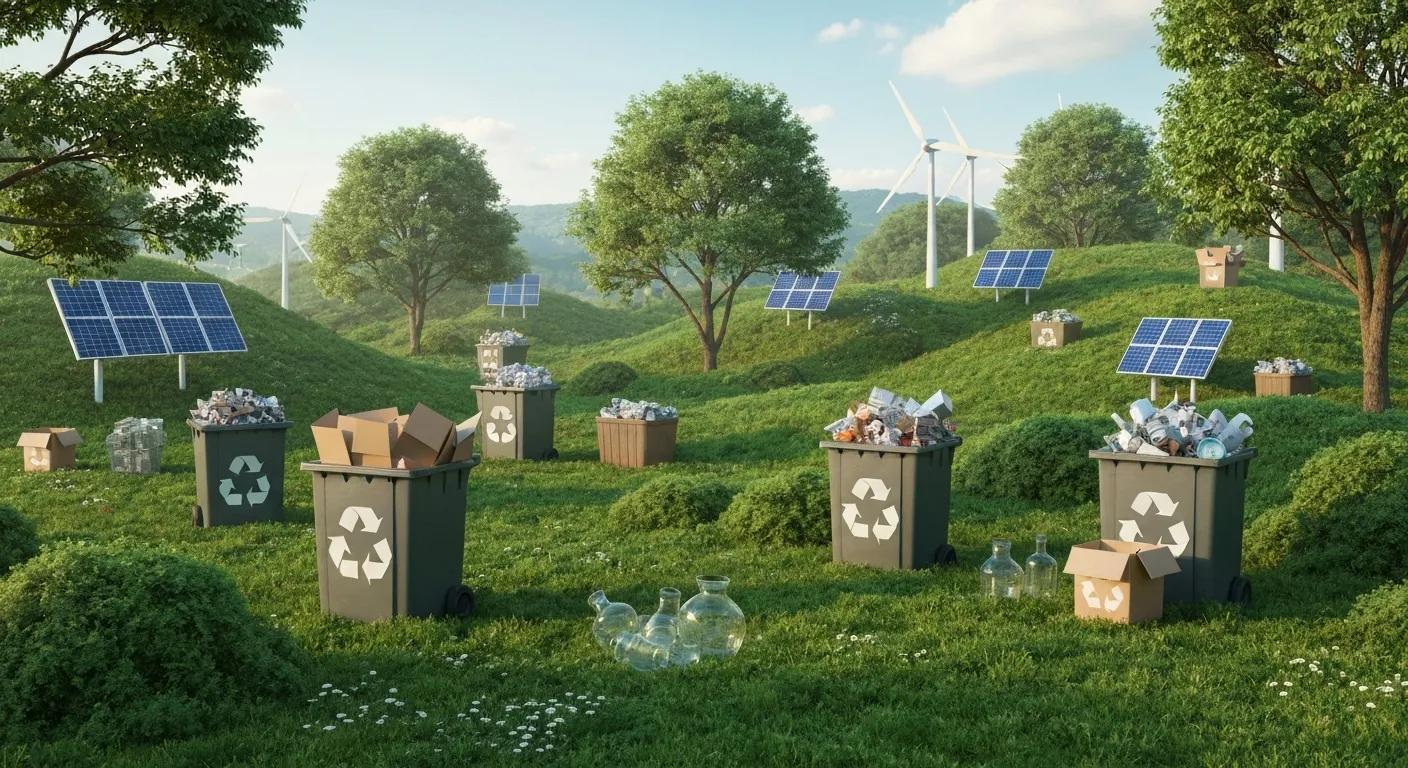
Scrap collection isn’t just good for the planet; it’s a powerhouse for reducing pollution, conserving energy, and building a robust circular economy by keeping materials in productive use instead of extraction. Key benefits include:
- Energy Conservation: Recycling aluminum uses a staggering 95% less energy than primary smelting.
- Emissions Reduction: Metal recycling slashes CO₂ emissions by up to 500 million tons annually.
- Landfill Diversion: Recovering scrap prevents millions of tons of waste from disposal sites, preserving valuable land.
Energy Savings in Aluminum Recycling
Recycling aluminum uses significantly less energy compared to producing it from raw materials. This energy efficiency is a key driver for the environmental and economic benefits of scrap collection, contributing to reduced emissions and lower costs for manufacturers.
This research supports the article’s claim about the energy-saving benefits of recycling aluminum.
These undeniable environmental gains drive demand for circular systems and justify strategic investments in efficient collection processes, which in turn require knowledgeable operators and forward-thinking regulators.
Which Businesses and Roles Are Involved in Scrap Collection?
A diverse set of stakeholders—from independent collectors to industrial recyclers and government agencies—collaborate to manage scrap materials, forming a complex yet vital ecosystem:
- Scrap Yards and Recycling Centers: The core hubs, handling material intake, sorting, and sales.
- Specialized Collectors: Focus on niche streams such as e-waste or demolition debris, requiring unique expertise.
- Environmental Agencies: Set crucial regulations and quality standards, ensuring responsible practices.
- Logistics Providers: The backbone of the operation, transporting scrap from generation points to processing facilities.
Mapping these roles clarifies responsibilities and highlights prime opportunities for digital marketing at each stage of the supply chain, setting the stage for an in-depth look at operational workflows.
Mastering the Flow: Inside the Scrap Collection Process
Scrap collection operates through a precise sequence of interlinked stages—collection, sorting, and processing—that transform discarded waste into reusable raw resources, driving both environmental and financial returns. This isn’t just a process; it’s an art of efficiency.
This workflow overview introduces the detailed stages that follow.
What Are the Key Stages: Collection, Sorting, and Processing?
A clear grasp of these stages informs optimized routing and pricing strategies that maximize yields and energy savings across the entire recycling ecosystem. This is where operational excellence meets profitability.
How Are Different Materials Like Copper and Aluminum Recycled?
Copper and aluminum follow distinct recycling paths that capitalize on their high value and exceptional recyclability, showcasing the precision required in the industry:
- Copper Scrap: After meticulous sorting, copper undergoes smelting and electrolysis to produce refined ingots, which are then used in high-demand applications like wiring and plumbing.
- Aluminum Scrap: Sorted aluminum is crushed, melted in furnaces at significantly lower temperatures than primary production, and cast into billets for extrusion into new products.
Understanding these metal-specific processes highlights cost structures and informs powerful content strategies for targeting high-value scrap buyers and sellers. This is about smart marketing, not just smart recycling.
What Role Do Demolition and E-Waste Play in Scrap Collection?
Demolition debris and electronic waste represent specialized, high-potential streams with unique challenges and immense material recovery potential:
- Demolition Waste: A complex mix of concrete, metals, and wood; valuable metals are meticulously extracted either on-site or at specialized recycling plants.
- Electronic Waste (E-Waste): A treasure trove of toxic components and valuable metals like gold and palladium, requiring safe disassembly and advanced metal recovery techniques to prevent environmental harm and maximize economic return.
Recognizing these niche streams guides strategic investment in appropriate infrastructure and targeted digital messaging to effectively reach stakeholders in the construction and IT sectors. This is about expanding your market reach.
Beyond Green: The Economic Powerhouse of Scrap Collection
Beyond its undeniable environmental gains, scrap collection generates substantial economic benefits through massive energy savings, robust job creation, and unwavering support for circular economy initiatives. This isn’t just a feel-good story; it’s a powerful economic engine.
This section quantifies those impacts, proving the tangible value of the industry.
How Does Recycling Reduce Energy Use and Emissions?
Recycling metal and plastic scrap doesn’t just “help”; it dramatically cuts energy consumption and greenhouse gas emissions, delivering measurable, impactful results:
- 95% energy savings for aluminum production.
- 90% energy savings for copper recovery.
- Up to 56% energy savings for steel recycling.
These efficiencies translate directly into measurable carbon reductions and significantly lower operating costs for manufacturing industries, reinforcing scrap collection’s undeniable economic rationale. This is about smart business and a healthier planet.
What Is the Market Size and Job Creation Potential in Scrap Collection?
The global waste management and recycling market is a colossal force, reaching USD 360.7 billion in 2023. Domestically, it supports over one million U.S. jobs annually and generates a staggering USD 236 billion in revenue. This isn’t a niche market; it’s a major economic driver.
Market Size and Job Creation in Waste Management
The waste management and recycling market is a substantial sector, generating significant revenue and supporting a large number of jobs in the United States. This economic impact underscores the importance of the industry and its potential for further growth.
This citation provides data on the market size and job creation potential within the waste management and recycling sector, as discussed in the article.
Growing demand for sustainable construction and e-waste solutions fuels further expansion, creating diverse roles for collectors, processors, and environmental consultants. The opportunity for growth is immense.
How Does Scrap Collection Support the Circular Economy Model?
Scrap collection isn’t just a component of the circular economy; it’s its very foundation, converting end-of-life materials into invaluable manufacturing feedstock:
- Resource Recovery: Recycled metals seamlessly re-enter production cycles, minimizing reliance on virgin resources.
- Waste Reduction: Closed-loop systems dramatically minimize new material extraction and landfill waste.
- Economic Resilience: A stable scrap supply mitigates commodity price volatility, building a more robust and predictable economy.
Benefits of Scrap Collection and Circular Economy
Scrap collection plays a crucial role in supporting the circular economy model by converting end-of-life materials into manufacturing feedstock. This process reduces waste and minimizes the need for new material extraction, promoting resource efficiency and economic resilience.
This citation reinforces the article’s discussion on how scrap collection aligns with circular economy principles.
Aligning your scrap operations with circular principles unlocks innovation, strengthens your brand’s sustainability narrative, and positions you as a leader in the future economy.
Dominate Digital: Supercharge Your Scrap Business Online

Effective digital strategies are no longer optional; they empower scrap yards and recycling centers to attract high-value commercial clients, outperform competitors, and showcase their environmental leadership. This is where your business truly stands out.
This section explores core SEO challenges and the powerful solutions that drive real results.
Cracking the Code: Overcoming SEO Hurdles in Scrap
Scrap businesses face unique SEO challenges, from intense local competition to managing diverse material streams and avoiding thin content traps:
- Local Visibility: Ranking for critical queries like “scrap yard near me” against major waste firms requires a hyper-focused strategy.
- Diverse Services: Marketing multiple material streams (e.g., copper, aluminum, e-waste) demands distinct, entity-rich pages and a sophisticated content architecture.
- Content Depth: Service-only pages simply won’t cut it. You need educational resources on recycling processes, market trends, and environmental impact to establish authority.
Addressing these challenges demands targeted keyword research, strategic structured data deployment, and a robust content hub strategy. This is about precision, not just presence.
Local SEO: Your Secret Weapon for Scrap Leads
Local SEO isn’t just a tactic; it’s a necessity. It leverages Google My Business optimization, consistent NAP data, and location-based citations to dramatically enhance your search visibility and capture nearby demand:
- Claim and Verify: Optimize your Google My Business profile with accurate addresses, service details, hours, and compelling photos.
- NAP Consistency: Ensure your Name, Address, Phone (NAP) data is perfectly consistent across all directories and citations. Inconsistencies kill local rankings.
- Customer Reviews: Actively solicit and manage customer reviews to build powerful social proof and significantly improve your local ranking signals.
A strong local presence drives more qualified calls, visits, and scrap drop-offs, laying the groundwork for broader, high-impact digital campaigns.
Content That Converts: Attracting High-Value Commercial Scrap Clients
B2B scrap collection marketing thrives on educational, authoritative, and entity-rich content that speaks directly to commercial clients’ needs:
- Publish In-Depth Guides: Create comprehensive resources on recycling processes for specific materials (e.g., “The Ultimate Guide to Industrial Copper Recycling”).
- Share Case Studies: Showcase tangible cost savings, efficiency gains, and environmental impact achieved for your commercial partners.
- Develop Comparison Charts: Provide clear, actionable comparisons for collection services, processing options, and material value.
Providing authoritative resources establishes deep trust with commercial clients and unequivocally positions your business as an industry leader. This is how you earn their business.
Unleash AI: Transform Your Scrap Collection Marketing
AI-driven SEO platforms aren’t just an advantage; they’re a game-changer. They optimize every phase—from keyword discovery to structured data implementation—delivering deeper insights and faster execution than traditional, manual methods. This is the future of scrap collection marketing.
This section introduces SearchAtlas’s unparalleled AI capabilities and how they can revolutionize your strategy.
AI-Powered Keyword Discovery: Unearthing Your Most Profitable Leads
SearchAtlas’s AI doesn’t just find keywords; it analyzes competitor strategies, search volumes, and semantic clusters to uncover lucrative, high-value keywords you’re missing, such as:
- commercial scrap pickup services
- industrial e-waste recycling solutions
- copper scrap near me
By intelligently mapping related entities and long-tail queries, AI accelerates your content planning and ensures comprehensive topic coverage, putting you ahead of the competition.
Automated Optimization: Crafting Content That Ranks
Our automated optimization engines review your content drafts for semantic relevance, entity usage, and readability, ensuring every piece is perfectly tuned for search engines and human readers:
- Identify Gaps: Pinpoint underutilized entities like ferrous metals or circular economy to enrich your content.
- Strategic Suggestions: Receive intelligent recommendations for heading adjustments, internal link opportunities, and content expansion.
- Generate Meta Data: Automatically generate compelling meta descriptions and title tags perfectly aligned with your target queries.
This continuous refinement maximizes your topical authority and dramatically boosts your chances for rich result inclusion, driving more clicks and conversions.
Structured Data: Your Fast Track to Search Dominance
Structured data markup isn’t just a technical detail; it’s a powerful signal to search engines. It clarifies your services and materials, significantly increasing your eligibility for rich snippets and enhanced visibility:
- RecyclingCenter Schema: Define your location, opening hours, and specific services for local search dominance.
- Service Schema: Clearly articulate offerings like “Scrap Metal Recycling Service” for targeted searches.
- Product Schema: Implement for high-value scrap materials like copper, providing context on grade and pricing.
Rich snippets featuring service details and reviews don’t just appear; they enhance click-through rates and build instant brand credibility right on the search results page.
Schema Secrets: The Structured Data Your Scrap Business Needs
Implementing the right schema types is non-negotiable. It helps search engines understand and display your scrap collection offerings effectively, giving you a critical edge in competitive search results.
Implementing Core Schema for Local Authority
Embed JSON-LD scripts that explicitly define your recycling center as a local business entity. This is foundational for local search performance:
Providing explicit business details enhances local search performance and significantly increases your eligibility for Google’s Knowledge Panel, putting your business front and center.
Service & Product Schema: Pinpointing Your Offerings
Tagging your services and products with precision clarifies your inventory and attracts highly targeted searches for specific scrap materials, ensuring you connect with the right buyers and sellers.
FAQ Schema: Answering Questions, Building Trust
FAQPage schema is a powerful tool for capturing valuable SERP real estate and building immediate trust:
- Define each question as a Question with a nested Answer.
- Mark up common queries like “How does scrap metal recycling work?” or “What types of e-waste do you accept?”
Users see instant answers directly under your listing, dramatically increasing engagement and establishing your authority before they even click through.
From Clicks to Clients: Converting Scrap Leads
Driving qualified leads is only half the battle. Converting that online traffic into paying clients requires strategic conversion tactics that guide prospects seamlessly from discovery to contract. This is where your marketing investment pays off.
This section outlines proven approaches to maximize your conversion rates.
Lead Generation Unleashed: Capturing High-Value Scrap Inquiries
Effective lead generation combines compelling offers, optimized forms, and prominent calls-to-action (CTAs) to capture interest and turn visitors into actionable inquiries:
- Dedicated Landing Pages: Create high-converting landing pages for your most valuable streams (e.g., commercial copper pickup, industrial aluminum recycling).
- Valuable Content Offers: Offer downloadable guides on recycling best practices, market trends, or compliance in exchange for contact details.
- Strong CTAs: Use clear, benefit-driven CTAs like “Request a Free Scrap Pickup Quote” or “Get a Custom Recycling Plan” prominently on all service pages.
Clear, optimized conversion paths are the key to transforming organic visits into high-quality leads.
Nurturing Success: Guiding Prospects to Conversion
Lead nurturing isn’t just about follow-up; it’s about building trust and demonstrating value through timely, personalized content that moves prospects closer to a decision:
- Automated Follow-Up: Send automated thank-you emails immediately after form submission, providing additional relevant resources.
- Segment & Personalize: Segment prospects by material type or service interest and tailor case studies, testimonials, and offers accordingly.
- Strategic Reminders: Schedule automated reminder messages for quote follow-up or to highlight new services.
Consistent, value-driven communication strengthens relationships and significantly accelerates deal closure, turning prospects into loyal clients.
Measuring What Matters: Tracking Your SEO ROI
To truly understand your SEO success, you need to track the right metrics. These aren’t just numbers; they’re indicators of growth and profitability:
Scrap collection combines critical environmental stewardship with significant business opportunity. By mastering material workflows and deploying advanced digital strategies—especially AI-powered SEO and structured data—recycling centers and scrap yards can elevate their online presence, attract high-value commercial clients, and drive sustainable growth. Explore how SearchAtlas’s AI SEO platform streamlines keyword insights, content optimization, and schema implementation to propel your scrap collection marketing to the top of search results. Request a demo today and transform your scrap business into an industry leader.