

Top Factors That Influence the Total Cost of Your Roofing Project Explained
Knowing what drives the cost of a roofing project helps homeowners plan and avoid surprises. Key drivers include material choice, labor, project size and complexity, and permit or disposal fees. This guide summarizes those factors and offers practical tips for budgeting.
How Do Roofing Material Costs Affect Your Project Budget?
Material costs are a major driver of total price. Replacement averages in the U.S. commonly fall in the mid-thousands, and regional market conditions, material type, and availability will shift those numbers. Compare options to balance upfront expense and long‑term value.
What Are the Most Common Roofing Materials and Their Price Ranges?
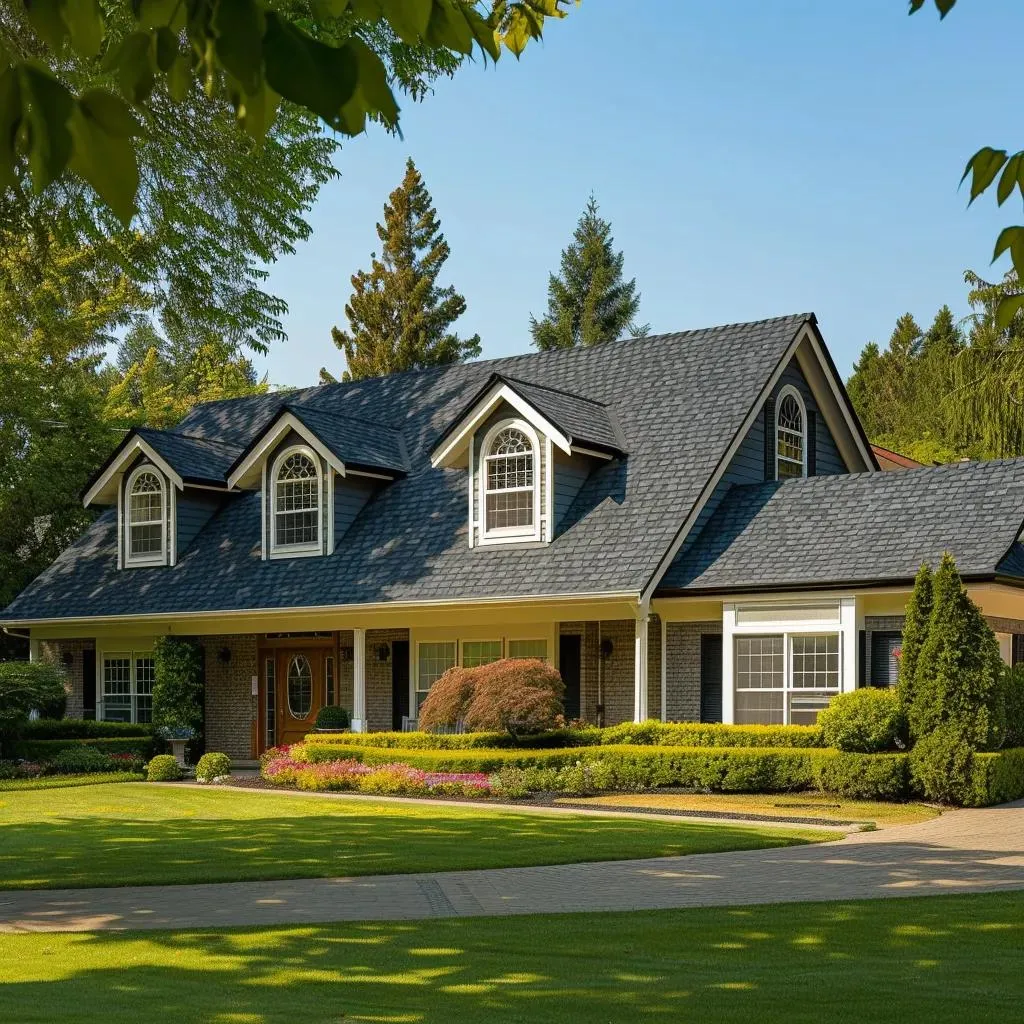
Common materials vary widely in price and lifespan; use the table below to compare typical ranges and longevity when selecting a roof.
| Material | Price Range | Lifespan |
|---|---|---|
| Asphalt Shingle | $90 – $100 per square (3-tab) | 20–30 years |
| Standing Seam Metal | $9.00 – $14.00 per square foot | 40–70 years |
| Clay or Concrete Tile | $10.00 – $20.00 per square foot | 50–100 years |
How Do Material Choices Impact Long-Term Roofing Expenses?
Beyond installation cost, materials influence maintenance, energy performance, and resale value. Higher‑quality or more durable options can reduce lifecycle expenses even if initial costs are higher.
Consider maintenance needs and local climate when weighing long‑term value.
Residential Roofing: Life Cycle Cost & Design Impact
This paper describes life cycle assessment (LCA) and life cycle cost (LCC) analysis for typical Australian houses. It reports how different roofing (ie roof and ceiling) and floor designs
Life cycle assessment and life cycle cost implications for roofing and floor designs in residential buildings, M Jollands, 2015
What Role Does Roof Installation Labor Pricing Play in Total Costs?

Labor often makes up the largest portion of a roofing bill. Typical labor rates vary by region and job complexity; itemized bids help you compare labor versus materials.
How Are Labor Prices Calculated for Roofing Projects?
Labor estimates reflect crew experience, job complexity, access and safety needs, and local market rates. Ask contractors for line‑item proposals so you understand each charge.
What Factors Cause Variations in Roofing Labor Costs?
Several common factors drive labor cost differences:
- Location and Climate Effects : Local wages and weather-driven scheduling can change labor rates.
- Roof Size and Complexity : Larger or more intricate roofs require more time and skilled labor.
- Material Selection Impact : Some materials need specialized installation, which raises labor costs.
Knowing these variables helps you compare bids and set realistic expectations.
Roof Design, Material & Labor Cost Analysis
This study provides a cost assessment of various roof designs, taking into account the current price of wood in Benin City, Edo State, Nigeria. The analysis specifically examines the costs related to building Hip, Flat, Gable 1, and Gable 2 roofs, with a particular emphasis on the crucial role of wood in forming the trusses. The cost breakdown highlights different financial considerations for each type of roof, with Gable 2 being the most expensive, followed by Gable 1, Hip, and Flat roofs. The costs presented do not include labour costs and the selection of roof sheet materials, which are essential elements of construction projects.
Roofing economics: Analysing the impact of design and materials on construction costs, DJ IDIATA, 2023
How Does the Size of Your Roofing Project Influence Overall Expenses?
Project size directly affects materials and labor. Steeper pitches, multiple levels, and complex rooflines increase time and safety requirements, raising cost.
Accurate measurements reduce surprises and ensure more precise estimates.
Why Does Roof Project Size Affect Material and Labor Costs?
Larger surface area needs more shingles, underlayment, and accessories; steep or intricate roofs increase installation time and safety measures.
How to Accurately Measure Your Roof Size for Cost Estimation?
Accurate measurements mean tighter estimates. Common steps include:
- Use a Measuring Tape : Measure the length and width of each roof section.
- Consider Unique Roof Shapes : Account for dormers, valleys, and other features.
- Check Local Codes : Follow any jurisdictional measurement rules.
These simple checks help avoid under‑ or over‑ordering materials.
What Are Roofing Permit Fees and How Do They Impact Your Budget?
Permit fees and disposal can add to the total cost; permits commonly range from modest to several hundred dollars, and tear‑off disposal adds per‑square‑foot charges in many areas.
When Are Roofing Permits Required and What Do They Cost?
Permits are typically required for major replacements or structural work. Costs vary by jurisdiction, so check local building departments before hiring.
How Do Permit Fees Vary by Location and Project Type?
Permit fee differences reflect jurisdiction rules, project complexity, and local market conditions; plan for those variations when budgeting.
Permitting Impact on Residential Project Costs
We find that variations in local permitting procedures can lead to differences in PV prices of approximately $0.18/W between the jurisdictions with the least-favorable and most-favorable permitting environments.
Exploring the impact of permitting and local regulatory processes on residential solar prices in the United States, J Burkhardt, 2015
For contractor recommendations and project planning resources, consider visiting The Brothers Bloom .
Frequently Asked Questions
What should I consider when choosing roofing materials?
Balance durability, cost, and climate suitability. Check lifespans, maintenance needs, and any local code restrictions before deciding.
How can I find a reliable roofing contractor?
Get referrals, read reviews, verify license and insurance, request references, and compare multiple detailed quotes.
What are the signs that my roof needs to be replaced?
Look for missing or damaged shingles, sagging, interior water stains, heavy granule loss, or a roof near the end of its expected lifespan.
How can I budget for unexpected roofing expenses?
Set a contingency (commonly 10–20% of the budget), obtain detailed estimates, and maintain regular inspections to catch issues early.
What is the typical lifespan of different roofing materials?
Lifespans vary: asphalt shingles ~20–30 years, metal 40–70 years, and clay or concrete tiles often 50+ years; factor replacement frequency into your budget.
Are there any energy-efficient roofing options available?
Yes — reflective (cool) roofs, coated metal, and green roofs can improve energy performance; check energy ratings when comparing materials.
Conclusion
Understanding material, labor, size, and permit impacts lets homeowners plan realistic roofing budgets and choose solutions that match long‑term goals. Use clear, itemized bids and local guidance to finalize a cost‑effective plan.
Author: Calvin Graham
Editorial Assistant View all posts by Calvin Graham