

Brake maintenance is often overlooked, yet it plays a crucial role in vehicle safety. Did you know that improper brake care can lead to brake fade, compromising your ability to stop effectively? This guide will cover the essential components of the brake system, provide a step-by-step inspection process, and outline basic maintenance tasks to enhance the longevity of your brakes. By understanding these key points, readers will learn how to maintain their brake pads and manage pressure effectively, ensuring a safer driving experience. Engaging with this content will help address common concerns and improve overall vehicle performance.
Understanding the Importance of Brake Maintenance for Vehicle Safety
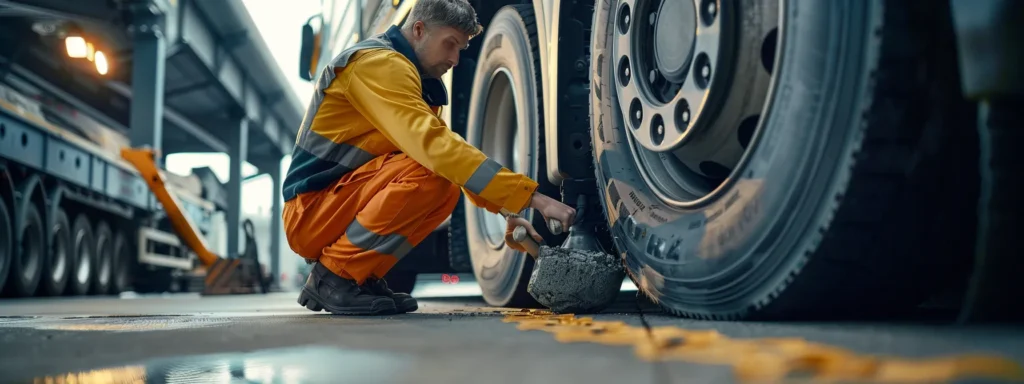
Brake systems play a crucial role in preventing accidents by providing the necessary force to stop a vehicle safely. Recognizing signs that brakes need attention, such as unusual noise or decreased responsiveness, is vital for maintaining safety. Neglecting brake maintenance can lead to serious risks, especially for commercial vehicles. This section will explore these topics in detail, emphasizing the importance of regular vehicle inspections and understanding warranty implications.
How Brake Systems Prevent Accidents
Brake systems are essential for the safe operation of any motor vehicle, as they provide the necessary force to stop effectively. Regular inspections of brake components, including brake fluid levels, are crucial for identifying potential issues before they escalate. When brakes receive proper attention, drivers can significantly reduce the risk of accidents, ensuring a safer driving experience for everyone on the road.
Signs Your Brakes Need Attention
Recognizing the signs that brakes need attention is essential for maintaining vehicle safety. Common indicators include unusual noises, such as grinding or squeaking, which often signal wear on brake pads or other components. Additionally, a decrease in responsiveness when pressing the brake pedal can indicate a potential failure, posing a significant hazard and increasing the risk of accidents. Regular inspections, as recommended by the Commercial Vehicle Safety Alliance, can help identify these issues early, ensuring that drivers remain safe on the road.
Risks Associated With Neglected Brakes
Neglecting brake maintenance can lead to significant risks that compromise vehicle safety. Over time, wear and tear on components such as disc brakes can diminish their stopping power, making it harder for drivers to halt their vehicles effectively. This reduction in braking efficiency not only increases the likelihood of accidents but also poses a danger to other road users, highlighting the critical need for regular inspections and timely repairs to ensure optimal brake performance.
Components of the Brake System You Need to Know
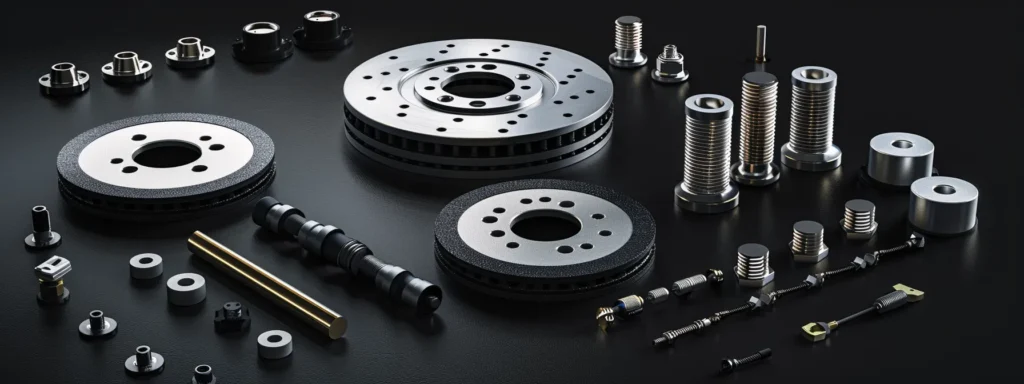
Understanding the components of the brake system is essential for effective maintenance and enhanced vehicle safety. This section will cover the functions of brake pads, the role of brake rotors and drums, the importance of brake fluid, and the significance of brake lines and hoses. Each element plays a critical part in ensuring optimal braking performance, reducing vibration, and complying with standards set by the Federal Motor Carrier Safety Administration.
Brake Pads and Their Functions
Brake pads are critical components of a vehicle‘s braking system, designed to create friction against the brake rotors to slow down or stop the vehicle effectively. When the brake pedal is pressed, hydraulic pressure forces the brake pads against the rotors, generating the necessary friction to halt the vehicle‘s motion. Regular inspection of brake pads is essential, as worn pads can lead to decreased braking efficiency and potential leaks in the brake system, which may compromise safety and performance. Ensuring that brake pads are in good condition not only enhances vehicle safety but also contributes to the overall functionality of the engine and other related systems.
The Role of Brake Rotors and Drums
Brake rotors and drums are vital components of a vehicle’s braking system, playing a crucial role in stopping power. In disc brake systems, rotors work by providing a surface for the brake pads to clamp down on, creating friction that slows the vehicle. Conversely, drum brakes utilize a cylindrical drum that houses brake shoes, which expand against the drum’s inner surface to generate stopping force. Regular maintenance of these components is essential, as worn or damaged rotors and drums can lead to decreased braking efficiency and increased stopping distances, underscoring the importance of services offered by professionals like shyam automobiles for optimal vehicle safety.
Importance of Brake Fluid
Brake fluid is a critical component of the braking system, as it transmits the force from the brake pedal to the brake components, enabling effective stopping power. Regular checks of brake fluid levels and quality are essential, as contaminated or low fluid can lead to brake failure, significantly increasing the risk of accidents. Maintaining proper brake fluid ensures that the braking system operates efficiently, providing drivers with the confidence needed for safe vehicle operation.
Understanding Brake Lines and Hoses
Brake lines and hoses are essential components of a vehicle‘s braking system, responsible for transporting brake fluid from the master cylinder to the brake calipers or wheel cylinders. These lines must be in good condition to ensure that hydraulic pressure is effectively transmitted, allowing for reliable braking performance. Regular inspections for signs of wear, such as cracks or leaks, are crucial, as compromised brake lines can lead to brake failure, significantly increasing the risk of accidents and endangering vehicle safety.
Step-by-Step Guide to Inspecting Your Brakes
Step-by-Step Guide to Inspecting Your Brakes
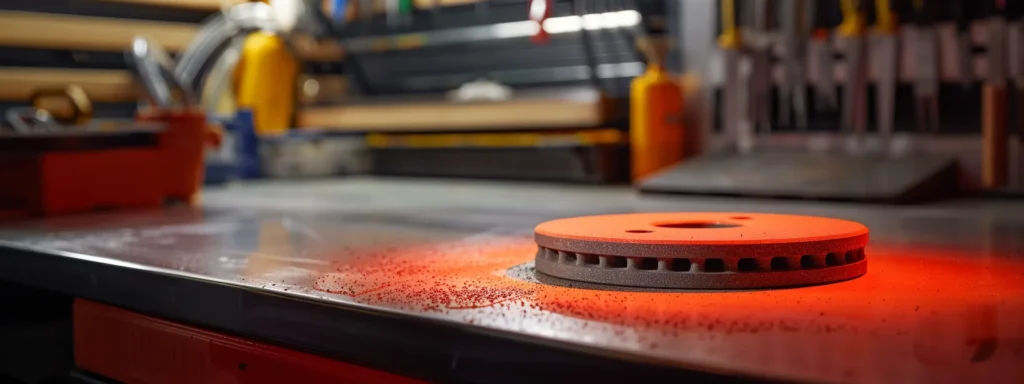
Effective brake maintenance begins with a thorough inspection. This guide covers essential techniques such as visual inspection methods to identify wear, measuring brake pad thickness to assess their condition, detecting brake fluid leaks that could compromise safety, and listening for warning sounds that indicate potential issues. Each of these steps is vital for ensuring optimal braking performance and vehicle safety.
Visual Inspection Techniques
Visual inspection techniques are essential for identifying potential brake issues before they escalate into serious problems. Vehicle owners should regularly check for signs of wear on brake pads, such as uneven surfaces or excessive thinning, which can indicate the need for replacement. Additionally, examining brake rotors for grooves or discoloration can help assess their condition, ensuring that the braking system remains effective and safe for driving.
Measuring Brake Pad Wear
Measuring brake pad wear is a critical aspect of brake maintenance that directly impacts vehicle safety. Vehicle owners should regularly check the thickness of the brake pads, as most manufacturers recommend replacing them when they reach about 3 millimeters. Using a simple ruler or a brake pad gauge can help determine if the pads are still within safe limits, ensuring that the braking system functions effectively and reduces the risk of accidents.
Detecting Brake Fluid Leaks
Detecting brake fluid leaks is a critical aspect of brake maintenance that can significantly impact vehicle safety. Vehicle owners should regularly inspect the area around the brake lines and master cylinder for any signs of fluid accumulation, which may indicate a leak. If a leak is suspected, it is essential to address it immediately, as low brake fluid levels can lead to brake failure, increasing the risk of accidents on the road.
Listening for Warning Sounds
Listening for warning sounds is a critical aspect of brake maintenance that can alert vehicle owners to potential issues. Unusual noises, such as squeaking or grinding, often indicate that brake pads are worn and may need replacement. By paying attention to these sounds, drivers can take proactive measures to address brake problems before they escalate, ensuring enhanced vehicle safety and performance on the road.
How to Perform Basic Brake Maintenance Safely
How to Perform Basic Brake Maintenance Safely
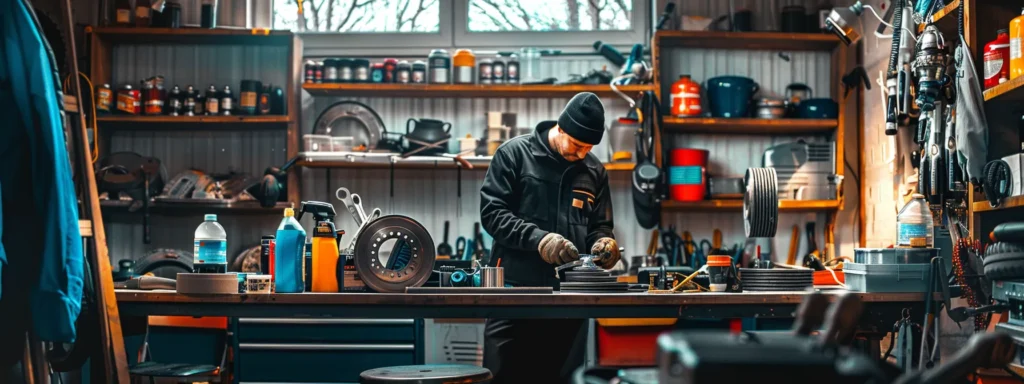
Replacing worn brake pads, checking and topping off brake fluid, bleeding the brake lines, and lubricating brake components are essential tasks for maintaining vehicle safety. Each of these procedures plays a vital role in ensuring optimal braking performance. This section will provide practical insights into these maintenance tasks, helping vehicle owners enhance their braking systems effectively.
Replacing Worn Brake Pads
Replacing worn brake pads is a critical maintenance task that directly impacts vehicle safety. When brake pads become too thin, they can lead to decreased stopping power and increased wear on other brake components. Vehicle owners should regularly check the thickness of their brake pads and replace them when they reach the manufacturer’s recommended limit, typically around 3 millimeters, to ensure optimal braking performance and enhance overall safety on the road.
Checking and Topping Off Brake Fluid
Checking and topping off brake fluid is a vital aspect of brake maintenance that ensures the braking system operates effectively. Vehicle owners should regularly inspect the brake fluid reservoir, which is typically located near the back of the engine bay, to confirm that the fluid level is within the recommended range. If the fluid appears low, adding the appropriate type of brake fluid can help maintain hydraulic pressure, preventing potential brake failure and enhancing overall vehicle safety.
Bleeding the Brake Lines
Bleeding the brake lines is a crucial maintenance task that ensures the braking system functions effectively by removing air bubbles trapped in the brake fluid. Air in the brake lines can lead to a spongy brake pedal feel and reduced stopping power, which compromises vehicle safety. To bleed the brakes, a vehicle owner should follow a systematic approach, typically starting from the wheel farthest from the master cylinder, ensuring that the brake fluid flows freely and maintains optimal hydraulic pressure for reliable braking performance.
Lubricating Brake Components
Lubricating brake components is a vital step in maintaining optimal braking performance and ensuring vehicle safety. Proper lubrication reduces friction between moving parts, such as calipers and brake pads, which can prevent premature wear and enhance the overall efficiency of the braking system. Vehicle owners should use high-quality brake grease on the contact points and follow manufacturer guidelines to ensure that all components operate smoothly, ultimately contributing to a safer driving experience.
When to Consult a Professional Mechanic
Recognizing complex brake issues is essential for maintaining vehicle safety. Understanding brake system diagnostics can help identify problems that may not be apparent during routine checks. Selecting a qualified brake service provider ensures that any necessary repairs are performed correctly, enhancing overall braking performance. This section will delve into these critical topics, providing practical insights for vehicle owners.
Recognizing Complex Brake Issues
Recognizing complex brake issues is essential for maintaining vehicle safety and performance. Symptoms such as a spongy brake pedal, inconsistent braking response, or warning lights on the dashboard may indicate underlying problems that require professional attention. Vehicle owners should not hesitate to consult a qualified mechanic when these signs appear, as timely intervention can prevent further damage and ensure the braking system operates effectively.
Understanding Brake System Diagnostics
Understanding brake system diagnostics is essential for vehicle owners who want to ensure their safety on the road. When warning lights illuminate on the dashboard or when drivers experience unusual braking behavior, it is crucial to seek professional help. A qualified mechanic can perform comprehensive diagnostics to identify underlying issues, such as air in the brake lines or worn components, ensuring that the braking system functions optimally and reducing the risk of accidents.
Selecting a Qualified Brake Service Provider
Selecting a qualified brake service provider is essential for ensuring optimal vehicle safety and performance. Vehicle owners should look for certified mechanics with experience in brake systems, as they possess the necessary skills to diagnose and repair complex issues effectively. Additionally, reading customer reviews and seeking recommendations can help identify reputable service providers who prioritize quality and reliability in their brake maintenance services.
Tips for Maintaining Brakes for Enhanced Safety

Establishing a regular maintenance schedule is essential for ensuring optimal brake performance and vehicle safety. Adapting driving habits can significantly reduce wear on brake components, prolonging their lifespan. Additionally, monitoring brake performance over time allows vehicle owners to identify potential issues early. This section will provide practical insights into these key areas, enhancing overall braking efficiency and safety.
Establishing a Regular Maintenance Schedule
Establishing a regular maintenance schedule for brakes is essential for ensuring vehicle safety and performance. Vehicle owners should consider setting reminders for inspections every six months or after a specific mileage, as this proactive approach helps identify potential issues before they escalate. By adhering to a consistent maintenance routine, drivers can enhance braking efficiency, reduce the risk of accidents, and ultimately prolong the lifespan of their brake components.
Adapting Driving Habits to Reduce Wear
Adapting driving habits can significantly reduce wear on brake components, enhancing overall vehicle safety. For instance, smooth acceleration and gradual braking can minimize the stress placed on brakes, leading to longer-lasting performance. Additionally, maintaining a safe following distance allows drivers to react calmly to traffic changes, further decreasing the need for sudden stops that can wear down brake pads and rotors more quickly.
Monitoring Brake Performance Over Time
Monitoring brake performance over time is essential for ensuring vehicle safety and reliability. Vehicle owners should pay attention to any changes in braking behavior, such as increased stopping distances or unusual sounds, as these can indicate underlying issues. Regularly assessing brake responsiveness and conducting visual inspections can help identify potential problems early, allowing for timely maintenance and reducing the risk of accidents on the road.
Conclusion
Maintaining brakes is essential for ensuring vehicle safety and preventing accidents. Regular inspections, timely repairs, and understanding the components of the brake system empower vehicle owners to address potential issues before they escalate. By adopting proactive maintenance practices and adapting driving habits, drivers can significantly enhance braking performance and prolong the lifespan of their brake components. Prioritizing brake maintenance not only protects the driver but also contributes to the safety of all road users.