
3 Tips for Dealing With the Property Market

Real estate is a fantastic space for investors to gain major ground within their portfolios. For those new to the space, the real estate market is fast-moving and offers unique gains that can’t be found in any other commodity trading space. The foundation of the property market is based on a powerful premise: Investors can utilize the total financial value of the asset while only investing 20 percent or less of the required capital. The leverage that real estate investors can lean on makes this trading commodity a highly lucrative investment opportunity. Long-term investors have been relying on the profits from the real estate space as a primary means of wealth generation for years as a result.

For those thinking of getting into the market, these three tips can help you launch a successful first deal that will set you up for continuing profits for many years to come.

1. Don’t skimp on the background research.

img

Investors in this space know that experience and research will combine to provide the best possible footing for any new investment opportunity. Professional investors like David Lindahl have been building a knowledge base within this marketplace for many years and can leverage it to great effect. Most importantly, David Lindahl and others know that real estate is a constantly moving target. Therefore your understanding of how profits can be derived must be continuously evaluated and honed to maximum effect. David Lindahl is a mentor and author who specializes in multifamily properties, office buildings, and other commercial real estate opportunities. He has developed a series of audiobooks and print materials, David Lindahl and RE Mentor seminars, and boot camps for other like-minded investors to learn the ropes of the real estate market more thoroughly.

Make sure you build a comprehensive knowledge of how real estate works and the types of opportunities that will fit best within your portfolio. With the help of David Lindahl’s example, finding this knowledge is simple.

2. Don’t forget about the value of location.

img

Location is a highly prized commodity in the real estate market. This is because the location of any commercial property or residential home that you may be thinking of investing in can’t be changed. Unlike the other assets in your portfolio, the physical location of real estate holdings matters greatly in the valuation of the assets themselves.

Investing in Staten Island commercial properties, for instance, will see you poring over data on traffic, transportation routes, and much more. The value of a commercial property lies in the ability of a business that may end up renting the space from you remaining in the market itself. If a tenant can’t continue trading, they won’t pay you any rent. Location plays a central role in this cycle, and it can help drive competition for new tenants if your current renter decides to move on to another space. A well-trafficked area is a highly sought after commodity for a business looking to make a splash.

3. Remember to prioritize cash flow for the greatest level of stability.

img

Cash flow is critical when approaching any new real estate investment opportunity. Many property investors will utilize their assets to develop long-running dividend income in the form of rental payments. With this approach, it’s essential to remember that you will need to maintain enough income to pay the mortgages on these properties while setting aside capital to manage the ongoing financial burden that any property you own may present. Repairing the roof, handling a leak, or replacing the air conditioning unit will all fall to you as the owner. Make sure you create an overflow pool of cash to handle these spending necessities when they arise without wreaking your cash flow balance.

Use these three great tips to ensure that your real estate investments are always lucrative.

3 Ways To Master the Real Estate Market

There is no one-size-fits-all answer when it comes to mastering the real estate market, as the strategies that work for one investor may not work for another. However, by doing your homework and exploring various options, you can develop a plan that works for you and gives you an edge over the competition.

1. Educate yourself.

img

There is no one-size-fits-all answer to succeeding in real estate. However, by educating yourself and taking a well-rounded approach, you can give yourself the best chance to master the market. Here are three ways to do just that:

Learn about the different types of real estate investments. A real estate lawyer or real property law firm can help you learn about other business and investment opportunities and how to proceed correctly. There are a variety of real estate investments and real estate transactions available, each with its risks and rewards. Therefore, it’s essential to do your research and understand the ins and outs of each type before deciding which is suitable for you. Some of the most common types of investments include:

– Residential properties: These are properties that are typically used for housing, such as single-family homes, townhouses, and apartments. These may involve brokers, lenders, buyers, and sellers.
– Commercial properties: These are properties used for businesses, such as office buildings, retail stores, and warehouses. These are high-value real estate transactions.
– Industrial properties: These are properties used for manufacturing or production, such as factories and mills.
– Land use: Land can be used for various purposes, such as residential, commercial, or industrial development. Zoning, legal services, and land use clauses can impact real estate development.

Learn about the real estate market. It’s essential to have a basic understanding of real estate before investing. This includes understanding the different types of markets (e.g., buyer’s market, seller’s market, etc.), as well as the current market conditions. You can get this information from various sources, such as real estate agents, market analysts, and news outlets.

Learn about real estate investment strategies. There are a variety of real estate investment strategies, each with its risks and rewards. It’s essential to research and understand the different methods before deciding which is suitable for you. Some of the most common ways include:

– Buy and hold: This strategy involves buying real estate and holding onto it for the long term.
– Short-term rentals: This strategy involves renting out real estate for a short period, typically less than a year. This can be a good idea to turn profits.
– Fix and flip: This strategy involves buying a property that needs repair, fixing it up, and then selling it for a profit.
– Wholesaling: This strategy involves finding a property for sale below market value, negotiating a deal with the seller, and then reselling the property to another investor.

2. Research the market.

There are three main ways to research the real estate market: analyzing past data, studying market trends, and gauging public opinion. Each of these approaches has its strengths and weaknesses, and no one method is perfect. However, by combining different research techniques, you can get a well-rounded understanding of the market and make informed decisions about your investments. Real estate developers and commercial real estate options can vary so it’s critical that you work in your best interest.

Analyzing past data is the most traditional way to research the real estate market. This approach involves studying sales prices and trends over time to identify patterns and trends. However, while past data can give you a general idea of the market, it can’t tell you how it will change in the future.

3. Learn about real estate syndication.

img

What is real estate syndication? Real estate syndication is pooling money together from a group of investors to purchase a property. The property is then managed by a professional property management company that oversees the property’s day-to-day operations. The investors in the syndication receive a portion of the rental income generated by the property and a share of the profits (or losses) when the property is sold.

With these helpful tips, you can begin to master the real estate market and make more innovative investments for your success.

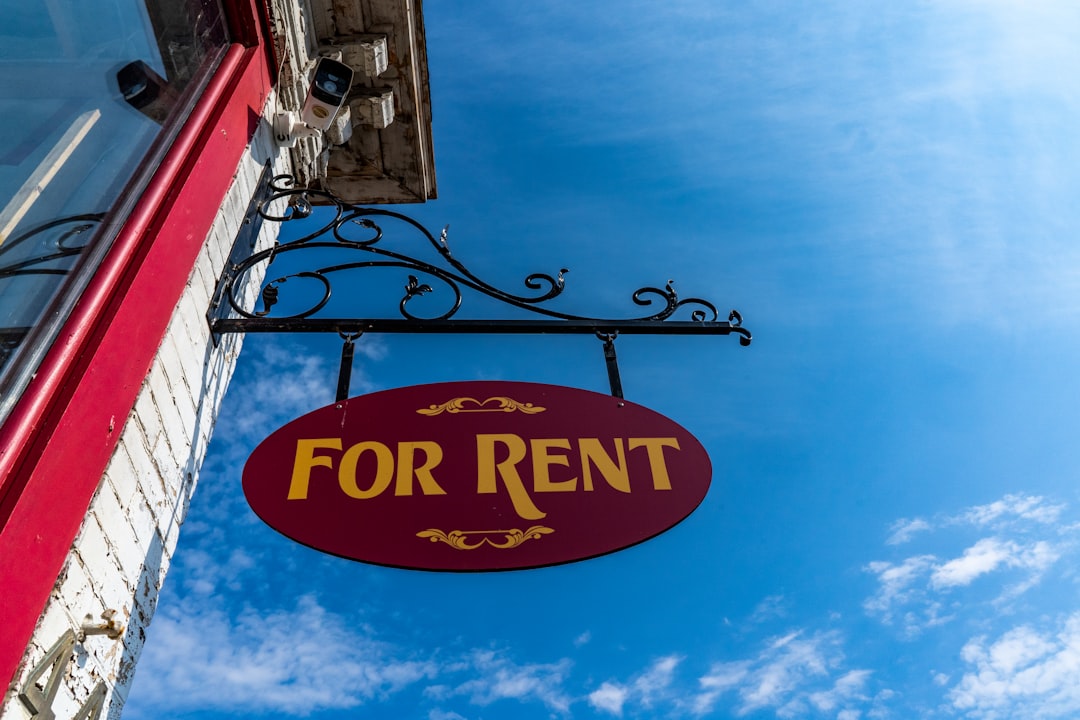
Preparing Your Rental Property: Tips for Landlords

Landlords have a lot of responsibilities when it comes to their properties. Preparing a property is important for both landlords and renters. Not only do they need to make sure the property is habitable and up to code, but they also need to make sure their renters are taken care of. Here are a few tips for landlords when it comes to preparing their rentals.

Make sure the property is up to code.

img

This is especially important if you’re planning on renting out the property. You don’t want to be faced with fines or repairs down the road, so make sure everything is in order before you start renting. Check the exterior of your property for needed repairs such as peeling paint, a cracked foundation, or a leaking roof. Make sure all of your windows and doors open and close properly. Inspect the interior of your property for any needed repairs such as water damage, a faulty furnace, or a leaking roof. Update your property’s kitchen and bathroom fixtures if they are outdated or in poor condition. Replace any damaged or worn-out flooring. Paint the walls and ceilings in a neutral color.

Update or renovate the property.

If your property is outdated, you may want to consider making some updates. This could include installing new appliances, updating the plumbing or electrical systems, or even adding new fixtures. Keep in mind that some updates may increase the value of your property. That’s why a bathroom remodeling project may be a great idea. If you’re looking for bathroom remodeling in Dallas, Zintex Remodeling Group has years of experience with the design and renovation process.

Screen your renters and suggest insurance.

img

It’s important to screen your tenants to make sure you’re getting the right people for the property. Ask for references and check their credit score to make sure they’re good candidates. Renter’s insurance is also essential for landlords and renters. It will protect the property in the event of a fire, theft, or other disasters. It’s important that both parties have access to renters insurance.

Ensure the property is clean and keep up with maintenance.

It’s also important to conduct a thorough inspection of the property before the renter moves in. This will help identify any potential problems that need to be fixed before the new residents move in. This includes doing a final walk-through and making any necessary repairs. You want your renters to move in and feel at home as soon as possible. It’s important to keep up with regular maintenance on the property, especially if it’s an older property. This will help avoid expensive repairs down the road.

Make sure to clean all the surfaces on the property, including the floors, walls, and ceilings. Pay special attention to the bathrooms and kitchen, as these are the areas that are most likely to get dirty. If you have time, consider deep-cleaning the carpets and furniture as well.

Offer a lease agreement and collect rent on time.

A lease agreement is a must-have. It will protect both you and your renters and will help avoid any potential disputes. The agreement outlines the resident’s responsibilities and the landlord’s expectations. This will help avoid any misunderstandings or disputes down the road. Another thing that’s crucial is for you to collect rent on time. This will help you avoid any late fees or missed payments.

Respond to complaints quickly.

img

If a renter has a complaint, you need to address it as quickly as possible. This will help maintain a good relationship with those who lease your property and will avoid any potential legal issues. If there are any damages or repairs needed for the property, make sure to repair them immediately. This may include fixing broken windows, patching up holes in the walls, and replacing damaged flooring.

With these tips, you should have new residents in no time!

A Brief Guide to Lakewood Ranch Real Estate

A lot of people are considering investing in the housing market right now in the Sarasota area, and Lakewood Ranch has some of the hottest real estate properties on the market. Given its convenient location, temperate weather, and aesthetic appeal, it’s no surprise that it’s a popular spot for buyers. However, anyone looking for a new home in the Lakewood Ranch area should think about using a broker with some experience. If you’re considering purchasing a home, keep reading for a brief guide to Lakewood Ranch’s real estate market.

What should you know about real estate in Lakewood Ranch?

img

The planned community at Lakewood Ranch has been around for over 25 years, and it looks likely to continue thriving for a long time to come. It has blossomed into a beautiful self-contained city with plenty of amenities for residents to enjoy. There are already over 43,000 residents, and with tens of thousands of homes under construction right now, population growth seems like a smart bet in the coming years. If you’re looking for a place to live in the Sarasota area, you should consider Lakewood Ranch.

Given how competitive the market can be for Lakewood Ranch real estate, it’s a good idea to work with a qualified real estate professional who has extensive experience in the area. It was named the best-selling multigenerational community in the United States and came in second place overall, making it one of the top-selling planned communities in the country. Homebuyers who want a peaceful place to live with their family, with a wide variety of entertainment options, will definitely feel at home moving to Lakewood Ranch.

When it comes to home prices in Lakewood Ranch, the average price of single-family homes in the area is estimated to be just under $600,000, though prices can vary depending on the location and property. Your realtor can help you set a realistic budget for the type of home you’re looking for and find relevant listings of Lakewood Ranch homes that you should consider. That way, you can give yourself the best possible chance of getting a good deal on a new home in the Lakewood Ranch area.

What is the housing market like right now?

img

You’ve probably heard that the housing market has been chaotic over the last year or so and that now is a challenging time to buy or sell a home. The truth is that you don’t need to avoid perusing the market; you just need a real estate agent with the right skills to get you the best deal. Experts and real estate analysts believe that home prices will continue to rise for the foreseeable future, so you may want to consider taking advantage of it if you find a buying opportunity in a top-tier community like Lakewood Ranch.

Though things are slowly beginning to shift, the younger generation hasn’t been able to make the transition to homeownership as easily as others have. This is due to a confluence of factors, including the impact of the market crash in 2008. If you’re not sure whether or not you’re in a position to purchase a home, talk to your real estate agent about what type of liquidity is required to afford a specific property.

There’s a lot to love about Lakewood Ranch, especially if you’re looking for a place to raise a family. In just a quarter-century, it has become one of the most successful and vibrant planned communities in the U.S., and it’s still expanding at an impressive pace. If you want to become the newest resident in Lakewood Ranch, take the time to reach out to a qualified broker with experience in the market. They can help you find listings that meet all of your needs and fit within your budget, as well as help you navigate the homebuying process.

Can Lending Loco Tell Me More About Mortgages?

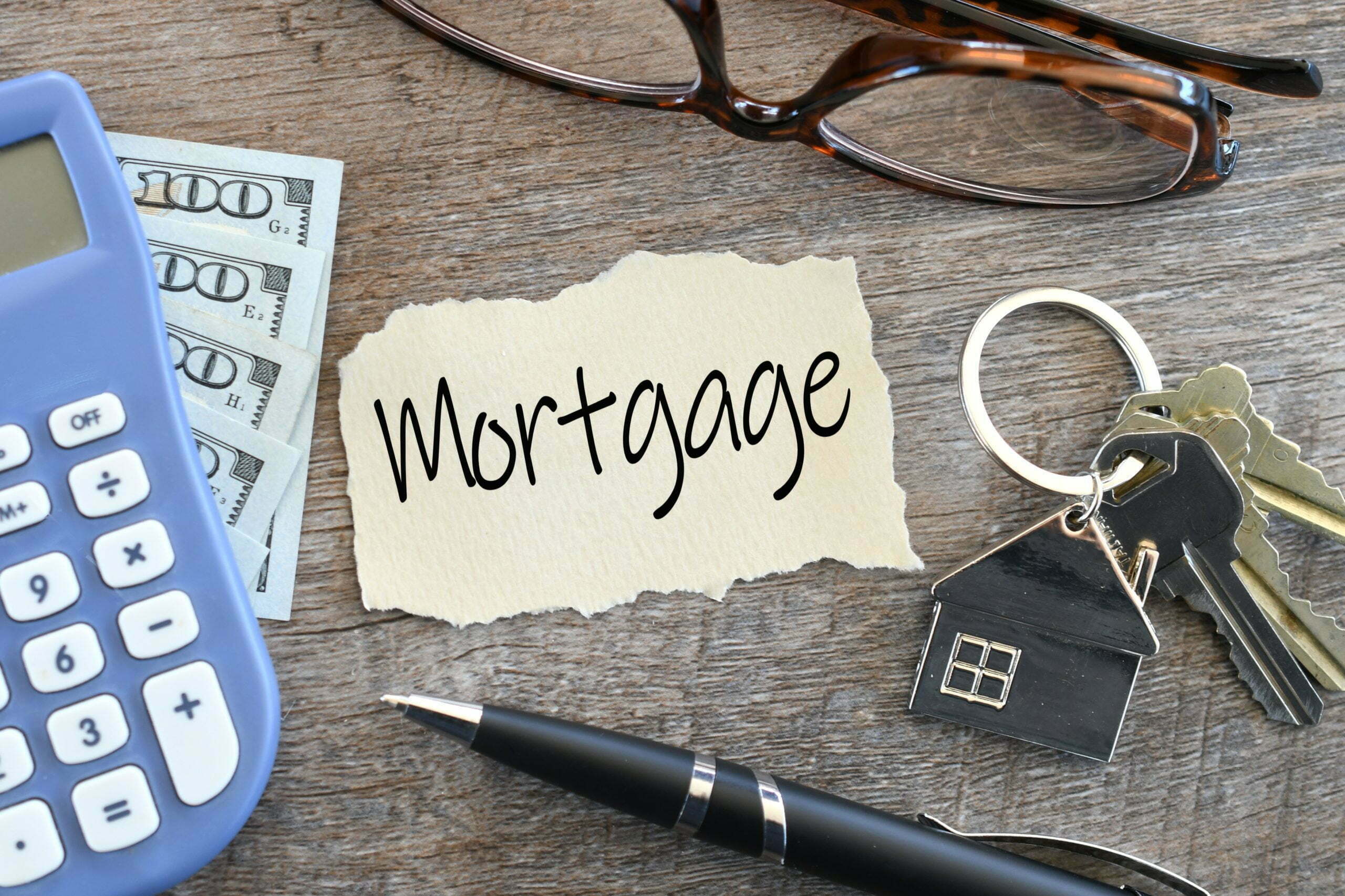
Mortgages are a key resource for homebuyers. In the modern world, there are a huge variety of options out there for mortgages, and with this greater pool of choices comes the need to research a larger number of lenders and mortgage loan term opportunities.

This is where assets like Lending Loco come into play. Lending Loco is a new personal finance site that can help you make sense of the mortgage loan landscape. In truth, big banks want this component of the home buying experience to remain cumbersome and convoluted. This allows them to maintain primary control over the relationship between borrower and lender. But with great informational resources on your side, understanding the term of the loan you may be agreeing to, shopping around for the best rates, and seeing your creditworthiness in all facets of the calculation can make the lending process far more transparent and lucrative for you as a consumer over the long term.

Mortgage loans begin with a survey of your credit score.

img

Your credit score says a lot about you as a borrower. For those with lower credit, annual percentage rate figures (APR) are often higher on both credit card and mortgage loan accounts. This means that boosting your credit score can save you a considerable amount of money over the lifetime of any loan that you may take out to make a purchase.

Understanding the way credit scores are calculated and working toward greater comprehensive knowledge of how you can increase your own credit rating is a must for anyone looking at mortgage loan options. This is the first step that any borrower should take as they begin to approach the real estate market. With a great credit score, you can browse properties confidently, knowing that you’re both likely to be approved on a mortgage loan and receive a great interest rate that fits in nicely with your overall financial picture.

Finding mortgage terms that are right for your needs can be broken into two primary categories.

img

Fixed and variable rate mortgages are the two main types of lending options when you approach the purchase of a new property. With the help of a great financial information resource, determining the state of the market at any given time can give you the knowledge required to make an intelligent decision on which option might work best for you.

The truth about fixed and variable interest rates is that there’s no one right way to go in all market conditions. Put simply, if your analysis of the federal interest rate landscape and overall marketplace for financial services is cynical, then opting for a variable rate might be the best course of action for the given moment. Generally speaking, when turbulent times arrive, the fed cuts interest rates, resulting in lower payouts on savings accounts (APY), and importantly, reduced interest rates on borrowed cash as well. Likewise, rate increases that bring the overall interest factor back up toward an even keel occur when the opposite is in play.

This means that a homebuyer must spend a considerable amount of time learning about the financial market and working toward intelligent insights surrounding the current and future financial circumstances of the nation as a whole when selecting a rate type.

With these key pieces of information, you can make smarter decisions about any borrowing and home buying opportunity that you may come across. With the help of a financial resource in this field, like Lending Loco, you can rest easy knowing that your fiscal knowledge is up to date and easily accessible for any new scenario that may present itself.

How Can Real Estate Agents Up Their Game?

Becoming a real estate agent is often viewed as an easy transition. You take some real estate classes, get certified, and start selling houses. If you are selling houses part-time while working a full-time job, those approaches will be practical for you. However, if you are looking to build a real estate business that will be your full-time income, there is much more you need to learn and do. There are elements of business that are not taught in real estate classes, and there are elements of real estate not taught in business classes.

Here are three things to do to up your game as a real estate agent.

Strengthen your understanding of business.

img

While there is specialized training to become a real estate agent, you need to strengthen your understanding of business to grow a successful real estate business. Taking classes or pursuing a degree in associate business management will provide the foundation of business knowledge needed to start and grow a business. Other degree programs include business administration, international business, entrepreneurship, and human resource management. However, not all of these programs will offer the classes and information that will help you work in real estate. Before registering for a program, look at the courses required for that program and determine if those are the topics that will help you excel in real estate.

Invest in high-quality marketing materials.

img

Real estate relies heavily on visual marketing. You need to develop a foundation in marketing best practices, which can be learned through business classes, getting a real estate mentor, or self-taught through observation and online learning. There are a lot of free educational resources online for marketing that you can seek out. The most important thing to remember is that real estate is visual, which means you need eye-catching and effective business cards and a real estate flyer for each property, website, and social media. While you need to know and understand best practices, you don’t have to do the actual work. The creation of flyers, websites, and social media can be outsourced to individuals or companies with years of experience and knowledge in the area.

Learn to develop your people skills.

img

People skills describe the soft skills that allow some people to connect with others easily. You may have heard of the term emotional IQ, which is also closely related to this development area. Your ability to communicate with people includes compassion, empathy, active listening, and quick connections. Little things like remembering people’s names and repeating them back, smiling, and making eye contact can make a significant difference when interacting with someone. Real estate depends on making personal connections with people and building loyalty with past and potential customers. Potential customers need to believe that you genuinely want to help them make their dreams come true, and you will do whatever you need to do to make that a reality. Dale Carnegie was an author and public speaker in the 1940s who brought soft skills to the forefront, and his classes are still taught today.

Going from being a real estate agent to running a thriving real estate business requires hard work and a good foundation of business, marketing, and soft skills. There are many ways to gain the knowledge you need in these areas if you are motivated and willing to work for it, and there are a plethora of resources you can find online in these areas. Still, it is critical to find reputable resources with established credentials in their teaching areas. Unfortunately, anyone can post information online and claim to be a professional, so you need to do your due diligence in vetting resources.

5 Best Kitchen Essentials for a Chef-Quality Kitchen

Having a chef-style kitchen can be a dream come true for any homeowner. You don’t have to hire a designer to make the kitchen of your dreams, you just need inspiration. An awesome kitchen renovation can help you love the space you cook in. It can even inspire noteworthy meals and culinary discoveries.

Here are the five best kitchen essentials for a chef-quality kitchen.

1. Install a heat pump.

img

Your kitchen can get chilly sometimes, especially during winter, so you will want to get a heating system for your house that’s effective and easy on your pockets as well. A heat pump can do just that. Heat pumps are a popular way to heat your home by moving heat from cool spaces to warm spaces. They are energy efficient because they’re merely moving heat from one place to another rather than generating heat, slashing your utility bill in half when comparing to traditional furnaces. Heat pumps can come in three types of systems—air-to-air, water source, and geothermal. These indicate whether your pump gets heat from outside air, water, or the ground outside your home. If your home doesn’t have ducts, you can opt for the ductless version—ductless heat pumps.

2. Upgrade your cabinets and pantry.

img

Revamping your cabinetry can also help you get the chef kitchen you want. You’re going to need a lot of space to store all of your ingredients and condiments to make delicious dishes for you and your family or friends. So for this, you should consider expanding the size of your cabinets as well as buying products that can help you organize everything. This includes lazy Susans, shelves, a pantry, and good lighting.

3. Change your countertop.

img

Additionally, your countertop is another important thing to work on if you want a chef’s kitchen. You can replace it with a stronger and cleaner-looking material like quartz or marble. Additionally, you’ll want to make space for appliances as well as the sink. Moreover, you can include spaces for your guests to enjoy their glasses of wine and appetizers such as on a kitchen island. You will want to have enough space to place your cutting board to chop up your veggies as well as a place to accommodate your kitchen devices like coffee makers, blenders, air fryers, and instant cookers.

4. Buy durable kitchenware and appliances.

img

Kitchen appliances can also help you build the chef kitchen of your dreams. You can opt for stainless steel appliances, which are easy to clean, are durable, and look fantastic in most households. You can also choose colored appliances for a pop or an accent point in your kitchen. Whatever your style is, you can choose your appliances accordingly.

You could buy a refrigerator with a french door, bottom freezer, or side by side. Your stove can have an integrated oven or you can buy a separate stovetop and place your oven on a wall so you can easily manage your pizzas or other baked goods too and from the oven. You can add a dishwasher to help relieve the stress of having to do this task on your own. Also, you could buy a high-powered microwave so it takes half the time to prepare your food.

5. Renovate your flooring.

Lastly, you can revamp your floor by changing it to something that matches your kitchen’s new style. For instance, if you have two main colors in your kitchen, then you should use one of those or a shade of them so your kitchen matches your current style.

These tips will help you create a kitchen that chefs will want to cook in if they had the chance.

3 Signs You May Need to Replace the Boiler in Your Home

In general, boilers are designed to be durable and long-lasting. However, despite technological advancements, the reality shows this isn’t the case as boilers aren’t built to last forever. Like all machines, they can fail without prior warning or signal. Once a boiler is nearing the end of its lifespan, you may start noticing some telltale signs that the system needs replacement.

Replacing a major household system can be costly; make no mistake. However, it becomes expedient to do so when the boiler starts showing signs of failure. Read on to discover three unmistakable signs you may need to replace the boiler in your home.

1. It breaks down frequently and requires repairs.

img

If your radiator takes a longer time to heat up, your boiler could be at fault. The good news is that a plumber or HVAC technician that provides boiler repair services can fix a faulty radiator. Sometimes, it’s simply a case of performing a power flush or bleeding the radiators. However, if the radiator continues to heat your water slowly after servicing, the boiler is likely due for replacement.

Whether it’s an air conditioning or heating system, HVAC system jobs should be left to professionals to handle. Let’s say you live in Tracy, San Joaquin County, California; if your boiler breaks down and requires repairs regularly, these are signs you may need to replace the boiler in your Tracy, CA home with a newer model. Ideally, a boiler should require one service inspection a year. If you are contacting an HVAC company or technician for boiler repair services more than once a year, you need to consider upgrading your boiler. Thankfully, modern boilers are built to be more energy-efficient, invariably saving you money on your utility bill.

2. It’s making lots of noise.

It’s normal for boilers to make noises when in operation as they work to send hot water around your residential property through water pipes. If you notice any banging, kettling, or gurgling sound whenever you open the hot water tap, it’s a telling sign that the system is due for replacement. Systems that are over 25 years old tend to make all sorts of noises during operation. Once a boiler exceeds its lifespan, it becomes prone to experiencing wear and tear.

Boiler technology has significantly evolved in the past decade, making it possible for home systems to last for longer periods, regardless of whether you live in a city or country home. Homeowners are expected to keep an eye out when their boilers become very noisy. Ignoring these sounds may prove counterproductive in the end. The fault may deteriorate further and result in the complete breakdown of the machine.

3. Reduced boiler performance.

img

A boiler’s energy performance is measured by its AFUE rating—Annualized Fuel Utilization Efficiency. AFUE refers to how efficient a boiler is in converting fuel to heat energy. Boilers with high AFUE ratings have greater energy with ratings of 90-97 percent. Boilers that have been in operation for several years tend to experience a significant drop in energy efficiency.

Nowadays, the AFUE rating of boilers is displayed on the packaging to help potential buyers compare the energy of different models. When looking to buy a new system, opt for one with a high ERP energy rating. Boilers with an A-rating are considered to be the most efficient, while those with a G-rating are considered less efficient. Also, note that it’s common for debris and dirt to find their way into a boiler system. This may interrupt the operation of the boiler, invariably leading to increased energy consumption and decreased energy efficiency.

Boilers that break down frequently are usually nearing the end of their lifecycle or were faulty from the start, so it helps to get regular servicing or a total replacement. Hopefully, the above-listed signs will help determine if a complete replacement is needed.

Understand Why Your Pilot Light Won’t Stay Lit

If your home has an older furnace, there’s a chance that you have a pilot light that ignites your heating system. That standing pilot light serves as a small ignition flame for gas burners. However, you may have run into circumstances where that light went out, and you were left without heat in the dead of winter or unable to get a hot shower with the water heater now temporarily out of commission. While sometimes the right breeze can knock a pilot light out of commission, there are other underlying issues that may be causing your headaches with your heater.

The Age and Condition of the Furnace

img

If you’re finding that your pilot light keeps going off, it’s important to understand why your pilot light won’t stay lit. If your furnace has a pilot light, chances are it’s at least 20 years old. An old furnace may have components and parts that are ineffective and dirty. A combination of this failing equipment can result in the light going out at any time. While it could be an easy fix, it can be aggravating to have to keep dealing with this common problem time and time again.

Older furnaces may deal with a pilot flame that flickers a bit and then goes out; you may have to clean out the pilot orifice. Shut off gas to the heater, then remove the orifice fitting. Clean out underneath with rubbing alcohol to remove any dirt or debris. If you’re able to light the pilot light, but it goes out when you release the control knob, the thermocouple probably needs replacing. The thermocouple is a safety device that shuts off gas flow if it senses the pilot light is out, but when damaged, it loses its regulatory ability. It’s a fairly inexpensive replacement.

Gas Supply and Gas Valve Issues

img

Your pilot light depends on a consistent gas source to keep the flame going. Issues with the gas valve, whether it’s malfunctioning or just dirty, can cause the flame to go out. It’s also possible that the supply of gas has entirely run out. In some cases, a gas pilot light can sometimes go off just from a wind gust or breeze knocking it out. This can be brought on by the setting of the flue pipe or the venting of your furnace.

While the light going on can be a common issue, it’s important to assess your situation with any gas outage. If there’s an underlying issue with the gas line, it could be of tremendous danger to your household. A carbon monoxide detector in your home is recommended to alert you to the possibility of a gas leak. Be sure to call emergency officials immediately and evacuate your household if you smell gas. This could be an issue with the pilot valve or the gas supply, or potentially require the replacement of the furnace.

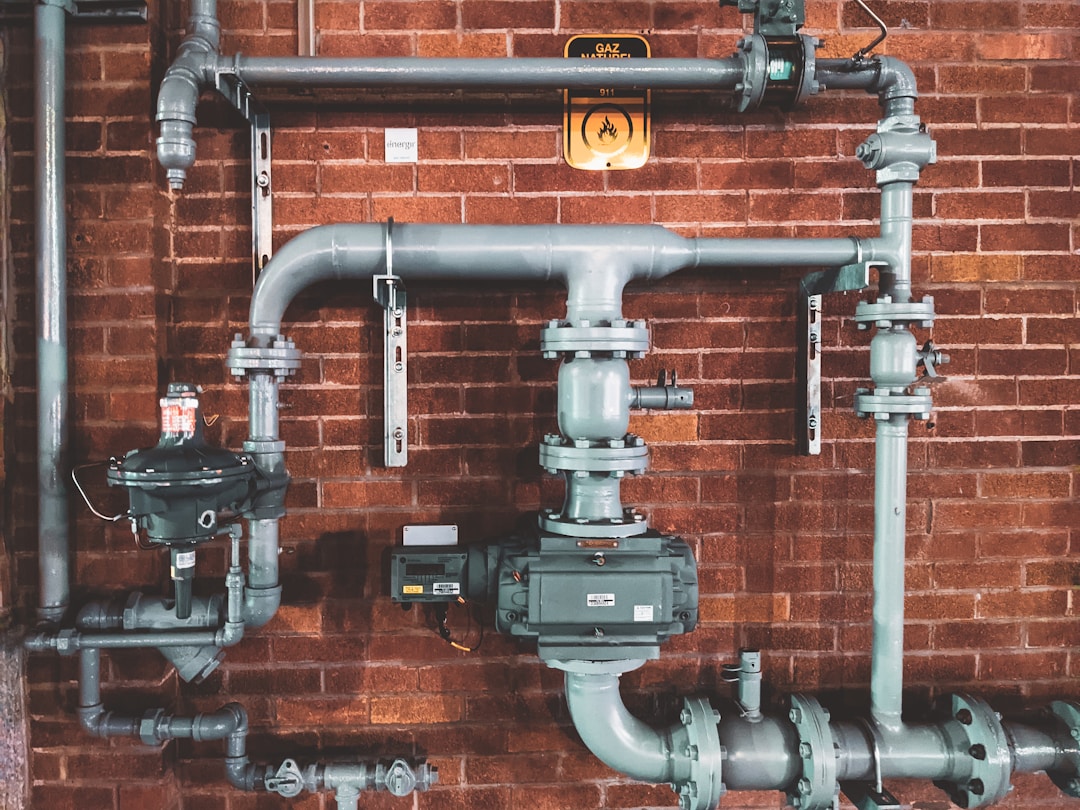
Faulty Gas Regulator

img

If you notice that you’re having issues with gas appliances throughout your house, like your oven or your dryer, a bad gas regulator is usually to blame. Your furnace may not be getting sufficient gas to power the pilot. A gas regulator is a control device that maintains a defined pressure of a heating system by cutting off the flow of a gas or liquid when it reaches a set pressure. A furnace repair service can spot this as the cause of the problem and spare you future issues.

A repair service can also examine a furnace for any other issues, including cracked heat exchangers. This can impact the inside venting and air pressure in the combustion chamber of a water heater or other heating units. From obstruction to gas line issues, there are several issues that can impact your furnace. However, it’s important to make sure you have access to professionals that can take care of the problem.

What Goes Into Opening a Restaurant?

Opening a new restaurant seems like an exciting adventure. While it is just that, there is also a lot of responsibility that goes into starting a business of this venture. Many young entrepreneurs who go into the hospitality industry will, unfortunately, not make it past their first year. You obviously want to exceed that goal and stay open for a long time to come. To do that, you need to do great work at the beginning of your journey and open your restaurant in style.

The first step is to know what goes into opening a restaurant. There are plenty of financial responsibilities and creative steps you’ll want to take at the beginning of your journey. From building your restaurant’s aesthetic and aura to hiring the best team to take the plunge with you, there are plenty of different areas to consider. Let’s dive deeper and take a look at what exactly goes into opening a restaurant.

Create the atmosphere and aesthetic in your restaurant building.

Finding the perfect location and renovating that building are necessities to create the restaurant of your dreams. This will involve checking out a lot of different real estate and potentially hiring a contractor to repair different areas or give the exterior a facelift. Even contacting painters near me with years of experience can help you spruce up your space without too much effort or expense. A painting project inside or outside your restaurant by a professional painter can help you create that look that is unique and special for your restaurant. A fresh coat of paint can do a great job to liven up space and get people excited about your new eatery.

Invest in the best kitchen equipment.

Opening a restaurant is going to require the right tools and appliances. You’ll need to budget for and shop around to find the best kitchenware and dining room furniture before your grand opening. You may even be able to get a great deal by financing your restaurant equipment rather than having a huge expense upfront. If you start to say to yourself, “I want to finance restaurant equipment,” you’ll be able to find successful sellers and brokers that will give you a great deal. Get the best refrigerators, dishwashers, ovens, stoves, small wares, bar glasses, dining chairs, and more when you make these important connections.

Secure excellent staff to help you run everything.

You can’t open a restaurant all on your own. In fact, you’re going to need a decent amount of help to get up and running effectively. Find your team and budget for payroll. You want to establish a positive culture in your restaurant right off the bat, and offering a competitive salary is one of the ways you can do just that. Have fun hiring the people you want to work with day in and day out that will make your eatery a positive place in the community.

Plan your menu and handle all the business logistics.

There is plenty of logistics and paperwork you’ll need to figure out with your restaurant as well. For one, you’ll need to get all your food and liquor licenses as well as tax documentation for your official business. Next, you’ll get to the fun part of creating your branding and, most importantly, the menu. Plan out all these logistics before you get ready to open.

Market your new eatery to the local community.

New restaurants need a little help getting the word out about their cuisine. Make sure you have a marketing plan in place to bring in potential customers to your location. By reaching out to the local community, you are drumming up business and focusing on turning a profit.

A Guide to Australian Real Estate

The Australian real estate marketplace is a booming opportunity for anyone thinking of buying property for the first time or moving into a new home. Australian real estate is a great investment, just like property in any other location around the world. The benefits of owning your own home are nearly endless, and financially, property ownership is one of the easiest and most effective ways to create positive movement within your overall net worth.

For anyone thinking of buying a home in the coming future, these guidelines offer an excellent way to approach the market and the process of finding and securing the property of your dreams.

Understand the financial requirements of buying a home.

img

First-time homebuyers are growing older in Australia. A new home is something that many people are looking to bring into their lives, but for many younger buyers, this remains something pushed out into the future. For those in their 20s, preparing to purchase your first home—even before you’ve started to really consider the endeavor—is an essential task. The earlier you begin to save for the expense of purchasing and maintaining a home, the better off you’ll be when it comes time to put in an offer on a property.

Saving early will help you expand the cost associated with this purchase over many years instead of many months. Setting aside a few hundred dollars a month is far easier than budgeting for a thousand or more in order to make up for lost time when it comes to saving. Likewise, as you begin to seriously contemplate the purchase of a home, it’s a good idea to speak with a conveyancer, realtor, and other professionals with years of experience in the industry. Searching for “conveyancer Melbourne” is a great way to get started on the search for this essential legal service.

Target essential amenities and feature installation options.

img

The competition is stiff among the Australian real estate market, and the durable homes with metal roofing, quality windows, and large footprints that can accommodate a growing family are moving off the market with lightning speed. Metal roof options are a great idea for homeowners who want to prioritize durable fixtures that will last for the long haul. A traditional roof often remains viable for around 20 years, whereas a metal roof can provide excellent coverage for the home for far longer. As well, energy efficiency is boosted under the protective covering of this type of roof installation. Put simply, the metal roof offers quality products to homeowners who are looking for substance and lasting efficiency.

Highlight the location for a well-rounded home.

img

The final component of a great home is the selection of a location that meets all your needs. Homes provide the essential shelter that you and your family need, yet the placement of that amenity matters a lot in the day-to-day activities that you participate in. Homeowners know the value of a property that provides a potent mix of private seclusion and fast access to local hotspots, schools, and transportation routes. The one thing that you can’t change about a home is its location, so make sure you do your homework before setting down roots. Selecting the perfect spot for your family home is an intensely satisfying feeling. Make sure you bring all these elements together for the best possible home buying experience.

With these three elements in mind, approaching the Australian real estate market doesn’t have to be scary or intimidating. Start early and target homes that provide both the location and amenities that you are looking for in a property. You won’t be sorry.

Tips for Designing a Commercial Property

Commercial properties are defined as business properties. One commercial property owner may own a large warehouse while another may own a retail store, and another commercial property owner may own a rental property.

Commercial real estate is intended to generate a profit, which means the property must effectively serve its intended purpose. Your needs will vary based on the property’s purpose, which is why designing a commercial property can be tricky. Let’s look at some ways to simplify the process of designing your commercial property.

Work with professionals.

img

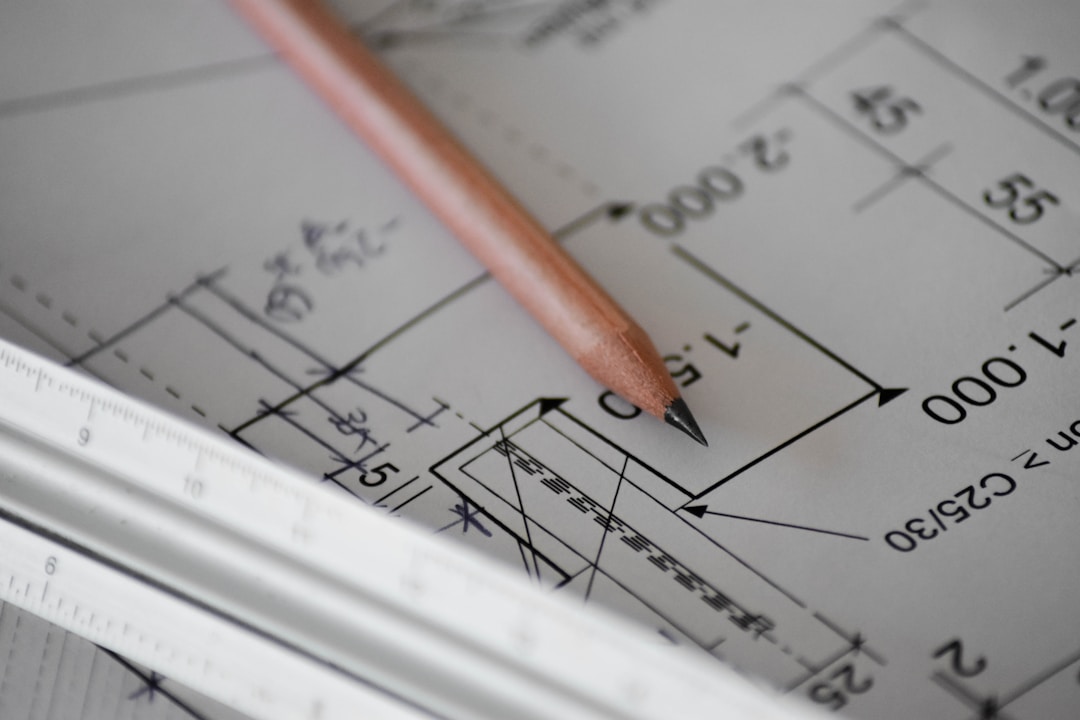
Building design experts have the skills and knowledge required to design safe structures that meet your needs. Suppose you’re constructing a commercial property. Start by consulting an architect. Architects develop design plans that meet building codes. They’ll consider your building needs and balance those against other considerations, such as building regulations. The building’s land may also impact the design plan.

Architects may consult with other professionals, such as structural engineers while developing your building’s design. Architects can also develop plans to upgrade existing structures.

Interior designers work with homeowners and commercial property owners. They use their design skills to redesign rooms and buildings to suit the owner’s needs. Hire an interior designer who can identify ways to improve how a building functions by moving features such as walls, cabinets, and doors.

Focus on essentials.

img

Suppose you’re renovating an older commercial property. It’s a good idea to have a building inspector review the property and identify potential code violations, ensuring your redesign plans correct those issues. Older buildings may have outdated pipes and electrical systems you need to upgrade to meet the anticipated demand once the building’s in use.

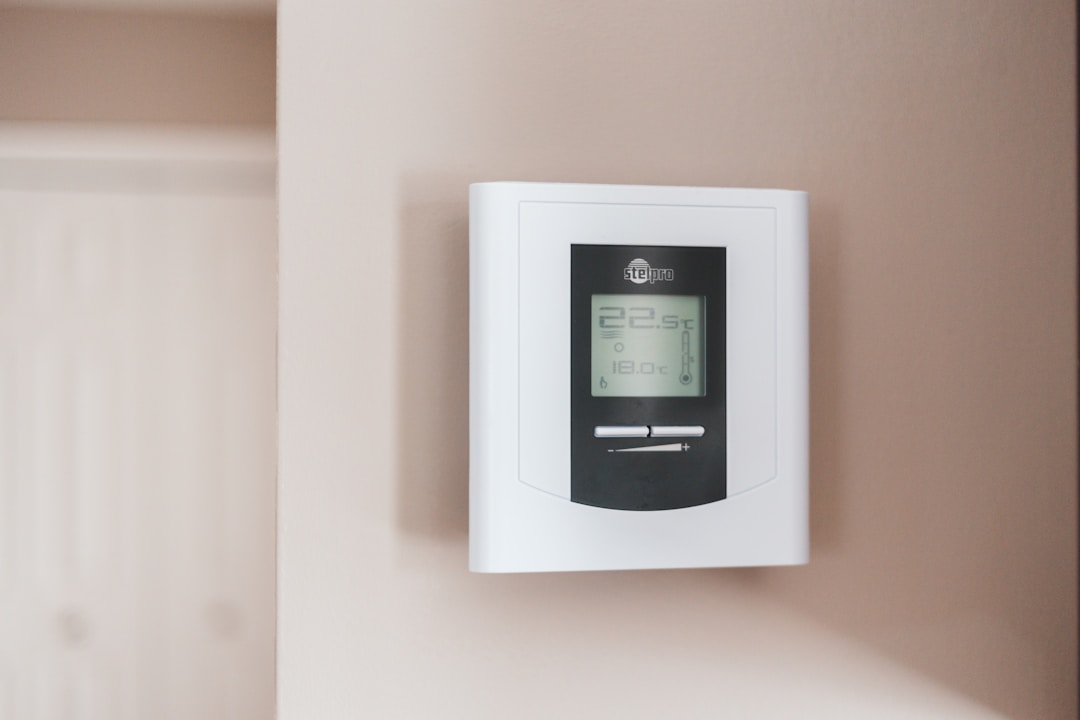
Your commercial building should have a heating, ventilation, and air conditioning (HVAC) system. There are several reasons to upgrade your thermostat or HVAC system. A faulty thermostat may not activate your HVAC system, causing your building to be cooler or warmer than desired. Today, smart thermostats can learn when the building’s in use and the desired internal temperature at different times of the day. Your digital thermostat can activate the furnace or air conditioner and adjust the temperature automatically. Using digital or programmable thermostats can help you save money by reducing your energy bills.

Upgrading your HVAC unit may be essential if the building has an old system that’s in disrepair. Your HVAC system affects your building’s air quality. In addition to the energy savings, you could benefit from installing a new system free of mold and other toxins. You may also need to repair your ductwork if the air’s leaking through holes.

Pay attention to the details.

img

Whether your commercial building is an office building, retail store, or rental property, you could benefit from window tint in Dallas, TX. Window tint blocks out ultraviolet rays. Exposure to UV rays causes sunburn. UV rays also cause wrinkles and skin damage, and damage to your eyes. Blocking out harmful UV rays has additional benefits because it protects furnishings in the building from sun damage. Applying a window film to the windows in your building is a design feature that can appeal to potential tenants.

While the specific features in your building will vary based on its purpose, all commercial properties benefit from a high-tech security system. Installing a security system protects tenants from intruders. It also reduces your insurance costs. Building owners can receive instant alerts on mobile apps if there’s suspicious activity at their property, enabling you to respond to threats in real-time.

You can integrate your security system and other alarms, such as fire alarms and carbon monoxide detectors. Security systems can contact the police if someone breaks in, and your security system can also contact your local fire department if the smoke detector goes off. Installing a top-of-the-line security system will protect your building and impress tenants.

Your commercial building design needs will vary based on whether you’re building a new structure or redesigning an existing building. The building’s purpose will also affect your design plans. Work with professionals, prioritize essential systems, and pay attention to details such as window tinting and security to create an effective design plan for your building.