


The Ultimate Guide to Losing Fat and Gaining Muscles: Proven Strategies for Body Recomposition Success
Losing fat and gaining muscle simultaneously—known as body recomposition—is achievable through targeted nutrition, effective workouts, and lifestyle optimization. This guide delivers a step-by-step fat loss workout plan, muscle gain diet strategies, and evidence-based routines to transform your physique. You’ll discover:
- Core principles of body recomposition and who benefits most
- How to calculate and apply a sustainable calorie deficit
- Optimal protein intake, timing, and sources
- Strength training and cardio protocols for dual goals
- Lifestyle habits—sleep, stress management, progress tracking—supporting lasting results
By following these proven methods, you’ll master how to lose fat without sacrificing lean mass and build muscle while trimming excess weight.
What Is Body Recomposition and How Does It Work?
Body recomposition unites fat loss and muscle gain in a single process using resistance training, dietary adjustments, and recovery protocols.
What Is Body Recomposition? Definition and Key Principles
Body recomposition is the process of simultaneously reducing adipose tissue and increasing lean muscle mass through targeted exercise and nutrition. It relies on three core principles:
- Resistance Training Stimulus – Lifting weights triggers muscle protein synthesis.
- Moderate Calorie Deficit – A controlled energy shortfall (200–500 kcal/day) promotes fat oxidation without significant muscle catabolism.
- High Protein Intake – Adequate protein (1.6–2.2 g/kg) supports repair and preserves lean tissue.
These elements combine to remodel body composition, improving metabolism and strength while decreasing body fat percentage.
Higher Protein Intake During Energy Deficit Promotes Lean Mass Gain and Fat Loss
This research directly supports the article’s emphasis on high protein intake within a moderate calorie deficit as a core principle for achieving simultaneous fat loss and muscle gain.
How Can You Lose Fat and Gain Muscle at the Same Time?
Losing fat and gaining muscle together involves creating a mild calorie deficit while providing sufficient amino acids and mechanical tension. The mechanism:
- Protein-Leverage Effect – High protein diets maintain nitrogen balance and drive muscle protein synthesis.
- Training Adaptation – Progressive overload signals hypertrophy while stored lipids supply energy.
- Hormonal Optimization – Balanced macronutrients support insulin sensitivity and anabolic hormone production.
By aligning training volume with nutrient timing, you harness fat stores and optimize muscle accrual.
Who Benefits Most from Body Recomposition? Beginners vs. Advanced Trainees
Beginners and those returning from a training hiatus achieve rapid recomposition due to “newbie gains,” where untrained muscle responds quickly to stimulus. Advanced trainees still benefit but require:
- Periodization – Cycling intensity to avoid plateaus.
- Nutrient Timing Precision – Aligning protein and carbohydrate intake with workouts for maximum recovery.
- Advanced Recovery Protocols – Ensuring sleep quality and stress management to support continuous gains.
New exercisers often see simultaneous fat loss and muscle growth within weeks, while experienced lifters may experience slower but steady recomposition.
What Are the Scientific Mechanisms Behind Fat Loss and Muscle Gain?
Body recomposition hinges on two physiological pathways:
- Muscle Protein Synthesis (MPS) – Resistance training stimulates MPS via mTOR signaling; dietary leucine acts as a trigger.
- Fat Oxidation – A calorie deficit increases lipolysis, freeing fatty acids for mitochondrial ATP production during exercise and rest.
Understanding these mechanisms clarifies why protein timing, training intensity, and energy balance must align for optimal results.
How to Create an Effective Calorie Deficit for Body Recomposition
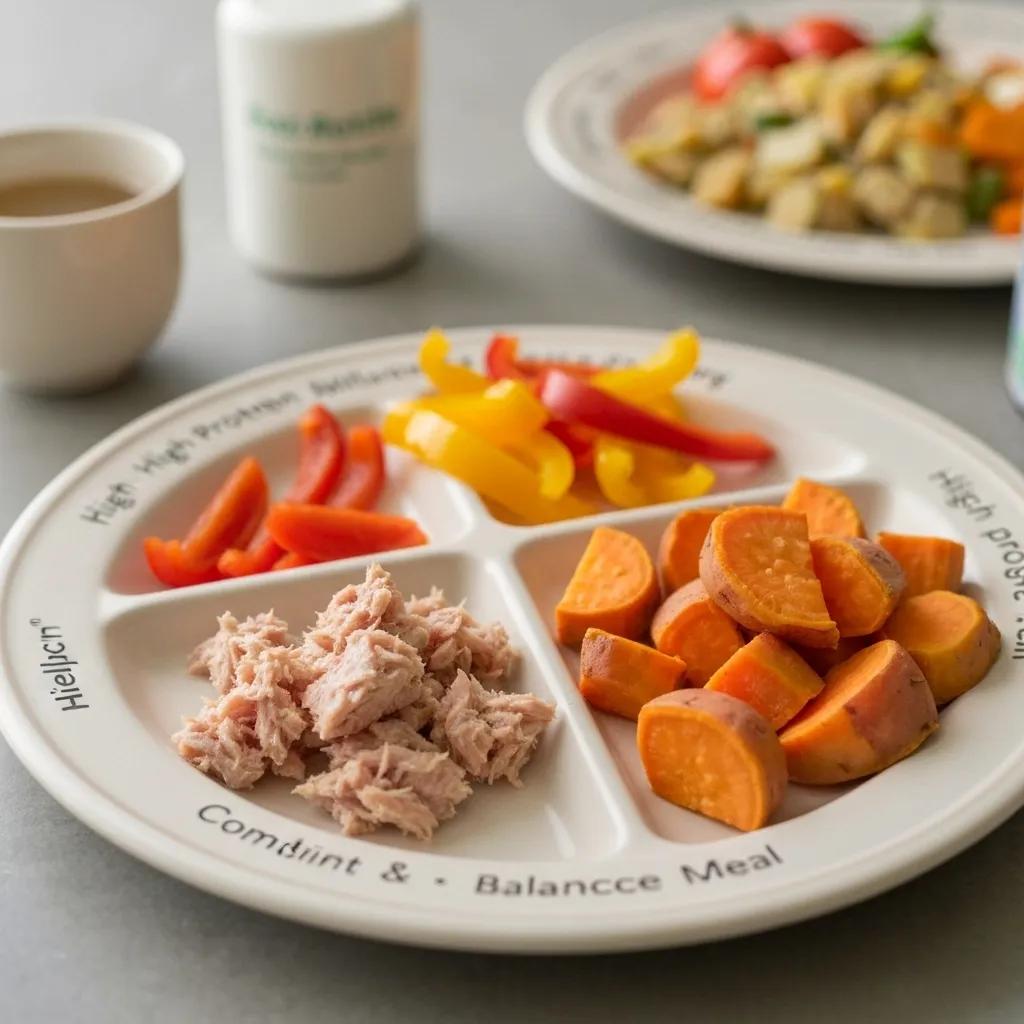
A calorie deficit occurs when energy expenditure exceeds intake, prompting the body to use stored fat.
What Is a Calorie Deficit and Why Is It Important for Fat Loss?
A calorie deficit causes the body to mobilize adipose tissue for energy, reducing fat mass while resistance training preserves lean mass. Maintaining a moderate deficit (200–500 kcal below maintenance) ensures a balance between fat loss and muscle retention.
How to Calculate Your Calorie Deficit for Sustainable Fat Loss
To determine your deficit:
- Estimate Total Daily Energy Expenditure (TDEE) based on basal metabolic rate and activity level.
- Subtract 200–500 calories for a conservative deficit.
- Monitor weight and body composition weekly to adjust intake.
A moderate deficit preserves muscle mass while steadily reducing fat stores, paving the way for body recomposition.
What Are the Risks of an Aggressive Calorie Deficit?
Severe deficits (>700 kcal/day) can trigger muscle protein breakdown and hormonal imbalances. Risks include decreased strength, slowed metabolism, and increased cortisol. Prioritizing a moderate deficit and high protein intake mitigates muscle loss and supports hormonal health.
How Does Calorie Cycling Support Fat Loss and Muscle Gain?
Calorie cycling alternates higher- and lower-intake days to optimize anabolic responses on training days and accentuate fat oxidation on rest days. Benefits include:
- Enhanced workout performance on high-intake days
- Increased metabolic flexibility
- Improved adherence by varying daily intake
By aligning caloric adjustments with training demands, calorie cycling fosters both fat loss and muscle growth.
What Is the Optimal Protein Intake for Muscle Gain and Fat Loss?
Protein intake drives muscle repair and preserves lean tissue during a calorie deficit.
How Much Protein Do You Need to Build Muscle and Preserve Lean Mass?
Consuming 1.6–2.2 g/kg of body weight per day maximizes muscle protein synthesis and minimizes catabolism during energy restriction. This range supports recovery, satiety, and metabolic rate enhancement.
Which Protein Sources Are Best for Body Recomposition?
High-quality proteins deliver essential amino acids and leucine:
- Whey Protein – Rapid absorption and rich leucine content.
- Lean Meats (Chicken, Turkey, Fish) – Complete amino acid profile and nutrient density.
- Plant-Based Proteins (Soy, Pea, Lentils) – Effective when combined for complete amino profiles.
These sources support sustained MPS and lean mass preservation.
When Should You Consume Protein for Maximum Muscle Repair?
Distribute protein evenly across 3–5 meals, aiming for 0.4–0.6 g/kg per meal. Consuming 20–40 g of protein within 1–2 hours post-workout optimizes muscle protein synthesis through nutrient timing.
How Do Protein Supplements Like Whey and Creatine Support Muscle Growth?
Whey Protein – Stimulates rapid MPS via high leucine content. Creatine Monohydrate – Increases phosphocreatine stores, enabling higher training volume and driving lean muscle gains.
These supplements enhance strength, recovery, and body composition when paired with resistance training.
What Are the Best Strength Training Workouts for Fat Loss and Muscle Gain?

Resistance training builds muscle and elevates resting metabolic rate to accelerate fat loss.
Which Strength Training Exercises Build Muscle and Promote Fat Loss?
Focus on compound movements that recruit multiple muscle groups and generate high energy expenditure:
- Squats – Engage quadriceps, glutes, hamstrings, core.
- Deadlifts – Stimulate posterior chain and total-body strength.
- Bench Press – Targets chest, shoulders, triceps for upper-body hypertrophy.
- Pull-Ups/Rows – Develop back, biceps, scapular stability.
- Overhead Press – Builds shoulders, triceps, and core stability.
These exercises deliver maximal stimulus and caloric burn, supporting body recomposition.
How Does Progressive Overload Drive Continuous Muscle Growth?
Progressive overload—gradually increasing weight, volume, or intensity—forces muscles to adapt, increasing cross-sectional area and strength. Tracking load and volume ensures consistent progression and prevents plateaus.
What Role Does Resistance Training Play in Body Recomposition?
Resistance training:
- Builds Muscle Mass – Elevates basal metabolic rate.
- Preserves Lean Tissue – Protects muscle during calorie deficits.
- Improves Insulin Sensitivity – Enhances nutrient partitioning toward muscle.
Strength Training Alone Can Significantly Reduce Body Fat
This study provides strong evidence for the article’s claim that resistance training is effective for fat loss, not just muscle building, by directly demonstrating its impact on body fat percentage.
How to Structure a Strength Training Routine for Beginners and Advanced Lifters
A balanced routine alternates push, pull, and lower-body sessions:
Tailor volume and intensity to experience level, ensuring adequate recovery and progressive overload for sustained gains.
How to Use Cardio Effectively for Fat Loss Without Sacrificing Muscle
Cardio supports caloric burn but must be balanced to preserve lean mass.
What Are the Differences Between HIIT and LISS Cardio?
High-intensity interval training (HIIT) alternates intense efforts with short rest periods, boosting post-exercise oxygen consumption. Low-intensity steady-state (LISS) maintains a moderate, continuous pace.
Both methods support body recomposition: HIIT maximizes efficiency and metabolic boost, while LISS enhances recovery and sustainable fat oxidation.
How to Combine Cardio with Strength Training for Optimal Results
Schedule HIIT on non-leg strength days or after lifting to avoid performance drops. Incorporate LISS on recovery days to increase caloric expenditure without taxing the central nervous system.
How Much Cardio Is Recommended During Body Recomposition?
Perform 2–3 HIIT sessions (15–25 min) and 1–2 LISS sessions (30–45 min) per week. This blend supports fat loss while minimizing interference with muscle recovery and growth.
What Lifestyle Factors Support Fat Loss and Muscle Gain?
Optimizing sleep, stress, and tracking enhances training adaptation and dietary adherence.
How Does Sleep Affect Muscle Recovery and Fat Loss?
Sleep enhances muscle repair through growth hormone release and regulates appetite hormones (leptin, ghrelin). Aim for 7–9 hours nightly to optimize recovery, reduce cortisol, and support metabolic health.
Sleep Quality and Duration Impact Muscle and Fat Mass
This research directly supports the article’s assertion that optimizing sleep is a crucial lifestyle factor for enhancing muscle recovery, preserving lean mass, and supporting fat loss.
What Stress Management Techniques Enhance Body Recomposition?
Chronic stress elevates cortisol, promoting fat storage and muscle breakdown. Effective strategies include:
- Mindfulness Meditation – Lowers stress response.
- Breathing Exercises – Activates parasympathetic system.
- Active Recovery – Light yoga or walking to reduce tension.
Reducing stress preserves an anabolic hormonal environment conducive to lean gains.
How to Track Progress Beyond the Scale?
Rely on metrics like body circumference, body-fat calipers, strength improvements, and progress photos. These indicators provide a holistic view of recomposition and prevent discouragement from scale fluctuations.
How Can You Overcome Plateaus with Advanced Training and Nutrition Strategies?
Breaking plateaus may involve:
- Training Periodization – Cycling volume and intensity.
- Macro Adjustments – Tweaking calorie intake or macronutrient ratios.
- Recovery Focus – Prioritizing sleep, deload weeks, and stress reduction.
These adjustments reignite adaptation pathways and maintain continuous progress.
Which Supplements Are Scientifically Proven to Aid Fat Loss and Muscle Gain?
What Are the Most Effective Supplements for Body Recomposition?
Key supplements deliver targeted benefits:
- Creatine Monohydrate – Increases lean mass and strength.
- Whey Protein – Rapid post-workout amino acid delivery.
- Branched-Chain Amino Acids (BCAAs) – Support MPS during fasted training.
These products enhance anabolic signaling and performance when combined with resistance workouts.
How Do These Supplements Work to Support Muscle Growth and Fat Loss?
Creatine boosts phosphocreatine stores, enabling higher training volume. Whey protein stimulates MPS via leucine-rich profiles. BCAAs attenuate muscle breakdown and support recovery under caloric restriction.
Are There Any Risks or Considerations When Using Supplements?
Most supplements are safe within recommended dosages. Key considerations:
- Choose third-party–tested products to ensure purity.
- Monitor hydration with creatine use.
- Balance total protein intake to avoid excessive renal load.
Responsible supplementation enhances recomposition with minimal side effects.
For a practical application of resistance training that maximizes fat loss and lean mass gain, explore this full body workout routine: The #1 Full Body Routine to Build Muscle and Lose Fat.
Losing fat while gaining muscle requires strategic alignment of energy balance, nutrient timing, and training stimulus. By mastering a moderate calorie deficit, prioritizing high-quality protein, leveraging compound strength exercises and balanced cardio, and optimizing sleep and stress management, you create an environment for body recomposition success. Consistent tracking and occasional adjustments break plateaus, while science-backed supplements like creatine and whey protein further accelerate progress. Embrace these principles to transform your physique and sustain results over the long term.
Frequently Asked Questions
What is the role of hydration in body recomposition?
Hydration plays a crucial role in body recomposition as it affects metabolic processes, exercise performance, and recovery. Adequate water intake helps maintain optimal blood volume, which is essential for nutrient transport and muscle function. Dehydration can lead to decreased strength, endurance, and increased risk of injury. Aim for at least 2-3 liters of water daily, adjusting based on activity level and climate. Proper hydration also supports appetite regulation and can enhance fat loss by promoting metabolic efficiency.
How can I maintain motivation during my body recomposition journey?
Staying motivated during body recomposition can be challenging. Setting realistic, measurable goals is essential; consider short-term milestones alongside long-term objectives. Tracking progress through various metrics, such as body measurements, strength gains, and workout performance, can provide tangible evidence of improvement. Additionally, finding a workout buddy or joining a community can offer support and accountability. Celebrating small victories and focusing on the positive changes in your body and health can also help maintain motivation throughout your journey.
What are the best recovery strategies to support muscle growth and fat loss?
Effective recovery strategies are vital for muscle growth and fat loss. Prioritize sleep, aiming for 7-9 hours per night, as it enhances muscle repair and hormonal balance. Incorporate active recovery days with light activities like walking or yoga to promote blood flow and reduce soreness. Additionally, consider techniques such as foam rolling, stretching, and massage to alleviate muscle tension. Proper nutrition, including post-workout protein intake, also supports recovery and muscle synthesis, ensuring you are ready for your next training session.
How does stress impact body recomposition efforts?
Chronic stress can significantly hinder body recomposition by elevating cortisol levels, which may lead to increased fat storage and muscle breakdown. High stress can also disrupt sleep patterns and appetite regulation, making it harder to adhere to nutrition and training plans. To mitigate stress, incorporate relaxation techniques such as mindfulness meditation, deep breathing exercises, or engaging in hobbies. Prioritizing recovery and self-care can create a more favorable hormonal environment for achieving your body recomposition goals.
What should I do if I hit a plateau in my progress?
Hitting a plateau is common in body recomposition. To overcome it, consider adjusting your training program by changing the intensity, volume, or type of exercises. Implementing periodization can help prevent stagnation. Additionally, reassess your nutrition; slight adjustments in calorie intake or macronutrient ratios may reignite progress. Ensure you are prioritizing recovery and managing stress effectively. Tracking your progress through various metrics can also provide insights into what changes may be necessary to break through the plateau.
Are there specific foods that can enhance fat loss and muscle gain?
Yes, certain foods can support fat loss and muscle gain. Focus on high-protein foods such as lean meats, fish, eggs, and legumes, which promote muscle repair and growth. Incorporate healthy fats from sources like avocados, nuts, and olive oil to support hormone production. Additionally, complex carbohydrates from whole grains, fruits, and vegetables provide sustained energy for workouts. Foods rich in fiber can aid digestion and satiety, helping you maintain a calorie deficit while ensuring adequate nutrient intake for muscle preservation.
Conclusion
Achieving body recomposition through fat loss and muscle gain is entirely feasible with the right strategies in place, including a moderate calorie deficit and high protein intake. By understanding the science behind effective workouts and nutrition, you can optimize your results and maintain lean mass while shedding excess fat. To further enhance your journey, consider exploring our range of scientifically-backed supplements designed to support your goals. Start your transformation today by implementing these proven methods and tracking your progress for lasting success.