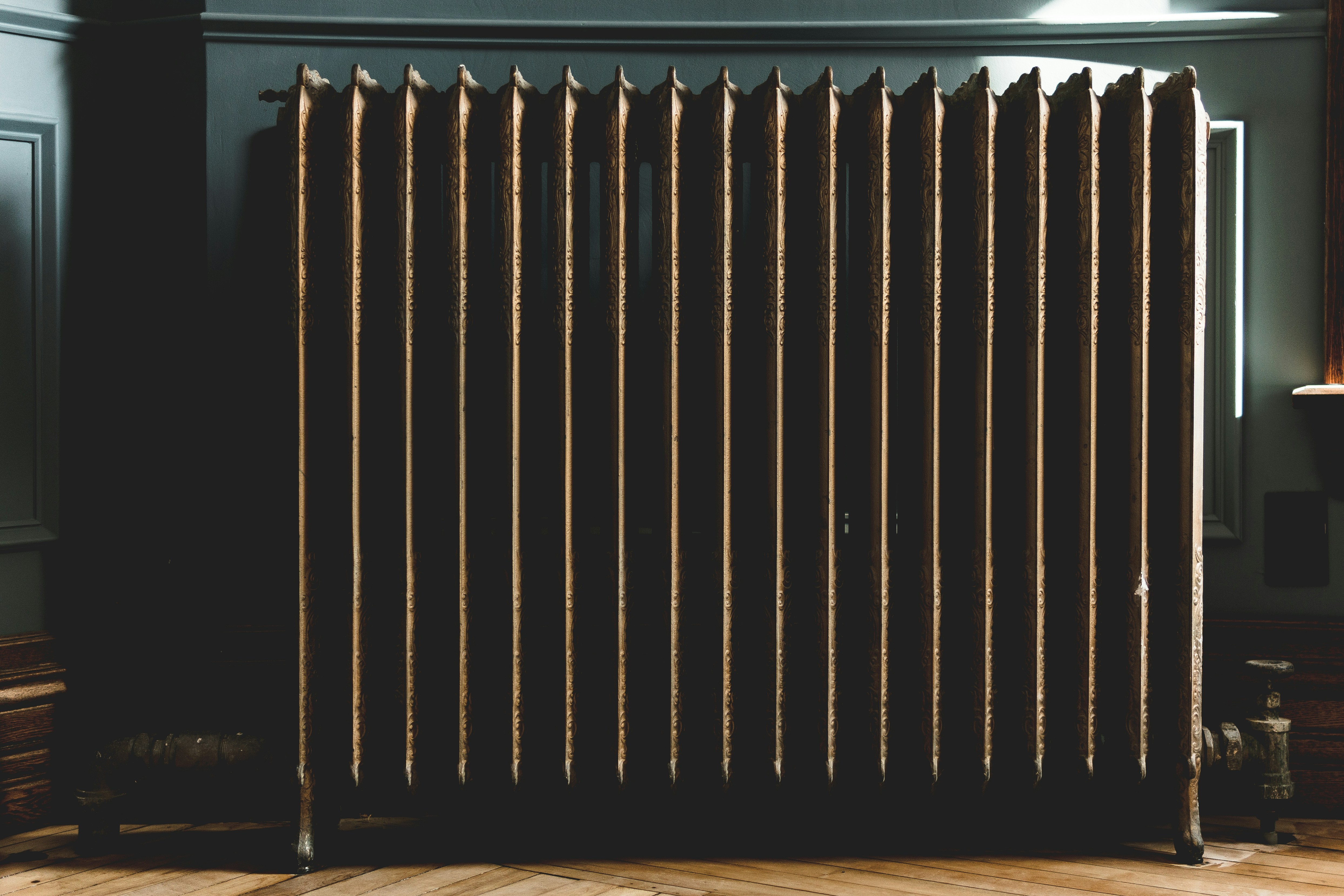

What’s Causing Your Heater Malfunction?

Heating systems have become part and parcel of our daily lives as homeowners. They provide us with comfort and other numerous benefits. That’s the reason why a faulty heater causes much distress. Not only is the repair process hectic, but the consequences could also be dire. This is especially true if the problem occurs at a critical time, like winter. If your heater regularly acts up, this article can help. We’ve listed seven possible causes of heater malfunctions, along with tips on how to troubleshoot.

1. Excessive Mold

img

When moisture builds up, it traps foreign particles like dust in your heating system. Once trapped, the humidity coming from the hot water triggers mold buildup. This may inhibit certain vital parts of your heating unit or block the ducts from releasing the right amount of heat.

It’s also worth noting that moisture accumulation is usually caused by poor insulation, insufficient ductwork, or something as simple as an unkempt space. Being tidy and clean goes a long way to solving this. For example, if you have a heating system in a nursery, you should keep the nursery closet as well as your baby’s clothes, diapers, and blankets far from the heater. It helps to also know how to organize and store baby clothes neatly in it.

2. A Faulty Thermostat

One major culprit when a heater begins to malfunction is the thermostat. Thermostats are the brain of air-conditioning units. They tell the fluctuations in temperature and respond accordingly. They also detect command and prevent the temperature from going beyond its maximum limit. A damaged or wrongly installed thermostat will stop your system from heating or cause it to heat improperly.

3. Dirty Air Filter

img

The air filters in a heating unit are akin to the lungs in humans. These usually get choked with debris and rust over time. When the blockage is large enough, it impedes the operation of your heating system. With a clogged filter, the heater either becomes noisy or blows cold air. Therefore, it’s important to regularly change your filters according to instructions from the manufacturer.

4. Insufficient Fuel Supply

Heating systems are commonly powered by natural gas, electricity, gasoline, diesel, or water. Whatever your energy source is, sometimes, the issue with your heater’s malfunction is something as simple as a fuel shortage or insufficient supply of energy. Checking if your energy supply is adequate is a good start. Also, try to check the energy transmission system is functioning properly.

5. Leaky Ductwork

img

If your heater is not working, it could be that the duct tapes were placed wrongly. This often results in leakages. Depending on where the leakage is, it will prevent the right amount of fuel from getting to your heating system. Invariably, it also inhibits the flow of adequate heat out of it.

6. Unlit Pilot Light

Your pilot light must always be lit. If it’s not, it could either mean that the light is faulty, the transmission is defective, or your energy source is not aptly flowing to it. In such cases, check your transmission sources. If you’re using anything other than electricity, make sure there is a consistent flow of energy. Once this is sorted, if the light doesn’t come on or only stays lit for a short time, you’ll likely need professional assistance.

7. Lack of Maintenance
img

Every electrical device must be treated with the right handling and care. This is necessary for efficiency and longevity. Carrying out regular, periodic maintenance is vital. This helps with the early detection of faults and subsequent repairs, saving you money in the long term.

To sum up, it’s vital to note that most heaters break down simply because there was either little or no maintenance whatsoever carried out. So, it’s important to always seek the services of a qualified HVAC specialist for your maintenance.

Preparing for a Major Move With a Child With Disabilities

Moving is stressful under any circumstance, but if you have a child under your care who’s differently abled, the stress can be compounded. There’s a lot more preparation and work that goes into ensuring a smooth move with your child. It’s even more important to keep track of everything and sequence your relocation in a thoughtful way.

Children are already sensitive to change, and for a child with disabilities, change can be even more difficult, especially if it’s your first time moving. Even with the same belongings, a new place can feel scary at first. Moving cross-country for a job might feel impossible right now, but with help and preparation, you’ll be able to make your child feel comfortable in no time. Here are a few tips that will aid you in a major move with a child who is differently abled.

Create a bond with a new doctor beforehand.

Your child’s health is of the utmost importance to you. Due to how frequently your child has to interface with medical professionals, your child may be hesitant about leaving a doctor with whom he or she has a strong relationship. Doctors have to get up close to children with disabilities, so trust is extremely valuable and important.

Once you’ve figured out the city you’ll be moving to, it’s a good idea to take the time to find an office that specializes in helping children just like yours. For example, if your child has hearing loss or is deaf, finding a location with pediatric audiology that’s a convenient drive from your home is a necessity. It may even help you determine what neighborhoods you should be buying in if you’re not familiar with the area.

Before making the big move, schedule an appointment, so your child can get familiar with the new pediatric audiologist or whatever specialist they’ll be seeing. That way, you can ensure that you like the doctor and that your child is starting to get comfortable with the idea of seeing this new person for their important check-ins. This step is important even with newborns, so you can feel confident about the switch.

Work with a realtor from the start.

If you’re moving to a new area, contacting a real estate agent from the beginning can reduce your stress. You may have specific needs from your new home, like a ramp for your child’s wheelchair or a one-level ranch style house for easy mobility. With an agent, you won’t waste your time on websites looking for homes that aren’t going to work or that will get snapped off the market before you can make an offer. If your agent finds a place they think will work for you, your child, and your finances, they’ll be able to check the place out first and send pictures.

Your agent can sometimes see listings before they’re public, which means you can put an offer and down payment on a perfect home purchase and potentially avoid a bidding war. Overall, working with a realtor is a great idea because they can provide you with mortgage payment calculators and a checklist for first-home buyers, so you’re making an informed purchase and understand the paperwork that’s in store.

Make the move a positive experience.

No matter how much anxiety you’re feeling about the move, it’s best to stay calm for your child. Children often take social cues off their parents in order for them to process experiences. If you act upset about leaving, they’re more likely to be upset. However, if you make the move an exciting adventure and use positive reinforcement, they’re more likely to make an easier transition. Your family members and friends can help you out with this by watching your child during stressful moments, so they’re not overstimulated. It’s also helpful to give your son or daughter something to commemorate the move.

Bribery is usually frowned upon in regard to child-rearing, but there are some small gift ideas that are perfect for the occasion that will help your child feel more confident about the move. For example, one gift idea is that you can give them a “moving buddy.” A stuffed animal can act as a new friend and confidant in a different environment.

Prep the new house before relocating your child.

img

Your best option for moving with a child who’s differently abled is to prepare the space as much as possible before moving in. Make sure any medical equipment you need will already be there, so you don’t have to run around trying to find what box it’s in. If your child is younger, get the shelves put up that display their favorite possessions, and have their bedroom fully prepared, so their first impression of their private space is positive. If you need to downsize their toys, instead of throwing them out, which might cause your child stress during a time of change, try using a self-storage unit until they’re feeling a little more comfortable letting go of old items.

Your life understandably revolves around your child. Even if your child is differently abled, there are still ways to make a big move. By finding your child’s new doctor, working with a realtor, and keeping the situation positive, you and your child are sure to have a great move.

How Important Is Your Home’s Air Quality?

The short answer is extremely. The long answer entails explanations about things like the overall breathability in your home, what kinds of pollutants could be inside, the health risks of unclean air, and even how easily you can sell your home when the time comes. We’re generally aware of the importance of the air quality outside, and most people try not to pollute it too much for fear of choking on smog when they leave the house. However, your indoor environment is just as important, if not more so if you’re a person who rarely leaves the house. This is a situation we all find ourselves in thanks to current COVID guidelines.

Here are just a few reasons why it’s important to maintain good indoor air quality and some things you can do if you find that yours is lacking.

Breathability

Who wants to have breathing troubles anywhere, let alone their own home? It’s possible that you could have poor indoor air without even knowing it. If you find that you commonly cough inside, your air may be tainted with contaminants like dust, pollen, or other allergens. Such things can make it difficult to breathe indoors. They can build up from various factors such as not cleaning out your air filter, tracking pollen inside, or even your HVAC system pulling in contaminants from the outside.

Professional HVAC installation and maintenance are crucial for the maximum breathability to your indoor environment. Poor ventilation helps contaminants build-up, and high temperatures and humidity contribute greatly as well. This means that you should be particularly careful during the summer months to ensure that your air conditioning unit is working properly, and you may even want to invest in a dehumidifier to combat mold and moisture-related contaminants.

Health Issues

Having poor indoor air quality doesn’t just make it harder to breathe; it creates plenty of health risks as well. The pollution of outside air can have long-term health consequences as drastic as the lungs’ rapid aging and an increased risk for lung cancer. There are also many health implications of poor indoor air, and hidden pollutants are all over.

One of the more surprising culprits of indoor pollution is the toaster, which emits a high volume of harmful particles every time it’s in use. Cleaning supplies, which are meant to help remove contaminants, can also negatively affect indoor air quality. Even painting the wall, a new color can have adverse effects. Naturally, things like tobacco smoke only exacerbate the situation even further.

Health effects of poor indoor air include frequent headaches, nausea, respiratory infections, higher susceptibility to viruses, dizziness, irritation of asthma, and more. If you’re looking for ways to purify your air beyond making sure your systems are in working order (be sure the regularly check your carbon monoxide alarm as well), you can be more judicious about your indoor activities and purchase some indoor plants to help clear the air of carbon dioxide and provide more oxygen.

House Selling

Naturally, having unfriendly odors in your home is one of the easiest ways to chase away buyers. Sellers need to be aware of. However, that air quality isn’t just about odors, and some prospective buyers may be able to tell when the air is polluted. Maintaining pure indoor air is one of the best ways to speed up the process of selling your home since it removes any complaints about air, and it’s likely to improve the interior design of your home on top of that.

For example, a home with greenery is often more attractive to buyers, and your real estate agent will thank you for embracing it. If you focus on giving your vents enough space and removing dust and other contaminants from the air, your house will naturally become tidier as well.

Your home’s air quality is crucial to your overall enjoyment of the home, and it continues to be important even after you decide to move out as well.

Do You Need To Sell Your Home Quickly? Read This First

Selling your home is an arduous process. Potential buyers can be indecisive, and depending on the market you’re in, potential buyers may come sparingly. Even if the housing market is booming, it can take anywhere from a couple of months to a couple of years to close on the sale of your home.

Wouldn’t it be great if there were ways to shorten the amount of time it takes to sell your house? While there’s no sure-fire way to guarantee you’ll sell your house quicker, there are things you can do to increase the chances of making a quick sell out of your home. Continue reading to learn some tips to help you sell your home more quickly.

Sell some of your appliances with your home.

One thing many first-time homebuyers tend to worry about is how to furnish their new home. While you probably don’t want to sell your home fully furnished, you can make it more alluring by including some of your household appliances in the sale.

Make some upgrades to your home.

Potential buyers expect to move into a fully functioning home. The last thing homeowners want to do after buying a new home is to start working on renovations and maintenance. Of course, all homeowners eventually have to undertake home renovations and handle regular maintenance, but they shouldn’t have to start on day one. On the contrary, when showing your home to potential buyers, you want to walk them through a functioning home and show them a house ready to live in.

Most air conditioners last for about 10 to 15 years, so if you haven’t replaced your air conditioning system in the last decade, you should consider getting a new unit. Millennials are more environmentally conscious than previous generations, and energy-efficient central air conditioners with the Energy Star logo are better for the environment and energy bill than air conditioners from a decade ago.

Even if you’re not in the market for a new AC system, you should still have maintenance done on your AC system to ensure it’s running at peak performance. If your HVAC system isn’t dispersing cool air, you probably need freon added to it and nothing more.

Roll out the red carpet for potential buyers.

One thing that many homeowners underestimate when they’re looking to sell their home is the power of human connection. A bit of uncommon advice for making a quick sale is to make friends with potential buyers. It’s a good idea to show them how much they could potentially enjoy the home by inviting them to dinner or a cookout with some of your friends in the neighborhood. Who wouldn’t like an opportunity to get to know who their neighbors would be should they buy your home?

In addition to getting to meet some of the neighbors, you’ll also get to give interested buyers a more intimate tour of your home and an opportunity to enjoy a respite from the stress of home buying. If you want to give potential buyers a good reason to fall in love with your home, invite them to see what life could be like for them in your home.

Don’t forget about curb appeal.

When people pass by a home with for sale sign in the yard, the first thing they’ll notice is the yard, and a well-manicured lawn goes a long way. Curb appeal has a lot to do with how people perceive your house to be on the inside, so it would be wise for you to hire professional landscapers to give your front yard some zest.

Start Your Own Farm in 3 Steps

If you’re tired of sitting in an office chair all day, every day, tired of crunching numbers for a living, and want to be out in the fresh air and what you consider your natural habitat, then starting your own farm may be the next logical step for you. High-yield farms can certainly help support you and your family, which has been proven again and again. If you wish you could live a peaceful country life and love the idea of a career that puts you outside and can commune with nature, then read on below for some tips on how to start your own farm and make your dreams come true.

1. Gain some real-world experience first.

img

From the wide-calf over-the-knee boots that some say farmers wear to the city boy that thinks farming starts at noon, there are quite a few misconceptions about what a high-yield farm is and exactly how hard running a farm is going to be. That’s wh not matter how much you’ve always dreamed of owning one of the high-yield farms you’ve heard about; you need to get some real-world experience at running one first.

High yield farming isn’t as easy as it might seem. You have to watch your greenhouse gas emissions and prepare for soil loss, biodiversity, and any types of disasters, federal regulations, and other things that will affect your farmland. It’s best to get real-world experience working at a high-yield farm if you possibly can. Whether you want to open a European dairy farm or an American beef farm, you still need the experience to make it a go.

2. Decide what type of farm you want to start.

img

There are quite a few to choose from poultry farms to beef farms and from dairy farms to crop farms. You can’t run them all, so you’re going to have to decide which type of farming is the right fit for you. The type of farm you choose to start will give you a different type of work to do, so make sure that you choose something you’re going to enjoy. Farming is a job from dawn to dusk, so you’re going to have to be committed, and it’ll help if you love what you do.

It’s also never a good idea to go into debt to start the farm of your choice. It’s important to note that in the last 50 years, being in debt has tanked over half of the new farms, no matter what area they were in. In fact, being in debt has caused more farms to go under than droughts, pestilence, and plagues combined. If possible, save your money to buy the land for your farm and try to pay cash for as much of the equipment, crops, and livestock as you can. It’s best not to start a business in debt if you can help it. There are options out there to help you start your farm without going into debt; you have to know where to find them.

3. Grow what you love to grow.

img

If you love corn and potatoes, then grow corn and potatoes. If you adore horses, then start a horse farm. What is being said is that you need to grow what you love on the farm that belongs to you to be happy with your new business. If your farm is your passion, then it’ll help you get through the days when things aren’t going quite right.

These are just a few steps to starting your own farm that you need to know before you begin. Remember, your farm should be your passion, not just another task you take on.

Smart Ways to Plan an Intimate Evening

Intimacy is at the heart of relationships. Life can get busy and it’s easy to get caught up in the hustle and bustle and forget to spend that important time with your partner. While it may not sound romantic or spontaneous, it can actually be incredibly beneficial to plan out an intimate evening in smart, methodical ways. Take the time to spoil your partner and plan an evening where you can be together without any other distractions.

After all, a romantic night together may be just what the doctor ordered. Couples need to spend that time together and get intimate to keep the flame alive within the relationship. So whether you’ve been together for a few weeks or a few months, it can be a special moment for you to plan out a romantic, intimate evening together. Just be sure you’re taking all the right steps and doing it in a smart way. You don’t want to come on too strong or do anything that could be perceived as inappropriate. Here are a few smart ways to plan an intimate evening that both you and your partner can fully enjoy.

Plan a date.

In movies and TV shows, romance always seems so spontaneous, but it doesn’t have to be. If you’re craving that intimacy with your partner, it may be a good idea to actually schedule it on the calendar. You’re not going to write sexual activity into the calendar or anything, but plan a special night where you have nothing else going on.

Get reservations at a fancy restaurant and plan an actual date night. It’s easy to fall into the pattern of living together and going through the motions of life and a relationship, but if you’re looking to light that spark again, you need to take the time to reengage with each other. Take advantage of special offers to just enjoy your partner’s company and remember to find that intimacy with each other.

Create a romantic menu.

Food and drink can be incredible tools for romance. Whether you’re going out or spending a nice night in, plan a great menu for your intimate evening. Prepare a dish you know they’ll love and make sure you have plenty of good wine. It may even be prudent to spring for some champagne. It doesn’t have to be a special occasion to show the person you love that they are special to you.

In fact, the right substances can actually help to put you in the mood. So make some special cocktails or open that expensive bottle of wine. If alcohol isn’t your preference, maybe you can enjoy a bloom vape together. Try a new flavor on your vape pen to take your night to the next level. Whether it’s your first time trying a vape or you’ve done it before, a nice dose or strain can help you relax and get into the mood.

Prepare for intimacy.

Sometimes there are some extra steps you’ll want to take before you’re ready to get intimate with your partner. That could mean buying new lingerie, going for a wax at the spa, or considering new medications to help your sex drive. Whatever you need, take those steps to prepare for intimacy. For older couples who may be dealing with erectile dysfunction, you may want to consult your doctor about oral medication like Cialis or Viagra to help with blood flow and keeping an erection.

Ask questions like how long does Viagra stay in your system and when you may need further medical attention. Overall, treatment of erectile dysfunction is fairly common and helps men across the globe engage in sexual activity in a healthy way. If you are in this situation, this can be an extra step to take as you prepare for an intimate evening.

Look your best.

When you’ve been in a relationship for an extended period of time, you are comfortable with your partner. You spend your time in sweatpants lounging around on the couch, which is perfectly acceptable. If you’re planning an intimate evening, however, you may want to make a little more of an effort.

Dress up and look your best for your partner. Maybe that involves pulling out that great dress that shows off your cleavage or doing your makeup with the lush lash products that make your eyes pop. By putting some energy and effort into your appearance you’re showing your partner how much you love them and it can make you feel even sexier as well.

Consider a theme.

If you’re trying to spice things up in the bedroom, you may consider a theme for your intimate evening. This doesn’t have to be anything crazy or complicated. Maybe you just want a nice night out at a fancy restaurant or you want to have a boho-chic evening in at home. Consider what the other person may be interested in and plan an evening that follows that specific storyline.

Understand your comfort level.

No matter if you’ve been with someone for a few days or a few years, you always need to maintain open communication when it comes to your sex life. Everyone is going to be comfortable with different levels of intimacy and you don’t ever want to push your partner beyond their limits. Have an open conversation about trying new things in the bedroom or what you’re both looking for when it comes to sexual activity. That discussion will guarantee you are both excited and happy about the future of your intimate endeavors.

Going Out or Staying In?

There is no right or wrong when it comes to your romantic evening. Consider your partner’s personality and what they would want when you’re deciding to go out or stay in. A candlelit dinner at your favorite restaurant can be just as romantic as a home-cooked meal at the dinner table. Whatever you decide, be sure to keep your partner at the center of whatever you’re doing. At the end of the day, the accessories don’t really matter, as long as you are concentrating on them and their needs. That is how you engage with true intimacy.

Home Upgrade Pros and Cons

Home upgrades can be critical to overall comfort and quality of life. They can add to your home’s value and even make a sales listing all the more marketable. At the same time, it can be difficult to know how to prioritize home upgrades. If you’re considering home upgrades and aren’t sure where to start, read on for some home improvement pros and cons.

Heating and Cooling Repairs and Upgrades

img

Start with the basics. For example, when considering pros and cons of a hot water pump upgrade or installation, be sure to give your heating and cooling technicians a call. They’ll be able to help you navigate what you need for your home climate controls, including when it comes to hot water. While upgrading a water heater might not sound like a whole lot of fun, think of the long, hot showers you can soon depend on and you may change your mind. By working with heating and cooling HVAC technicians in all areas of upgrading your home climate and hot water heater, you’ll be living in a more comfortable space in no time.

The pros for staying on top of your heating and cooling needs are obvious. From hot water on demand to faucets, heaters, and air conditioning systems you can depend on, attending to plumbing and other needs is a must before thinking about less important homeowner updates and improvements.

The cons to focusing first on your tankless heater or worrying about energy efficiency are, of course, the money you may have to spend. But attending to these needs may not be as expensive as you think. The best way to find out is to call the professionals. You’ll thank yourself for it in the long run. Having the numbers will help you reach your final decision.

Renovations and Home Improvements

img

Before you worry about buying gifts for your girlfriend to celebrate an upcoming anniversary, consider ways you can make your home perfect for that anniversary dinner. From a kitchen remodel or overhaul to tiny tweaks like fresh coats of paint or a new baseboard, the upgrade options are only limited by your imagination and finances.

The pros of going through each room in your home to decide which upgrades to start with include making better use of your space, increasing your home’s overall value, and making your home more comfortable. The con to exploring upgrade options is that it’s often difficult to know where to start. If this is a challenge for you and your home climate needs are taken care of, think about the rooms you use most. Or, if your goal is to sell your home down the road, start with the kitchen and bathroom, as these often selling points for potential buyers.

Considering Long Term Payoffs

img

The pros of upgrading your home generally boil down to the long term payoffs. That is, in keeping your home up to date and in good repair, you’re adding to your home’s value. But there are other ways to look at your home’s value too. If you don’t plan to sell, think about ways you can add value to your home with upgrades that may not mean more financial value, but the quality of life. Having dependable hot water for showers and baths, for instance. A redone living room where you can have a romantic date night. Something as simple as turning a finished basement into a family game room or reconstructing the number of bedrooms and making bigger spaces by knocking down walls could be a great option for your lifestyle.

The cons of home upgrades come with the time and energy it takes to get the job done. On top of financial costs, the best thing you can do when deciding whether or not to upgrade your home is to take a hard look at the numbers and your overall budget. Some projects just aren’t worth it and are better saved for another time.

In the end, the good news is that it’s up to you to weigh the pros and cons of any home improvements, repairs, or renovations. Whether you’ve been in your home for a long time and have already weighed your best options, or if your home is new, a little research ahead of time, solid planning, and reaching out to professionals will help you to decide what’s right for you.

When Do You Need To Check the Plumbing?

One of the most important responsibilities of any homeowner is to keep a good eye on the air system and water filtration system. Unfortunately, many people ignore potential problems until disaster strikes, whether a new house or an existing structure. To avoid expensive (and potentially dangerous) issues in your new place, especially with your house’s plumbing, here are a few important tips on when to safely check your water supply throughout the year.

How often should you check your plumbing?

While ideal housewarming gifts for men often include new tools or water treatment products for the new home, in most cases, only a professional should attempt to repair your water system. These issues lead to all sorts of expensive problems, such as flooding and water damage. These types of emergencies can be avoided through regular maintenance. Checking on your house’s pipes should remain a top priority throughout the year. You’ll notice if a leak or dripping faucet has sprung up.

Only a professional knows the safest method for leaks located under the house or pipe replacement or repair. There’s a feeling of security in knowing that the job was done correctly.

Common Household Problems

img

Homeowners should look for problems with pressurized water and visibly accessible drains. Typically, even in a new home, those areas are found within the kitchen and bathrooms, and the root of most water supply problems are spotted there. New homeowners should pay close attention to kitchen plumbing, particularly the faucets, dishwashers, and refrigerator. If there’s a second freezer in the garage to store emergency food, that should be checked, as well. The water shutoff valves beneath the sink are the first area for leaks or corrosion or a more serious exposed drain line. If moisture and corrosion are visible, call an experienced plumber for a combination of methods to assess the damage.

Since the kitchen is where you use appliances, cutting board, and do your food preparation, heavy grease buildup, a bad odor from the drain, fruit flies, or leaking drains, all may be tell-tale signs of more serious issues. If the kitchen faucet has been noticeably loose and losing pressure for a long time, it’s time for a replacement.

Having an ample supply of hot water is one of the essentials for your bathroom. Noticing cold spots in the water runoff or slow drains, or your entire family should easily notice leaks. Experts recommend replacing the valves behind the toilet every 5-7 years because of wear and tear. Bathroom leaks can be a time of stress, but they’re no joke, as a leaky toilet can waste more than 2,000 gallons of water annually, driving your water bill through the roof.

When You Need a Professional

img

Leaks in your water heater or hot-water tank can go a long way in causing flooding. The water heater’s age can be a major factor, as units over 6-7 years old may begin to work less efficiently. Water and gas leaks may also lead to major problems, such as the amount of water you’re getting or a frequent power outage. Your water supply’s hygiene and integrity are crucial on the highest level, as dirty water from the sewage lines can lead to microorganisms, toxic substances, or impurities in the water supply, leading to illness or dysentery.

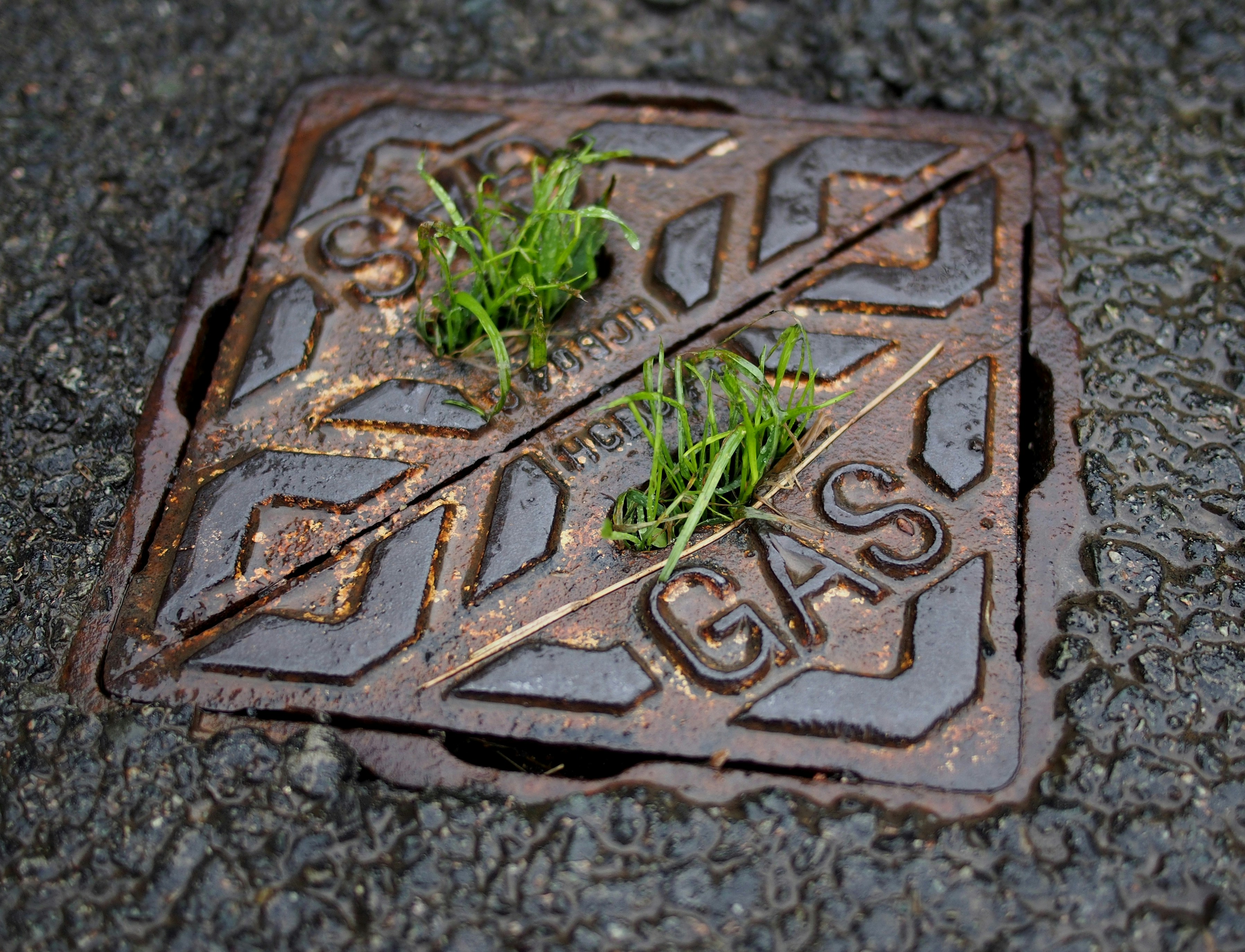
Pay particular attention if a member of your family has noticed patches of dead grass or a bubbling small amount of water on the lawn of your own home, as those are an indication of a gas leak and must be fixed immediately. It’s important to remember, the best solution in avoiding major water damage is inspecting all of the shutoff valves and fixtures in the home regularly. Knowing when to call in a professional plumber is not the last resort but an important way to ensure your family’s comfort and safety.

Budgeting Tips For Moving

When it comes to planning a move, your budget can make or break the experience. Budgeting before a move can smooth the tracks for a seamless transition, giving you and your family the peace of mind needed to enter a new city or home. Without a proper budget, however, you may find the transition painful, long, and difficult. From the addition of house tree plants or succulents to improve the energy and air quality within your home to repair work on the air conditioner or roof, moving requires a strong commitment to budgeting that many movers overlook.

Instead, taking the time ahead of your move to game out all the things you will necessarily have to splash out on as you enter this new phase of your life will help you manage your money, and the stress that naturally comes with this task, far more effectively.

Begin to save more in the year before your move.

Relocating is capital intensive; it’s as simple as that. Whether you are moving to Fort Lauderdale, in South Florida, or away from the Sunshine State to a colder clime, movers all face the challenges of hidden costs and additional time and financial requirements that seemingly come out of the left field. To field these issues efficiently, you need to begin saving specifically for the move in a year or so before taking the plunge. This means setting cash aside every month to cover the cost of hiring movers, car repairs, and home upgrades that may be necessary for the new home – as well as in your old home so that you can take advantage of the highest sale price possible. Buyers have to strike a unique balance between saving and debt reduction in these months, so budgeting for your move a long way out from the actual event is the best way to set yourself up for success in your new home.

Another way to lock in additional capital ahead of a move is to trade in your vehicle for another model. Wrecked cars for sale often offer a dramatic price reduction while giving the buyer a rebuilt vehicle that is reliable and complete with new parts. Finding an older car with a bit of repaired damage can help you soak cash back out of the vehicles sitting on your driveway while giving you a new set of wheels that you can rely on to perform just as well as any new car from a dealership, at a fraction of the cost.

Saving each month is a great way to create additional capital that you will need during this time of heavy spending. It’s simply impossible to fund a move with a month’s salary behind you. Instead, it would help if you were aiming to put away a healthy percentage for twelve or more months ahead of the move – even a modest savings goal of 3-5% of each paycheck will go a long way to helping defray the costs of moving. In addition to this new savings objective, paying down your revolving credit card debt before taking on a new mortgage loan is a great way to improve your long term cash flow. Paying off credit cards is an important step for anyone holding a pile of debt, but it’s essential for those looking for new lines of credit.

With a high debt to limit ratio, you present yourself as a borrower that can’t balance income against spending effectively and pose a greater risk to the financial institution as a result. By paying off your debts before seeking new funding streams, you show the opposite: You immediately become a responsible and trustworthy borrower with the bank’s cash. Indeed a strong credit score and a long history of regular savings can reduce your interest rate and mortgage repayment burden each month, potentially saving you tens of thousands of dollars in the long run.

Cut down on spending.

Like your saving needs, cutting down on your spending in the months before a move is a great way to improve your cash flow and take on the increased expenses of the move itself. Budgeting for a move requires you to shop around for the best deals on everything from movers (See Solomon & Sons at ssrelocation.com for more on the most affordable movers in the U.S. and your area in particular) to new furniture. This commitment to reducing your spending needs to extend out into your other purchasing habits as well. Grocery shopping is one area where severe reductions can be made in the blink of an eye. Grocery stores play psychological tricks on their customers, and each time you enter your preferred store, you are being lured into overspending on the items you need – as well as the things you don’t.

Shoppers benefit the most when they bundle up, bring an organized list, and wear headphones while browsing. This is because the grocery stores all around the United States and abroad enlist the same subtle tricks to get you to spend more time within their walls. Items staples among shopping baskets are separated along with the four corners of the facility (meats, dairy products, and fruits and vegetables), and the store is typically kept at a bristling cold temperature. Along with key product placement of items that provide the highest markups and the slow music, stores aim to get you walking through the aisles as slowly as possible to wear down your inhibitory response to impulse spending. At about the 20-minute mark, shoppers become the most vulnerable to simply picking up items appealing to their impulse rather than their shopping list. Get in, fly through the aisles to complete your list, and then get out; this is the best way to save while doing your weekly shop.

Each of these tips will combine to help you prepare for your move. Alone, they act as high-quality, saving advice to get your cash flow and emergency savings account off the ground. Still, together, a series of powerful budgeting measures can really make a difference as you prepare for this exciting new chapter for your family.

Common Ways To Streamline Manufacturing Operations

When it comes to running an effective manufacturing business, efficiency is key. The speed with which you can produce goods is only part of the equation when it comes to creating an efficient manufacturing pipeline, however. Accuracy and precision are just as important to consider, as is volume. All of these factors come into play when it comes to scaling up your business in the midst of a large order or impressing a new client with just how productive your manufacturing plant is. Especially if you have tight turnaround times when it comes to the distribution needs of your clients, efficiency becomes even more important.

So, how does one go about streamlining their manufacturing workflow in order to effectively accommodate all of these different factors and tasks? A good way to think about streamlining is to focus on a different step of your production process at a time. Focusing on individual components in development, packaging, or formulation, for example, can be a huge help in wrapping your head around how to best transform your manufacturing efforts. Read on to learn more about a few different strategies and concepts that can play a vital role in helping you streamline your manufacturing operations.

Before you begin, ensure that your goals are realistic.

img

Goal setting is an important part of any business, and if you have manufacturing goals it’s a good idea to ensure that you’ve clearly defined them and know that you’ll be able to realistically achieve them. For example, if you need to speed up how you package your products, knowing what your machinery is capable of is important before you decide that you’re going to implement a new system in order to streamline this aspect of your production pipeline. You may decide that it makes the most sense to pick a specific methodology or framework for goal setting as a way of splitting up specific goals across each quarter and aligning all aspects of your process towards a larger goal.

The OKR system of goal setting is one such methodology to achieve these sorts of strategizing. The OKR framework stands for objectives and key results, the two details that must be defined in order to ensure that your KPIs are aligning with your desired outcomes. If you want to learn more about how to go about implementing the OKR process in your production process, it might be useful to listen to an episode or two of a WorkBoard OKR podcast. An OKR podcast can give you a lot of information about whatever platform you’re using for goal setting, regardless of whether or not you’re using WorkBoard or another software solution.

Search for end-to-end solutions to cut down on the time between production steps.

img

When it comes to good manufacturing practices, who you’re using for each step is just as important to streamline your workflow as any of the other suggestions on this list. For example, if you’re a supplement manufacturer creating capsules and powders, you may have a few different businesses you work with in order to create quality products. If you contract to manufacture your products, the more companies you contract with, the bigger the chance of a company holding up the entire process. As such, it’s important to pay attention to the companies that you work with if you really want to increase your results velocity.

Continuing with the example of a supplement manufacturer, whether you’re producing beverages, gummies, or other dietary supplement products, an end-to-end solution can make your entire process much more streamlined since you’re only managing one account with a single dietary supplement manufacturer instead of jobbing out different aspects of the development your nutritional supplements to other companies to handle packaging, order fulfillment, graphic design, or quality testing products for any defects. Especially in industries where you need to comply with regulations from agencies like the Food and Drug Administration, having one company handle all of your manufacturing operations means that even for high-scale companies like large enterprises, it’s much simpler to tackle new approaches or focus on continuous improvement since you only need to stay in touch with only one account manager on a daily basis.

Don’t be afraid to consult with experts about how to best proceed.

img

Even the best business leaders can benefit from talking to other experts, so don’t think that it’s a sign of weakness if you want to consult with a different business about finding new results management solutions for revolutionizing your business. While a common method for working with consultants is to speak with them one-on-one, another option to consider is attending different training programs in order to gain greater clarity about best practices as you work to streamline your business.

One type of training that might make sense is a 5s program. 5s lean training programs help you eliminate waste in your business and become more sustainable in your practices moving forward. The 5s methodology is a helpful way to look at restructuring your existing work environment so that you can be confident that your employees are having their own needs met while you pursue other best practices to ensure that your products are of the highest quality and you’re able to adequately measure results.

As you can see, there’s no one size fits all approach to streamlining your production pipeline. While some industries, such as the supplements field, may find end-to-end solutions helpful for the production of capsules, tablets, powders, and more, other industries may not be able to find such specialized services for your business. That being said, the above ideas are certainly helpful when it comes to brainstorming different ways to streamline your manufacturing process since most of these concepts are helpful at least in some part for a broad range of industries. The important thing to remember is that if you make a plan and work to achieve it, you’re bound to find success when it comes to streamlining any operation in your business, regardless of whether or not you’re looking to improve your manufacturing process or a different aspect of your company’s workflow.

The Ins and Outs of Home Security

Keeping your home secure is a constant thought for most homeowners. Whether you are dealing with increasing crime or violent weather systems in your local area, home security is an ongoing project that millions of homeowners must struggle to keep up with.

Home security fits within these two broad categories of human threat and maintenance requirements, and it’s often helpful to keep these in mind when approaching any home repairs or upgrades in order to maintain the highest standard quality of your home. This will provide increased peace of mind for you and your family for years to come — which is an invaluable thing for any homeowner.

Secure your home against the threat of break-ins.

If you live in Arizona, for example, home security in Tucson is a great place to start. The first component of a home security system is to protect against malicious intent. Homeowners in Arizona are using modern technology in keeping their property safe. These include motion sensors and lighting to ward off potenetial intruders and security cameras with specialized night-vision lenses. Another highly-regarded tactic is the use of the security system sign.

Security systems are often woefully underprepared for the breach of the home’s perimeter by burglars or other intruders. Response times by fire and police officials can often be too little too late, and there can often be alarming issues with the “chain of custody” when it comes to the installation of a home security system that is managed by a larger security firm.

Many homeowners are opting to conduct their own security installations instead and for good reason. DIY solutions are often far more reasonably priced and they typically work better in solving the problems that you are facing. Home security cameras can often be wired in an afternoon and don’t require access by third-party technicians that you cannot possibly hope to vet yourself before allowing access to sensitive areas of the home.

Indeed many homeowners even find that mock cameras and the planting of a simple ADT or Brinks sign in their home — without the actual protection services offered by either company or one of their competitors — is enough to deter all but the worst crime.

The truth is this sliver of criminal activity happens at random and will persist regardless of a community’s dedication to security measures. Preventing the mainstream criminal activity is the goal, and can be accomplished with your standard homeowner-led installations in most cases.

Protecting your home from the elements is a tough job as well.

Criminal activity is not the only game in town when it comes to threats to your property and livelihood. Natural disasters, particularly violent rain or snowstorms, and even hurricanes, tornadoes, or fires can wreak havoc on a home and its residents. Homeowners will need to combine a three-pronged method in order to defeat these threats to their peace of mind and comfort.

The first element of this strategy is financial planning. Homeowners all across the country know that trouble can present itself suddenly and without any prior warning. Most often, this happens during a storm or other weather event, but an air conditioning unit or window can simply fail without a major event taking place. Building repair work into your budget every month is the best way to prepare for an issue that threatens your home’s comfort. Most months, this savings pool will remain untouched, but when a disaster does strike your home you will be prepared for the emergency and will not have to dip into credit card availability or borrow from friends or family in order to put your life back on track.

Similarly, planning for storage is an important aspect of homeownership. In the event of a major threat to your community, keeping storage space available for your most precious belongings is the only way to ensure their continued protection while your home remains under threat.

If you live in Texas, searching online for “Houston storage prices” will yield you information on locations, pricing, and inclusions at dozens of local storage facilities. Each space offers a different combination of services; but for most, a climate-controlled facility that operates 24-hour access will offer the greatest mixture of security and access that brings moisture and humidity protection to bear with its climate-controlled offering. These types of facilities are perfect for storing important documents, pictures, memorabilia, and your more expensive garments like coats and scarves.

Utilizing self-storage is a great way to stave off the need to buy new clothing or search for ways to replace those antique prints of family members that were hanging on the walls. Family heirlooms are a devastating loss, but without an outlet that you trust for clothing like jeans, shoes, and stylish jackets, you will be stuck paying back credit card debt for all new purchases along with any repair costs that your family finds itself saddled with. Make sure you take secure storage seriously when planning for the worst.

Finally, your home requires regular maintenance in order to protect it from all but the worst that Mother Nature can throw your way. Keeping up with your home’s repair work and maintenance requirements is simple if you stay ahead of the curve. This means having your AC unit checked every year, climbing up on the roof to clear your gutters of the debris that builds up, as well as checking on your windows, foundation, and walls for cracks or other signs of damage. Maintaining a home and protecting it against the elements doesn’t have to be hard work, just something that must become a habit.

Securing your home against the threats in your local area starts with the obvious solutions in home security systems. But this is not where your strategy for protecting your family, belongings, and livelihood should end. You must evaluate all the possible traumas that could come to your home and the belongings that it protects in order to shield yourself against the wide variety of issues that could cause trouble in your locality.

How to Pack Your Belongings for a Long-Distance Move

So you’re planning a cross-country move? That is an exciting step on your life journey that can bring about so many new growth opportunities. Whether you’re moving for a job, to be closer to family, or just because you’re ready for a change, you’re probably eager to get started on this new path. However, you have to get there first.

Packing up your life can be a stressful and overwhelming affair. You truly never really understand how much stuff you have until you get ready to move it across the country. Now, there are ways to make packing for your long-distance simpler and more reasonable. First, you need to stay organized and prepared to protect all the most valuable items to you. You’ll also want to plan out a bit of your new space to make sure everything making the journey will fit into your future home. As you’re preparing for your move, remember to take a few deep breaths and commit to taking things a little bit at a time. That plus these tips and tricks will help you have a smooth and easy movement across the country.

Be careful with your valuables.

If you’ve moved before, you understand the need to keep all your belongings safe and secure. Well, a long-distance move makes this all the more important. Take extra care packing up your value with extra padding and bubble wrap to make sure everything makes it the whole way.

Some valuable items are a little small and have the threat of being lost. Necklaces or diamond earrings, or fancy broaches may have sentimental as well as monetary value. Keep on top of where these smaller items are going. When you have a necklace that you love, you want to travel it safely. Maybe these special items can stay in your overnight bags or in smaller boxes that you’ll drive in your own car rather than going with the moving truck.

Have a set suitcase of easily accessible items you’ll need.

Nothing is more frustrating than packing up your life and then realizing you need an item hidden away in a box somewhere. As you’re preparing for your long-distance move, be sure to keep at least one suitcase or box of relevant, easily accessible items. Things like your paperwork, packing materials, and travel needs will be good to keep in one central location. It can be good to consolidate for this bag as well. If you need clothes, you may as well pack your dress with built in bra so you can save on one extra thing to back. It would help if you had stylish outfits planned for the days you are traveling, which may be a great option for you.

Plan to move your pets.

When you’re moving, you aren’t just moving yourself and your family, but you’re moving any pets as well. Be prepared to take extra steps to get your animals situated for a long drive and cross-country trip. Some pets can easily survive the journey. A dog can hang out in the back seat of a car with no problem, and cats are usually contained in a carrier for a while. Certain animals may need a little more planning, however. For example, reptiles are cold-blooded, so they can’t be without their heat lamps for too long. Traveling a crested gecko will require special attention, heat pads, and feeding techniques. Just be sure to do your research on how to get your furry, feathery, or scaly friends through a long drive.

Label everything you are packing.

Organization is key when you are planning a big move. As you pack boxes, try to keep them specifically labeled. That way, you’ll know where everything is when you get to your final destination. It can also be useful to add your name to all your items. Movers will sometimes take more than one family’s possessions at once, and you don’t want to be dealing with a situation where you have missing boxes that were dropped off somewhere else. Cover all your bases and label what you can.

Estimate costs and find the best movers.

Speaking of movers, they can be accommodating during your long-distance move. Bring in several companies to give you different estimates of how much your move will cost you. Then you can decide what company seems the best for you to go with. You want a team that will work with you and guarantee your items will all reach their destination without a scratch.

Know what you’re packing; keep a list.

Another thing to do when you’re packing is to keep an inventory of all your items. This way, you’ll know if anything goes missing during transit. It can also help you to match your list with the boxes you’ve already labeled. Having an inventory sheet will save you time and effort once you get to your destination because you’ll be able to find things so much quicker and make unpacking a breeze.

It’s okay to get rid of some stuff.

As you prepare to move, the sheer amount of stuff you have can seem overwhelming. It may be time to consider exactly what items you need and what you can do without. You don’t want to travel all this stuff across the country only to put your furniture in the garage or have to store your clothes in a storage unit. While those can be valid options, you want to be practical about how much space you need and what items you actually use daily. If it’s been sitting in the back of the attic and hasn’t been used for years, consider getting rid of it.

Plan where everything is going and pack accordingly.

A great packing tip is to actually plan out where items are going in your new space. That way, movers can unload per room, and you won’t have a ton of confusion with your unpacking process. Keep your boxes organized by room, and be prepared where pieces of furniture will end up.