Smart Savings: How to Find Stylish Coats and Jackets for Men on a Budget
Finding the perfect balance between style and affordability can be a sartorial challenge, especially when it comes to men’s outerwear. Coats and jackets are essential wardrobe items that not only provide warmth but also finish off an ensemble with a touch of sophistication. However, quality outerwear often comes with a hefty price tag that can strain your finances. Fear not, because there are numerous strategies to secure stylish and high-quality clothing without breaking the bank. Keep reading to discover how savvy shopping can lead to impressive savings.
Navigating Online Deals and Discounts for Men’s Coats and Jackets
Online shopping has revolutionized how we approach finding deals. Virtual stores are constantly competing for your business, which means frequent sales and coupon promotions. To take full advantage, subscribe to deal aggregation sites or use browser extensions that automatically apply the best discounts at checkout for online purchases.
In addition to store-wide sales, look for online-exclusive offers. Some retailers promote discounts that are only available through their websites. These can include flash sales, BOGO deals, or special discounts when you buy multiple items. So, keep your digital eyes peeled—timing is everything when it comes to these quick deals.
Online marketplaces such as eBay or Amazon can be gold mines for discounted outerwear, offering both new and pre-owned options. Additionally, apps and social media platforms now host live shopping events where influencers partner with brands to offer exclusive deals. These real-time events often include limited offers that aren’t available anywhere else.
Mastering the Art of Thrifting: Men’s Edition
Thrifting has surged in popularity as a fun and eco-friendly way to shop for clothing, including men’s outerwear. Secondhand stores, vintage shops, and consignment shops often have unique pieces at incredibly low prices. A keen eye can spot high-quality brands amidst the racks of gently used items, offering significant savings over buying new.
When thrifting, it’s important to inspect each item carefully for signs of wear and tear, such as fraying seams or missing buttons. However, don’t be deterred by small flaws; simple repairs or minor alterations can restore a secondhand coat to its former glory. Moreover, these simple fixes are often much cheaper than purchasing a brand-new item.
Community garage sales and online classifieds can also be unexpected sources for finding high-end coats and jackets at a steal. Local listings may include wardrobe clear-outs from fashion-forward individuals, giving you the chance to snag a remarkable deal. Always meet in public spaces for safety and examine the item thoroughly before committing to a purchase.
Seasonal Shopping Strategies for Cost-Effective Men’s Fashion
Timing your shopping sprees to coincide with seasonal trends can result in substantial savings. Most retailers rotate their inventory according to the seasons, which means they’re eager to clear out the old to make space for the new. As a season draws to a close, prices on remaining stock are often slashed to ensure a quick sale, allowing customers to save big on otherwise pricey items.
Another aspect of seasonal shopping is being aware of fashion cycles. Outerwear trends can fluctuate, but purchasing off-season items can save you a considerable amount. For instance, buying a winter coat during the summer or a rain jacket in the height of winter can seem counterintuitive, but these products will often be at their lowest prices during these off-peak times.
For fashionable gentlemen looking to save on stylish coats and jackets for men, establishing a close relationship with their favorite stores can be rewarding. Partaking in exclusive loyalty programs and being a regular customer often leads to personalized offers and previews of upcoming sales, tailoring the shopping experience to your benefit.
Care and Maintenance Tips to Extend Your Outerwear’s Lifespan
Securing a great deal on a stylish coat or jacket is just the first step; maintaining its appearance and durability is essential. Proper care can extend the life of your outerwear, leading to greater savings over time. Always read the care label and follow the manufacturer’s instructions, whether it’s about washing, drying, or ironing the garment.
Storing your outerwear correctly is also crucial, especially for items that are not used year-round. Invest in quality hangers that maintain the shape of your coats and store them in a cool, dry environment. For seasonal storage, consider using breathable garment bags to protect against dust and pests while keeping your jackets in pristine condition.
Altogether, a combination of informed shopping techniques, proactive care, and mindful maintenance ensures that you will enjoy stylish and high-quality men’s outerwear without emptying your wallet. By incorporating these practices, you can build a wardrobe that is both fashionable and economical, proving that style does not need to come at a premium.
Are you wary of your vehicle‘s security when parked or concerned about capturing crucial evidence while driving without draining your car’s energy reserves? This guide dives deep into the world of battery-powered dashcams, offering solutions that prioritize longevity and efficiency. Readers will discover how to select and install a dash cam that minimizes voltage consumption, extends energystorage, and ensures your mobile phone stays charged for more important tasks. From expert tips on maximizing battery life to solving frequently encountered issues, this guide promises to equip vehicle owners with the knowledge needed for optimal dash cam performance.
Discovering the Advantages of Battery Powered Dash Cams
Battery powered dash cams offer unique advantages over their hardwired counterparts, not least the ease of wire-free installation that can significantly reduce setup time. When users compare these wireless models to traditional hardwired systems, they often notice an improvement in flexibility and portability, allowing for quick transfers between vehicles. This section sheds light on how the use of battery powered units with features such as variable frame rate, robust night vision, WiFi connectivity, and models from leading brands like Nextbase, align with specific policy requirements while providing a dependable surveillance solution. By exploring the benefits detailed in the subsequent sections, prospective buyers can make an informed decision on whether a battery powered dash cam fits their needs.
Understanding the Benefits of Wire-Free Installation
The wire-free installation of battery powered dash cams presents a significant advantage, especially for users who prioritize ease and convenience. Without the need to connect to the vehicle‘s electrical system, these cameras offer a hassle-free setup that can be completed in minutes. The incorporation of Exmor sensors ensures superior image quality, pivotal in capturing clear, detailed footage at varying speeds. This plug-and-play approach not only simplifies deployment in multiple vehicles but also eliminates the need to disrupt the car’s interior, making it an ideal solution for drivers who value both aesthetics and functionality.
Comparing Battery Powered and Hardwired Dash Cams
When evaluating battery powered dash cams against their hardwired counterparts, a critical distinction emerges with respect to power sourcing and functionality. Battery powered variants derive energy from an internal source, enabling users to mount the cam easily at the front of the vehicle without tapping into the electricity system under the engine hood. This contrasts with hardwired cams, which necessitate a direct link to the car’s power, often requiring professional installation. Innovations in battery powered technology now frequently include high dynamic range and infrared capabilities, ensuring exceptional image quality in varying lighting conditions, an aspect crucial for comprehensive surveillance and incident recording.
Assessing the Flexibility and Portability of Wireless Models
The flexibility and portability of wireless battery powered dash cams cater to a diverse range of vehicles, from private cars to commercial trucks. These devices, often equipped with long-lasting lithium batteries or capacitors, excel in scenarios requiring quick deployment or transfer between vehicles. Truck drivers, in particular, benefit from the ease of using a dash cam that records onto an SD card without the constraints of wired systems, while the inclusion of robust lithium iron phosphate batteries ensures reliable operation across a wide temperature range.
Choosing the Perfect Battery Powered Dash Cam for Your Needs
Selecting the ideal battery-powered dash cam requires careful consideration of several factors to align with personal needs and vehicle characteristics. Identifying essential features, such as 1440p video resolution and adaptive lighting adjustments, sets a foundation for assessing video quality and recording options. Furthermore, understanding the practicalities of battery life and charging methods is critical for ensuring uninterrupted operation. Prospective buyers should also explore GPS capabilities and connectivity functionalities, which enhance the utility of the dashcam. Additionally, reading user reviews and expert insights can provide valuable context for the reliability and performance of different brands and firmware versions. This section aims to guide readers through these considerations to aid in a well-informed dashcam selection.
Identifying Essential Features to Consider
In the quest for the optimal battery powered dash cam, essential features must not be overlooked: foremost among these is the absence of a power cable, enhancing the unit’s wireless nature and user mobility. Additionally, superior Sony sensors are vital for capturing crisp images, crucial when recording license plate details and accidentinformation. This information serves as both a legal safeguard and a means to inform insurance claims, showcasing how instrumental these features are in a quality dash cam purchase.
Evaluating Video Quality and Recording Options
When choosing a dash cam, one’s assessment of video quality and recording options should be thorough. High-definition resolution is essential for capturing clear images that can be crucial under the scrutiny of law, particularly during motion-triggered events. Feedback from users often highlights the utility of a camera with a mobile app integration, simplifying the management and retrieval of footage. The clarity and reliability of video recordings serve not just for legal protection but also to provide peace of mind to the driver, making these factors paramount in the evaluation process.
Considering Battery Life and Charging Methods
When considering the purchase of a battery powered dash cam, it is crucial to understand the nuances of battery life and the methods for charging. Dash cams with a supercapacitor are often the preferred choice for individuals seeking longevity and reliable performance in extreme temperatures, as opposed to traditional lithium–ion batteries. Evaluating the durability and lifespan of the power source in relation to a user’s typical driving routine can dictate the frequency of charge cycles. In addition, connecting features such as Bluetooth and an integrated microphone can also impact battery life. Therefore, pairing the dash cam with a high-capacity memory card ensures continuous recording without the worry of power loss, while some models offer the convenience of charging via a standard mirror mount, seamlessly integrating with the vehicle‘s design.
Exploring GPS and Connectivity Functionalities
Integrating GPS into a battery powered dash cam brings the added advantage of tracking a vehicle‘s location and speed, which can be crucial in the event of an incident. Moreover, when paired with connectivity options such as Wi-Fi or Bluetooth, the dash cam ensures that data is not just stored on the dashboard device but can be seamlessly transferred to a smartphone or storage service at the touch of a button. For the budget-conscious buyer, prioritizing models with these functionalities strikes a balance between cost and added value, offering peace of mind that comes from knowing the exact conditions surrounding any vehicular events.
Reading User Reviews and Expert Insights
Perusing user reviews and expert insights offers an insightful window into the performance and reliability of battery powered dash cams, lending credence to claims about video quality and safety. An external battery for a dashcam, akin to those used for GoPro cameras, often garners particular attention for its role in extending operational time. These user testimonials and professional analyses are invaluable resources, providing potential buyers with a comprehensive understanding of product intricacies before committing to a purchase.
Installing Your Battery Powered Dash Cam With Ease
Installing a battery powered dash cam need not be a complex undertaking. Preparing the vehicle for setup, positioning the camera on the windshield for ideal dash cam footage, configuring the device securely without permanent alterations, and ensuring the system’s functionality are all pivotal steps. These processes not only preserve the action camera‘s life expectancy but also optimize its usefulness relative to price. The upcoming sections will unpack these topics in detail, providing valuable insights into achieving a smooth and stress-free installation.
Preparing Your Vehicle for Dash Cam Setup
To prepare your vehicle for the installation of a battery powered dash cam, begin by selecting a prime location on the windshield that will not obstruct your view while driving. It is critical to ensure the chosen spot provides a clear field of vision for the sensor and promotes optimal image stabilization through the cam‘s lens. Lastly, clean the area thoroughly to secure a strong adhesive bond for the cam‘s mounting, which is integral for a seamless installation that is free from visual impediments and operational interference.
Positioning the Dash Cam for Optimal Recording
Properly positioning the dash cam within a vehicle is essential to maximize the utility of the lens and the quality of the footage captured. An optimal placement ensures the road ahead is recorded in comprehensive detail, offering evidence in case of incidents. When considering the sale price of a dash cam, buyers should ascertain that the device comes with a mount that affords a clear and unobstructed view, while also enabling easy access to storage and fuse options, thereby enhancing the value and functionality of their investment.
Securing the Device Without Permanent Fixtures
Securing a battery-powered dash cam in one’s vehicle can be achieved without permanent alterations, ensuring the backup camera can easily be removed or adjusted as needed. Manufacturers provide mounting solutions that utilize suction or adhesive to affix the cameralens in a position that optimizes the field of view, without damage to the vehicle‘s interior. This non-invasive installation is particularly beneficial for drivers looking to avoid impacting their insurance policies or lease agreements, thus maintaining the car’s integrity while still capturing critical footage on the road.
Testing Functionality Before Hitting the Road
Prior to embarking on any journey, it’s essential for drivers to test the functionality of their battery powered dash cam to ensure visibility and performance are up to standard. Activating the camera to verify the high frame rate and clear image capture, as well as the proper functioning of any integrated technology such as radar detection or voice control with Amazon Alexa, readies the driver for a secure transit. This crucial step confirms that the dash cam will provide the expected surveillance, capturing every critical moment on the road with precision.
Maximizing Battery Life in Your Dash Cam
Ensuring the longevity of a battery powered dash cam hinges on strategic management of power settings. Adjusting device settings through the menu can significantly extend the camera‘s operational period, while engaging sleep mode and motion detection features bolster efficiency, preventing unnecessary battery drain. Staying vigilant with firmware updates maximizes the cam‘s energy usage; this, coupled with external power options such as a Garmin-connected battery pack, can enhance performance. These strategies enable users to streamline energy consumption, maintain device functionality, and ensure a seamless connection with a computer or smartphone for optimal monitoring of vehicle surroundings.
Adjusting Settings to Conserve Energy
Conscientious adjustment of power settings on battery powered dash cams can markedly enhance their efficiency, particularly for motorcycle enthusiasts seeking to capture wide-angle views without frequent recharging. By calibrating the camera to respond only to significant motion or vibration, users can conserve energy that would otherwise be depleted on superfluous recording. Moreover, adjusting brightness and turning off unnecessary Wi-Fi or internet connectivity extends battery life, ensuring that the camera remains operational throughout long journeys without the need for a laptop or alternate power source. This strategic approach to energy management not only prolongs battery life but also maintains the device’s readiness to record critical road events.
Utilizing Sleep Mode and Motion Detection Features
Activating sleep mode and employing motion detection features in 1080p battery powered dash cams ensures minimal drain on the power supply. By configuring these settings, users benefit from the cam‘s ability to intelligently determine when to activate 2ch recording, thus conserving energy when the vehicle is stationary. This efficiency not only extends the camera‘s uptime but also facilitates the practical use of cloud storage solutions, allowing users to store and access footage remotely without worrying about depleting the dash cam‘s battery prematurely.
Keeping Firmware Updated for Efficiency
Maintaining the latest firmware in battery powered dash cams is essential for optimal efficiency and performance. Drivers across the United States have discovered that updates often enhance the photography capabilities of their dash cams, ensuring higher quality evidence in the case of an accident. Manufacturers continuously improve the software that manages ion batteries, helping to extend the life of these rechargeable batteries. Staying current with firmware releases can lead to a reduction in energy consumption and the need for less frequent charging, an advantage for any user seeking convenience and reliability from their dash cam investment.
Exploring External Power Solutions
Exploring external power solutions offers a reliable way to augment the accessibility and surveillance capabilities of a battery powered dash cam, especially when operating in high temperatures or during collision events which demand more power for 4k resolution recording. Pairing the dash cam with an external power bank specifically designed to withstand heat fluctuations, or using a hardwiring kit for uninterrupted power supply, ensures seamless operation and constant readiness to capture critical footage, effectively addressing the user’s need for extended surveillance functionality without worrying about battery depletion.
Reviewing the Best Battery Powered Dash Cams on the Market
In the pursuit of the finest battery powered dash cams, prospective buyers must navigate a landscape saturated with diverse models and features. This section delves into the industry’s leading dashcam options, spotlighting their varied functionalities including memory capabilities, USB connectivity, advanced light sensors, touchscreen interfaces, and more. The forthcoming analysis not only compares prices and warranty offerings but also equips readers with the insights to discern the best value dashcam within their budget. The subsequent reviews and comparisons will provide a detailed look at top contenders, helping buyers make an informed decision tailored to their surveillance requirements.
Highlighting Top Models and Their Features
In the competitive market of battery powered dash cams, top models like the Garmin Dash Cam Mini stand out for their compact size and discreet design. These devices leverage state-of-the-art technology, offering high-resolution recording capabilities and innovative features such as collision detection and automatic incident capture. The user experience is further enhanced with intuitive apps that streamline video playback and sharing, meeting the demand for both convenience and security on the road.
Comparing Prices and Warranty Options
When selecting a battery powered dash cam, cost considerations and warranty options emerge as significant factors for the buyer. Prices for these devices can vary widely, with premium models offering advanced features and extended warranties that promise added security and cost-effectiveness over time. It is critical for consumers to compare not only the upfront price but also the longevity and coverage provided by the warranty, ensuring that their investment is protected against potential defects or malfunctions.
Selecting the Best Value for Your Budget
Selecting the best dash cam that fits within one’s budget requires balancing cost with a comprehensive assessment of features and longevity. Prospective buyers should scrutinize each model for core functionalities such as clear image resolution, storage capacity, and ease of installation, which directly impact the dash cam‘s value proposition. Considering these parameters alongside warranty coverage and the manufacturer’s customer service reputation can lead to a smart investment, providing the consumer with a reliable safety tool without overspending.
Troubleshooting Common Issues With Battery Powered Dash Cams
Even the most reliable battery powered dash cams can encounter issues, necessitating effective troubleshooting strategies. This section guides users through resolving common power and charging problems, ensuring their device remains operational. Additionally, it addresses potential recording and playback issues, which can be critical for reviewing footage. When these steps are insufficient, contacting customer support for assistance is a recommended course of action. With these practical insights, users can enhance the performance and reliability of their dash cams.
Resolving Power and Charging Problems
Resolving power and charging problems in battery powered dash cams typically involves checking the integrity of the power source and the connection points. Drivers may need to inspect the battery for any signs of swelling or damage, ensure contacts are clean, and verify that any charging cables are firmly connected and not frayed. Occasionally, a simple reset of the dash cam can rectify charging issues, restoring normal function. By methodically ruling out these common concerns, individuals can often quickly return their device to full operational status.
Addressing Recording and Playback Issues
When encountering recording and playback issues with battery powered dash cams, users should first ensure that the SD card is neither full nor corrupted. If problems persist, reformatting the memory card frequently resolves the issues, though it is recommended to save any necessary footage before proceeding. Additionally, owners should check for firmware updates, as manufacturers may release software improvements that enhance the functionality of the dash cam, such as fixing known bugs that disrupt recording and playback capabilities.
Contacting Customer Support for Assistance
When faced with complex issues that resist basic troubleshooting, contacting customer support offers a lifeline for users of battery powered dash cams. The support team, typically well-versed in the product intricacies and technical solutions, provides tailored assistance, ensuring that drivers can swiftly return to a state of optimal dash cam functionality. Experienced professionals guide the cam user through diagnostics and problem-solving, imparting not only immediate resolution but also equipping them with knowledge to avoid similar issues in the future.
Conclusion
Battery-powered dash cams offer unparalleled convenience and flexibility, with wire-free installation and ease of transfer between vehicles being paramount benefits. Ensuring optimal video quality, battery life, and additional features like GPS and Wi-Fi functionality are key considerations when selecting the right model. Regular updates and the use of power-saving settings can dramatically improve a dash cam‘s efficiency and longevity. This guide serves as a critical resource, equipping users with the necessary information to make informed decisions about investing in a reliable surveillance solution for their vehicular needs.
Upgrade Your Older Home with Smart Tech: Expert Tips for Modernizing | Smart Home Technology for Traditional Houses
Upgrading Older Homes With Smart Home Technology: A Seamless Integration Guide
Upgrading older homes with smart home technology may seem daunting, but it doesn’t have to be. Surprisingly, a significant percentage of homeowners feel overwhelmed when faced with integrating new devices like sensors and smart assistants such as Amazon Alexa into traditional settings. This guide will help you navigate common challenges by covering essential topics like selecting the right devices, ensuring minimal disruption during installation, and maintaining your home’s aesthetic. By following these steps, you’ll gain the confidence needed to enhance your living space, address issues such as leaks, and improve efficiency, ultimately enriching your home’s functionality.
Understanding the Challenges of Integrating Smart Tech Into Older Homes
Integrating smart technology into older homes presents several challenges. First, I’ll assess the current electrical infrastructure, as older systems may not support modern demands. Then, I’ll identify compatibility issues with existing devices, including doorbells and pill dispensers. Structural limitations also play a role, alongside ensuring Wi-Fi connectivity throughout the home while addressing specific security concerns related to ageing buildings.
Assessing the Current Electrical Infrastructure
When I assess the current electrical infrastructure of older homes, I often find that outdated wiring can be a significant challenge to integrating smart home technologies. Many older systems aren’t designed to handle the demands of the internet of things, which can lead to issues with device functionality and performance. Additionally, ensuring reliable power for smart devices, particularly for elderly individuals with cognitive impairment, is crucial for enhancing adherence to health routines, such as bloodpressure monitoring, which family caregivers may need to manage effectively in these homes.
Identifying Compatibility Issues With Existing Systems
When integrating smart technology into older homes, I frequently encounter compatibility issues with existing systems. For example, older door locks may not easily sync with smart locks or voice assistants like Google Assistant, which can lead to frustration and reduced functionality. Furthermore, it’s important to consider how these systems can support daily activities of daily living for elderly residents, especially in managing health metrics such as heart rate or fatigue levels, ensuring that technology serves a practical purpose in their lives.
Overcoming Structural Limitations
Overcoming structural limitations in older homes can be daunting, but it’s essential for effective smart home integration. I’ve found that enhancing dooraccessibility with smart locks or incorporating motion detection systems can significantly improve safety and convenience. For example, pairing motion sensors with smart medical alert systems can ensure that individuals, including those with dementia, receive timely assistance or reminders for health monitoring tasks like checking bloodpressure, which can contribute to better sleep and overall well-being.
Ensuring Wi-Fi Connectivity Throughout the Home
Ensuring reliable Wi-Fi connectivity throughout an older home is often one of the more pressing challenges I face when integrating smart technology. Many times, I find that the layout and structure of these homes can create dead zones where signal strength is weak. To address this issue, I recommend using a smart home hub that can distribute the Wi-Fi signal effectively, or employing a handyman to install additional access points. This approach not only enhances the performance of devices like touchscreen interfaces but also improves the overall safety and convenience for residents, especially those with disabilities who rely on technology for daily support.
Addressing Security Concerns Specific to Older Buildings
Addressing security concerns in older buildings, especially for older people, requires careful consideration of both physical and smart technology barriers. One effective solution I’ve implemented is the installation of panic buttons in critical areas, such as the bathroom, where falls are more likely to occur. This integration of automation not only enhances safety but also aligns with medicare requirements to promote independent living, ensuring that help can be summoned quickly if needed.
Selecting the Right Smart Home Devices for Traditional Settings
Choosing the right smart home devices for older homes involves a careful balance between functionality and aesthetics. I focus on selecting devices that seamlessly blend with classic interiors while prioritizing essential upgrades that make an immediate impact. Evaluating compatibility with existing systems ensures longevity and integration, while budget-friendly options make smart technology accessible. Finally, considering energy efficiency aligns with sustainable practices, creating a cohesive environment that enriches everyday living.
Choosing Smart Devices That Blend With Classic Interiors
When I choose smart devices for older homes, I prioritize options that harmonize with traditional interiors while addressing the needs of elderly care. For instance, selecting smart thermostats that resemble classic designs can enhance comfort without compromising style. I also recommend integrating weight monitoring scales that provide health data in a user-friendly format, which can support home care for seniors by fostering cognition and promoting independence in managing their health.
Prioritizing Essential Smart Upgrades for Immediate Impact
When upgrading older homes, I prioritize essential smart upgrades that provide immediate impact, particularly for aging in place. For instance, installing smart smoke detectors enhances safety, alerting residents more effectively than traditional options. Additionally, incorporating fingerprint-enabled smart locks improves accessibility, allowing easier entry while maintaining security, which is crucial for those requiring assistance. Upgrading to smart stoves further enhances convenience in the kitchen, as these can be controlled remotely, ensuring that meals are prepared safely and effectively.
Install smart smoke detectors for enhanced safety.
Incorporate fingerprint-enabled smart locks for improved accessibility.
Upgrade to smart stoves for convenience in meal preparation.
Evaluating Device Compatibility and Future-Proofing
When I evaluate device compatibility for older homes, I focus on how well new technology can seamlessly integrate with existing systems. For instance, incorporating a smart thermostat requires ensuring that it can work alongside any current heating or cooling systems without conflicts. Additionally, I consider future-proofing by selecting devices that can adapt to innovations, such as remote patient monitoring systems, which can track vital signs and provide the autonomy needed for elderly residents to maintain their independence.
Assess existing systems for compatibility with smart devices.
Choose technology that adapts to future innovations.
Incorporate solutions that enhance autonomy for seniors.
Budget-Friendly Options for Beginners
When I consider budget-friendly options for integrating smart home technology into older homes, I often recommend devices that enhance both welfare and mental health without breaking the bank. For instance, affordable smart vacuum systems can help maintain clean living spaces, reducing the risk of falls due to clutter. Additionally, simple smart health monitoring devices are accessible and can greatly contribute to the overall well-being of seniors, making it easier for them to remain independent in their own homes rather than transitioning to a nursing home.
Considering Energy Efficiency and Sustainability
When I consider energy efficiency and sustainability in the context of upgrading older homes, selecting devices that meet modern technical standards is essential. For instance, integrating a Nest thermostat can significantly optimize heating and cooling behaviors, providing both convenience and cost savings for consumers. Additionally, using smart speakers can facilitate energy management by allowing voice-activated control of various devices, allowing residents to seamlessly adjust their energy consumption to promote sustainability.
Device
Purpose
Benefits
Nest Thermostat
Optimize heating and cooling
Cost savings, energy efficiency
Smart Speaker
Control various devices
Convenience, energy management
Step-by-Step Guide to Installing Smart Systems in Older Homes
In this guide, I will walk you through the step-by-step process of installing smart systems in older homes. We’ll begin by planning your smart home upgrade project, ensuring an organized approach. Next, I’ll cover prepping your home for installation, followed by installing wireless smart lighting solutions that enhance convenience. Then, we’ll set up smart thermostats and climate control, and finally, I’ll guide you through integrating smart security systems to protect your home effectively. Each step is crucial for creating a seamless and functional smart home environment.
Planning Your Smart Home Upgrade Project
When planning your smart home upgrade project, it’s essential to consider the specific needs of the residents, especially those who may require physical therapy or have specific health goals like weight loss. For example, integrating devices like the Amazon Echo not only enhances home automation but can also provide reminders for physical activities that alleviate stress. Additionally, laying out a comprehensive plan for a home security system can ensure peace of mind, as it enhances both safety and accessibility for aging residents, helping them maintain their independence while staying connected to their support network.
Prepping Your Home for Installation
Prepping your home for the installation of smart systems starts with a comprehensive assessment of your current infrastructure. I recommend checking your electrical outlets and wiring to ensure they can support the energy demands of smart devices, which is crucial for reliable performance. Additionally, understanding how the devices will be controlled through a mobile app can enhance your knowledge and perception of the overall setup, while monitoring aspects like oxygen saturation in health-focused systems requires clear communication on how these technologies will integrate into your daily routines.
Installing Smart Lighting Solutions
Installing smart lighting solutions in older homes can significantly enhance usability while contributing to improved safety. I recommend starting by researching compatible smart bulbs that can seamlessly integrate with existing fixtures without requiring extensive rewiring. By connecting the lighting to a mobile device, residents can easily control their home’s ambiance, even allowing integration with security systems to ensure lights automatically activate during suspicious activities, which is particularly useful for elderly residents concerned with safety regarding potential threats, including carbon monoxide alarms that reinforce peace of mind:
Research compatible smart bulbs for existing fixtures.
Connect lighting to a mobile device for easy control.
Integrate with security systems for enhanced safety.
Consider carbon monoxide alarms to address safety concerns.
Setting Up Smart Thermostats and Climate Control
Setting up smart thermostats for climate control in older homes requires careful attention to compatibility and functionality. I recommend choosing devices that can integrate with existing heating and cooling systems without requiring major modifications. By utilizing these thermostats, residents can manage their environments efficiently, which not only enhances comfort but also supports telehealth measures by allowing users to control temperatures that promote optimal conditions for therapy sessions and medicationadherence, creating a more conducive atmosphere for assisted living and daily entertainment activities.
Integrating Smart Security Systems
Integrating smart security systems in older homes is a vital step, especially for residents in geriatrics who may deal with challenges like mild cognitive impairment. I often recommend installing a smart doorbell paired with an Amazon Echo Show, which not only enhances security but also allows residents to see and communicate with visitors from anywhere in the home, fostering a sense of safety and independence. By setting up these smart devices, families can enjoy peace of mind, knowing that their loved ones are better protected without complicating their daily routines.
Wireless Solutions for Minimal Home Disruption
In upgrading older homes with smart home technology, leveraging wireless solutions is essential for minimizing disruption. I emphasize the benefits of wireless smart systems, such as the ease of installation and improved flexibility of remote control. I will guide you on choosing the best wireless protocols, implementing smart plugs and sensors, utilizing smart hubs for seamless control, and tips for enhancing wireless signal strength. These insights will address concerns like security and energy efficiency, vital for both family members and first responders, with additional focus on AARP recommendations for older adults.
Benefits of Wireless Smart Systems
Wireless smart systems offer a flexible and unobtrusive solution for upgrading older homes, addressing key needs like home security and daily convenience. For instance, a smart camera can be easily installed without the need for invasive wiring, providing peace of mind for those concerned about safety. Additionally, these systems can also aid individuals managing chronic conditions by utilizing smart appliances for cooking, ensuring they have healthy meals prepared without hassle, all while simplifying the authentication process for accessing their devices securely.
Flexible installation without invasive wiring
Enhanced home security with smart cameras
Support for chronic condition management with smart cooking appliances
Simplified authentication for secure access to devices
Choosing the Best Wireless Protocols for Your Home
When I choose the best wireless protocols for upgrading older homes, I focus on how well each option supports the unique needs of the residents. For instance, Philips Hue lighting is a fantastic option for easy integration and remote control, allowing users to adjust their home’s ambiance effortlessly. Similarly, using Google Nest devices can enhance disease management efforts by facilitating communication with healthcare professionals through voice commands, while smart vacuum cleaners help maintain cleanliness without additional effort from patients.
Wireless Protocol
Features
Benefits
Philips Hue
Smart lighting control
Easy integration and remote access
Google Nest
Voice-activated assistance
Improves disease management
Smart Vacuum Cleaner
Automated cleaning
Maintains cleanliness effortlessly
Implementing Smart Plugs and Wireless Sensors
When implementing smart plugs and wireless sensors in older homes, I focus on enhancing convenience and safety for residents. For example, smart plugs can control devices like robotic vacuum cleaners, allowing for automated cleaning without the need for physical effort. Additionally, using wireless sensors to monitor humidity levels can help create a comfortable living environment, while also supporting health care needs by notifying caregivers about any significant changes in the home atmosphere.
Using Smart Hubs for Seamless Device Control
When I implement smart hubs for older homes, I find that they significantly simplify how residents manage various devices, including thermostats and emergency response systems. These hubs eliminate the need for extensive wiring, providing a streamlined solution that enhances intelligence and communication across devices. For caregivers, this integration enables quick access and control over home environments, ensuring that the needs of elderly residents are met efficiently, especially in emergency situations where every second counts.
Tips for Enhancing Wireless Signal Strength
To enhance wireless signal strength in older homes, I recommend strategically placing wireless routers and access points in central locations, away from thick walls or metal appliances like ovens that can interfere with the signal. Additionally, using Wi-Fi extenders can help eliminate dead zones, ensuring that vital devices such as medical alert systems maintain connectivity during emergencies. Regularly checking signal strength and adjusting the placement of devices based on physical activity patterns can also optimize performance, ensuring that buttons for alerts or reminders function reliably throughout the home.
Maintaining the Aesthetics of Older Homes While Upgrading
To maintain the aesthetics of older homes while upgrading with smart technology, I focus on various strategies. Concealing smart devices ensures a cohesive look, while incorporating tech into vintage décor allows functionality without compromising style. Customizing smart controls to match interior design and retrofitting traditional fixtures with smart capabilities enhances usability. I’ll also share examples of tasteful integrations that improve quality of life, such as motion and surveillance options, which can be essential for elderly care, in line with Medicare Advantage requirements.
Concealing Smart Devices for a Cohesive Look
When integrating smart devices into older homes, I emphasize the importance of concealing these technologies to maintain a cohesive and appealing aesthetic. One practical approach I’ve used is to hide smart speakers within existing décor, allowing them to blend seamlessly with traditional furnishings. Additionally, smart plugs can be tucked away behind furniture, preserving the vintage charm of the home while providing modern functionality. The Brothers Bloom has inspired me to think creatively about these enhancements, ensuring that upgrades do not detract from the enduring beauty of older architectural styles:
Device
Concealment Method
Benefits
Smart Speaker
Incorporate into existing décor
Maintains aesthetic appeal
Smart Plugs
Position behind furniture
Preserves vintage charm
Incorporating Smart Tech Into Vintage Décor
Incorporating smart technology into vintage décor can create a harmonious blend of modern functionality and classic aesthetics. I often recommend selecting devices that mimic traditional designs, such as smart lighting fixtures that resemble antique lamps or vintage-style smart thermostats that align with the home’s character. This approach allows homeowners to enjoy the benefits of smart home integration without compromising the unique charm of their older spaces.
Device
Vintage Style Option
Benefits
Smart Light Fixture
Antique-Look Lamp
Enhances ambiance while offering modern control
Smart Thermostat
Classic-Design Thermostat
Combines style with energy efficiency
Customizing Smart Controls to Match Interior Design
When customizing smart controls to match the interior design of older homes, I focus on selecting interfaces that harmonize with existing aesthetics while providing modern functionality. For example, I often recommend touchscreen panels and smart home apps that can be styled to reflect traditional designs or colors, ensuring they feel like a natural part of the environment. This approach not only enhances usability for residents but also maintains the home’s charm, allowing technology to integrate seamlessly without compromising its character.
Retrofitting Traditional Fixtures With Smart Capabilities
Retrofitting traditional fixtures with smart capabilities allows homeowners to embrace modern technology while preserving the unique character of older homes. In my experience, replacing standard light switches with smart dimmers can enhance lighting control without altering the aesthetic of vintage fixtures. By incorporating smart controls, such as voice-activated assistants or retrofit solutions for classic-style lamps, I find that residents can enjoy convenience and efficiency while maintaining the charm and appeal of their beloved spaces.
Examples of Tasteful Smart Home Integrations
One effective way I incorporate smart home technology into older homes is by selecting devices that enhance functionality while complementing classic aesthetics. For instance, I often recommend smart light fixtures that mimic the design of antique lamps, allowing homeowners to enjoy modern control without sacrificing the charm of their interior spaces. Additionally, using smart thermostats designed with vintage-inspired appearances ensures that the seamless blend of technology and tradition maintains the distinctive character of older homes.
Maximizing Benefits and Future-Proofing Your Smart Home
To maximize the benefits of integrating smart home technology into older homes, I focus on routine maintenance and software updates to ensure systems function efficiently. Expanding your smart home system over time involves preparing for new technologies and standards. It’s essential to educate household members on the use of smart devices and leverage smart home data for improved living conditions, making the experience more beneficial for everyone.
Routine Maintenance and Software Updates
Routine maintenance and software updates are critical for maximizing the benefits of smart home technology in older homes. I regularly advise homeowners to schedule updates for their devices to enhance functionality and security. By keeping software current, I can help ensure that smart systems operate smoothly and effectively, minimizing disruptions and maximizing usability, particularly for those who rely on technology for daily living.
Expanding Your Smart Home System Over Time
Expanding your smart home system over time is a practical approach that allows me to enhance functionality without overwhelming the existing infrastructure of older homes. I often recommend starting with a few essential devices and gradually adding more as needs grow or technology advances. For instance, beginning with smart lighting or security cameras can provide immediate benefits, while future additions like smart thermostats or advanced medical alert systems can be integrated seamlessly later on, ensuring a budget-friendly and manageable upgrade process.
Start with essential devices like smart lighting or security cameras.
Gradually add new devices as needs change or technology improves.
Ensure that new systems are compatible with existing infrastructure.
Preparing for New Technologies and Standards
When preparing for new technologies and standards in smart home integration for older homes, I focus on staying informed about emerging innovations that could enhance reliability and performance. It’s vital to consider devices that not only meet current needs but can also adapt to future advancements. For instance, investing in smart devices that are compatible with new Wi-Fi standards ensures that the smart home will remain functional and efficient as technology continues to evolve:
Research emerging technologies that enhance smart home systems.
Prioritize devices that are compatible with upcoming standards.
Choose solutions that can seamlessly integrate with future innovations.
Educating Household Members on Smart Tech Use
Educating household members about the use of smart technology is essential for maximizing the benefits of smart home upgrades in older homes. I prioritize creating straightforward guides and hands-on demonstrations that clarify how to operate devices like smart thermostats and security systems, as many residents may feel overwhelmed by new technology. By fostering an inclusive environment where everyone feels comfortable asking questions, I ensure that users of all ages can seamlessly integrate these tools into their daily routines, ultimately enhancing their quality of life and independence.
Leveraging Smart Home Data for Improved Living
Leveraging smart home data greatly enhances the living experience for residents in older homes. By integrating devices that monitor energy usage, I can help homeowners identify patterns and adjust their consumption, resulting in significant savings. For example, smart thermostats provide analytics on heating and cooling habits, allowing users to fine-tune settings for optimal comfort and efficiency, especially important for maintaining a conducive environment for seniors or those with health considerations.
Conclusion
Upgrading older homes with smart home technology significantly enhances safety, convenience, and efficiency for residents, particularly seniors. A thorough assessment of electrical infrastructures and careful selection of compatible devices ensure seamless integration while maintaining the home’s aesthetic charm. By prioritizing essential upgrades and leveraging wireless solutions, homeowners can create environments that support independent living and improve quality of life. Embracing these smart technologies not only future-proofs homes but also empowers residents to thrive in their everyday routines.
Welcoming a new baby is a beautiful part of your life; however, it may seem like the list of things you need to do before the baby’s arrival is growing fast. There is much to do before a new addition to the family comes home, from getting the home ready, packing a hospital bag, and ensuring you’re prepared yourself. While this can be stressful, there is a list of to-dos that can ensure that everyone is ready for the baby’s arrival. Below, you will find the ultimate checklist of things you can do to ensure that your baby is ready to come home.
Prepare the House
One of the first things you can do to prepare for a new baby is to ensure the home is ready for the baby’s arrival. For example, putting a nursery together can include trying to find the correct paint colors and putting together the crib. If you have the nursery together and ready to go, you may find different projects around the house that need to be done before your new arrival. Once the baby is here, you’ll have less time to focus on projects around the house. For example, if you have been wanting to remodel your bathroom, now is the perfect time to do it. Search for bathroom remodeling in Tampa to find the ideal contractor to help remodel your bathroom so you have the perfect space to relax after the baby comes.
Get All the Supplies
When welcoming a new baby, you can be overwhelmed by the gadgets and gear that come with a newborn. Finding sure staples is key to being prepared for your new arrival. One of the top things you can buy is a nursing bra. Moms are busy, and sitting down to pump can be a lengthy task that takes away from your day. Finding the best hands free pump bra can be a life-changer when the baby comes. These bras come in various sizes and designs to fit all your needs. These hands-free bras are perfect for any active mother who is on the go. Other items to consider include bottles, pacifiers, receiving blankets, breast milk storage bags, and, of course, a stocked diaper bag.
Prepare Your Hospital Bag
Your hospital bag will be one of the essential tools for your “birth” day. When the time comes to go to the hospital, you will need many essentials to get through this period successfully. While many hospitals will supply diapers, wipes, and a few odds and ends, your hospital bag is for you, Dad, and baby. You’ll want to include a change of clothes for your stay, toiletries, your baby book, birth plan, snacks, feminine hygiene products, and more. This bag is going to be your home away from home for the next couple of days while you’re in the hospital with your baby.
Get Your Mind Ready
One of the biggest things you can do to prepare for a new baby is mentally preparing. From childbirth to the newborn stage, it can seem stressful. Babies are very demanding and need to be fed every two hours for the beginning of their life. Preparing your mind and being in a good mental state can help ease any stress. It is said that the calmer you are, the easier childbirth can be. Look into taking pregnancy yoga to relax and get your mind calm for your new arrival or seek birthing classes. Before you welcome your new bundle of joy, try looking into a prenatal massage to ease tension and stress. Preparing your mind and being in good mental health is helpful for childbirth and beyond.
There is no doubt that home improvement is a worthwhile investment. By making some key upgrades and improvements to your home, you can increase the value of your property and potentially receive a higher return when it comes time to sell. However, it’s essential to make the right design choices if you want to get the most out of the money you spend. Fortunately, there are plenty of resources available online to help you learn everything you need to know about home improvement projects. If you’re not sure where to start, read on to find out what home improvement projects are worth your time and money.
What home improvement projects are worth your time and money?
A new roof can improve the look of your home, make it more energy-efficient, and add value to your property. By repairing your roof or installing a new one, you can elevate your home’s curb appeal. If you’re thinking about selling your home, an upgraded roof can significantly increase its value. Believe it or not, a new roof can also help you save on energy costs, in addition to protecting your home from the elements. Just make sure you use a trustworthy roofing contractor, like these roofing companies in Phoenix. You want to work with a company that has years of experience delivering excellent results for its customers.
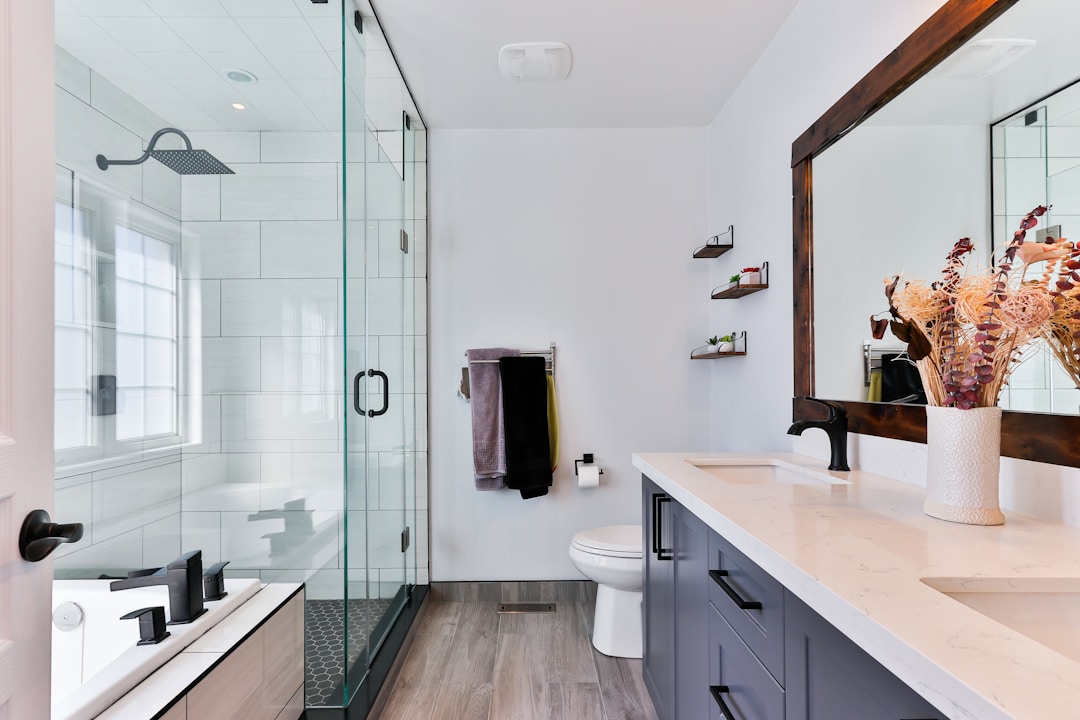
Bathrooms have a better return on investment than almost any other home improvement project. Whether you’re looking to update an outdated bathroom or add some new features, a bathroom remodel is a smart upgrade for almost any homeowner. You don’t have to renovate the entire space to give it a fresh look though. You can install features like a small countertop basin to give your bathroom a unique look. Upgrading your sink and other fixtures can make a big difference, and it doesn’t have to break the bank, so it’s a fairly accessible project.
Lawn design is a home improvement project every homeowner should consider. It’s obvious that a well-designed lawn can improve the curb appeal of your home and make it more attractive to potential buyers if you ever decide to sell. Lawn design is about more than just looks. A well-designed yard can also be a great place to relax and enjoy nature. A lush, green lawn is the perfect backdrop for a hammock or a patio set, and a well-placed tree or shrub can provide shade on a hot day.
How else can you upgrade your home?
Most people don’t think of their thermostat as a valuable upgrade for their home, but a smart thermostat can save you a lot of money in the long run. Smart thermostats can be programmed to adjust the temperature in your home based on your schedule. This means that you can save money on your energy bill by not heating or cooling your home when you’re not there. Smart thermostats can also be controlled remotely, so you can adjust the temperature in your home even when you’re not there. They can even help reduce your carbon footprint by providing insights on your energy usage and how to cut down on consumption.
A fresh coat of paint is another way to change the look and feel of a room. It can brighten up a space, make it feel more cheerful, and even make it seem larger. If you’re looking to give your room a fresh start, consider painting it with a new color. Before you start, though, it’s important to choose the right color. You don’t want to paint your room with a color that you’ll eventually grow to hate. To choose the right color, consider your room’s size, the type of lighting it has, and your personal preferences.
There are few things more worthwhile to invest in than your home. It’s where you raise your family, where you come to relax after a long day at work, and a place where you make memories that will last a lifetime. That’s why it’s necessary to make your home as comfortable and inviting as possible. You could think about upgrading your kitchen, remodeling your bathroom, or just adding a new coat of paint to the walls. There are endless possibilities. As long as you follow this advice, you’ll be on your way to living in the home of your dreams.
A pie chart is great for data visualization. Pie charts can help businesses and companies make better business decisions as well. Are you looking for tips to create an effective pie chart? Creating a pie chart can be easy, but making it effective can be tricky. Keep reading for some tips on how to create an effective pie chart.
What is a pie chart?
Pie charts are a graphical representation of data that is divided into slices to illustrate how much of a whole category is represented by each slice. They can be used to compare proportions of different parts to the whole, or to compare proportions between two or more data sets. Pie charts are often used to illustrate how much of a whole is occupied by a particular component, such as in business, where a pie chart may be used to show the relative market share of different companies. Pie charts can also be used to compare different values. There are three main types of pie charts:
Sliced pie chart: This type of pie chart has straight lines that divide the pie into slices. It is generally used for small data sets.
Stacked pie chart: This type of pie chart stacks the slices on top of each other, and it is generally used for large data sets.
3D pie chart: This type of pie chart uses 3D effects to create a more visually appealing graph.
The best method of creating a pie chart is using Excel. Excel is a software application that allows you to store and organize data in spreadsheets. Excel spreadsheets can be easily shared with other people, making them a great tool for collaborative work. Excel also includes powerful data analysis features that allow you to perform complex calculations and compile data into graphs and charts.
How many pies or slices should you use?
Pie charts are a great way to compare parts of a whole, but they can be difficult to read if there are too many slices. When creating a pie chart, make sure to use only the most important data analysis points to avoid crowding the pie with too many slices. This will help ensure that your chart is easy to read and understand. It is important to test different layout options when creating pie charts to find the best way to display the data. Some layouts may be more effective than others at highlighting specific data points or trends. Additionally, some layouts may be easier to read or understand than others.
Generally, the slices of the pie chart are proportional to the value of the data it represents. This makes it easy to see which slices are the largest and which are the smallest. For example, if your pie chart is showcasing different salaries, the largest slice of the pie chart needs to represent the people who earn the most money, and the smallest slice is the one that represents the people who earn the least money.
How do you create a pie chart in Excel?
To create a pie chart, execute the following steps. First, type the data that you want to appear in the pie chart into a worksheet. Once you select the data you want to choose, click the Pie button on the insert tab in the charts group. Excel will then insert a default pie chart onto the worksheet. If you want a more personalized pie chart, instead of the default pie chart, click the Shape Format button and select a style on the Format tab, in the Shape Styles group. Once you are here, click the Chart Format button and then select a style. To resize the pie chart, drag one of the selection handles. To move the pie chart, click it and then drag it. To add a legend, click the Legend button on the Design tab and then select a position for the legend.
A lot of people are considering investing in the housing market right now in the Sarasota area, and Lakewood Ranch has some of the hottest real estate properties on the market. Given its convenient location, temperate weather, and aesthetic appeal, it’s no surprise that it’s a popular spot for buyers. However, anyone looking for a new home in the Lakewood Ranch area should think about using a broker with some experience. If you’re considering purchasing a home, keep reading for a brief guide to Lakewood Ranch’s real estate market.
What should you know about real estate in Lakewood Ranch?
The planned community at Lakewood Ranch has been around for over 25 years, and it looks likely to continue thriving for a long time to come. It has blossomed into a beautiful self-contained city with plenty of amenities for residents to enjoy. There are already over 43,000 residents, and with tens of thousands of homes under construction right now, population growth seems like a smart bet in the coming years. If you’re looking for a place to live in the Sarasota area, you should consider Lakewood Ranch.
Given how competitive the market can be for Lakewood Ranch real estate, it’s a good idea to work with a qualified real estate professional who has extensive experience in the area. It was named the best-selling multigenerational community in the United States and came in second place overall, making it one of the top-selling planned communities in the country. Homebuyers who want a peaceful place to live with their family, with a wide variety of entertainment options, will definitely feel at home moving to Lakewood Ranch.
When it comes to home prices in Lakewood Ranch, the average price of single-family homes in the area is estimated to be just under $600,000, though prices can vary depending on the location and property. Your realtor can help you set a realistic budget for the type of home you’re looking for and find relevant listings of Lakewood Ranch homes that you should consider. That way, you can give yourself the best possible chance of getting a good deal on a new home in the Lakewood Ranch area.
What is the housing market like right now?
You’ve probably heard that the housing market has been chaotic over the last year or so and that now is a challenging time to buy or sell a home. The truth is that you don’t need to avoid perusing the market; you just need a real estate agent with the right skills to get you the best deal. Experts and real estate analysts believe that home prices will continue to rise for the foreseeable future, so you may want to consider taking advantage of it if you find a buying opportunity in a top-tier community like Lakewood Ranch.
Though things are slowly beginning to shift, the younger generation hasn’t been able to make the transition to homeownership as easily as others have. This is due to a confluence of factors, including the impact of the market crash in 2008. If you’re not sure whether or not you’re in a position to purchase a home, talk to your real estate agent about what type of liquidity is required to afford a specific property.
There’s a lot to love about Lakewood Ranch, especially if you’re looking for a place to raise a family. In just a quarter-century, it has become one of the most successful and vibrant planned communities in the U.S., and it’s still expanding at an impressive pace. If you want to become the newest resident in Lakewood Ranch, take the time to reach out to a qualified broker with experience in the market. They can help you find listings that meet all of your needs and fit within your budget, as well as help you navigate the homebuying process.
If your property is in need of roofing services, then you’ll want to hire an experienced roofer to guarantee quality craftsmanship. Perhaps you’re in need of a new roof for your commercial property. Or maybe you’re a homeowner looking to find a contractor for roof repair. Hiring just any company won’t cut it. You’ll need a reliable contractor who is familiar with all types of roofing work and can do a great job at the services you need.
Do your research and compare different roofing companies.
Before you hire any roofer, you should always do your research and compare different companies. For example, Batterbee Roofing is an award-winning roofing contractor in The Villages, and their technicians have the knowledge and skill for roof replacements. Whether you need routine roof maintenance, a replacement, restoration for storm damage, or coating, they know how to do a great job. You’ll want to compare different roofing companies to what you’d find from a roofing company like Batterbee. Check out whether their technicians handle repairs with professionalism and if they have years of experience to back up their claims. Credibility is key.
Look over their services and get quotes.
You’ll want to make sure that the local roofers you choose actually offer the services you need. Maybe you have a leaky roof or you want an inspection for a new property you’re purchasing. The company you choose should be able to meet all of your roofing needs. Get a free estimate from each roofing business and determine which service offers competitive pricing for high-quality work. Don’t just choose the most affordable option because it’s cheap. Your property is an investment, so you’ll want quality roofing.
Ask if they can provide insurance and licensing information.
A business can make a lot of claims, so checking for insurance and licensing is a great way to narrow down your options to the most legitimate choices. Certification is a mark of quality, and all commercial roof services are required to have a business license to operate in your local area. Some states don’t require licensing, so you’ll want to do your research and check the requirements in your area in case things go wrong. Make sure that the company’s license is up to date. The roofing company should also have workers’ compensation insurance in order to protect anyone who may be injured on the job. Meanwhile, liability insurance refers to damage to your property that the crew should be responsible for while on the job.
Inquire about the warranty if you’re getting a new roof.
If you’re getting a new roof, then you’ll want to ask about the warranty. A lot of roofing companies will offer 25 years on the warranty, and it’s important to get that in writing when it comes to a replacement. There are some shingles that last long, but some of them may need repairs over the course of homeownership. It all depends on your area’s climate and whether it has any bad storms or extreme weather conditions. If you live in Central Florida, for example, then you may see further damage following hurricane season.
If you want to hire the best roofer, then it’s important that you commit to the research process and find an excellent company to help care for your roof. Look at some of the top choices in your area and compare their services and experience. Request quotes from each of the companies and review which businesses offer high-quality roofing services for a decent price. Whether you need a routine inspection or a complete roof installation, there are companies out there that can give you outstanding customer service and quality work. Do your due diligence for peace of mind.
A living room makeover can be transformative for not just the room, but also the entire house since it is a room you spend a lot of time in. It is likely the room you use to spend time with your family, relax, and entertain. You may want to make sure the room is functional while also comfortable and inviting to the people who may come over. If you watch a lot of television, you want to make sure the setting in the room is conducive to seeing the television. If it’s more of a playroom, you want to make sure it is safe, and you have plenty of storage for toys and games. How you use the room is entirely up to you, but it is important to transform the space into something that will make you happy regardless of what is in or trendy at the moment.
Here are three aspects of a transformative makeover.
1. New Flooring
If you use you’re living a lot for entertaining and spending time with your family and pets, the carpet probably gets a lot of abuse. You can only vacuum and shampoo a carpet so many times before it starts looking worn and ragged. New carpet can provide a transformative makeover to your living room. You can change the color scheme of the room and even the feel of the room with the carpeting you choose for the space. Carpet Outlet is a Dallas carpet store that can show you the many options you have, from wall-to-wall carpeting to area rugs. You can also choose tile, laminate, hardwood, or vinyl. You can choose something durable and easy to clean and then choose an area rug for something soft to walk on in the room.
2. New Furniture
New living room furniture is transformative and fun. You can change the entire direction and flow of the room with the furniture you choose for the space. You can go with all new furniture for the area or pick pieces you want to replace. For example, you may still be happy with your coffee table and end tables, but you desperately want a new couch, loveseat, and armchair. Maybe you want to switch things up, and instead of having three pieces of furniture, you go with two large couches. If you have a small family, you may choose a few comfortable chairs and skip the couches altogether. Since the furniture will be a significant investment, you may decide to pick that out before flooring and paint colors.
3. New Paint
Painting a room is a reasonably inexpensive way to give it an entirely new look without making structural changes. The color of the living room plays a significant role in the room’s overall feel. If you want the room to be comfortable and inviting, you want to choose warmer tones. If you want the room to look clean and modern, choose cooler tones. The color of the walls will have a huge impact on everything else. If you are also planning on new carpet and new furniture, you should paint the room first to avoid any mishaps and match the paint to everything else you are picking out for the new living space.
If you have the budget to replace the flooring, furniture, and wall color, you can create an entirely new room and make it the space of your dreams. However, each of these areas of improvement is transformative, so even if you can only afford furniture or only afford to paint right now, you can make a dramatic change to the space.
It’s common for couples to bicker, but sometimes there are arguments that require a lot more than taking out the trash or buying a bouquet of flowers. Addressing these issues can help a relationship build back better, but there are hurdles that come with having these discussions. Here are some of the more common arguments that couples have and how you can work out your differences.
Inadequate Attention
You may be sitting and watching TV and your partner is telling you about their day but you’re just tuning them out. Perhaps, you’ve forgotten an important date on the calendar. A lack of attention can easily lead heads to butt, as people feel like what goes on in their daily lives is not of care to their partner. For some couples, a getaway is what does the trick to having a moment to reconnect, away from the hassle of their chore list.
Anaffairoftheheart.us offers private intensive therapy retreats for couples that get right to the heart of the problem. rather than letting it drag on for consecutive years. If an issue has gone on for the long term, it takes more than just a couples therapy session once a week. A five-day intensive retreat helps to fine-tune the connection by allowing for a true representation of your love for one another to get over past performance.
Financial Issues
Money matters can hit couples in a variety of ways. It can range from one partner racking up credit card debt to jealousy over paychecks. Possible losses and concerns over portfolios can drive a wedge between partners, especially if they share accounts. Transparency is key and, while it’s an uncomfortable conversation to have, discussing financial status helps couples avoid a possible loss.
You can also take time to explore financial options based on a price target that could benefit you both in the long term. Look into some of the top Canadian dividend ETFs, a hybrid between an index mutual fund and a stock. An ETF is a type of security that tracks an index, sector, commodity, currency, or investment strategy, but can be bought and sold on an exchange like stocks. It could be the good investment you’re looking for.
Infidelity
One of the greatest arguments that can have the deepest impact on a couple’s future is if one partner, or both of you, has not been committed to one another. This issue can come up early in a relationship if you haven’t discussed the guidelines of your partnership or after a long-term relationship or even decades for a plethora of reasons including just wanting to get involved with someone else physically.
Intensive therapy could help couples work out what is leading to a wandering eye and other body parts. It could also uncover deeper-rooted troubles that may help a couple work out their problems for information purposes. The last thing you want is to wind up in divorce proceedings divvying up real estate, child custody, or equity of a stock portfolio.
Bad Habits
Let’s face it. Those little squabbles tend to come up from omissions of information to biting fingernails and not cleaning up. These are matters that are left to a conversation but sometimes steers to full-blown arguments. The truth is that this can all vary on habits and advisability from friends and family to whisper in your ear if you’re in the wrong or not.
From the distribution of a chore list to a discussion about hygiene, the talk needs to happen, but you shouldn’t let it lead to the impact of state when it comes to how your relationship continues. Nip it in the bud and focus on the best parts of your relationship and what draws you to one another.
They say the West Coast is the “best coast.” But when it comes to home design, the East Coast has some iconic elements that have been implemented from New Jersey to San Francisco. From a historical perspective, it makes a lot of sense. After all, the United States began on the East Coast, so the very first homes were built there. There are colonial-style homes, rustic cabins, New England farmhouses, or even coastal cottages. These homes have richer color schemes and traditional pieces with ornate designs. Needless to say, you’ll see a lot of traditional and rustic elements. Keep reading below to learn more about the aspects of good home design on the East Coast.
A nod to the early history
A major aspect of good home design on the East Coast is a nod to early American history. Homes built in the 18th and 19th centuries have a lot of character and charm in comparison to new builds on the West Coast. Expect to see grand columns, brick walkways, and crown molding. These houses were built to last, unlike some of the cookie-cutter homes made of drywall that you may find in new subdivisions in the west. When it comes to exterior finishes and quality workmanship, you’ll definitely notice more traditional accents.
Stylish doors and functional windows
Because East Coast weather tends to go through extremes, you’ll often find that the doors, windows, and exterior finishes reflect that. These homes aren’t just made to look pleasing, they’re also functional. You’ll find large windows to allow light in during those dreary winters. There are also doors with ornate glass designs. Homeowners on the East Coast have to think about durability and not just design. For example, Window and door installation in East Hanover, NJ might involve storm windows for any harsh weather conditions.
Rich colors and darker tones
On the West Coast, you’ll find light color schemes and neutral tones. But homeowners on the East Coast may be more likely to experiment with wallpaper, custom drapery, ornate rugs, and antique home accents. It’s all about showing off your personal style through unique pieces rather than what’s trending. Interior design in Rochester, NY, might involve custom upholstery in rich emerald shades and darker-toned wood. Meanwhile, home design in San Diego, CA, might involve sandy hues and bright whites. On the East Coast, you’ll find unique elements that are likely a little more “old-school.”
The contrast in color schemes and textures
A well-designed East Coast home isn’t afraid of contrast. Think dark metal finishes with light wood tones. It’s all about creating dramatic vignettes in the home! The contrast in interior design speaks volumes. Expect to see textures in trim work and crown molding. There should be ornate elements that show off the finer details. You might see rich navy blue paired with ivory in a New England coastal cottage. Or maybe you’ll see materials being coordinated together, like hardwood floors and brick fireplaces in a colonial-style home. East Coast homes don’t often mix and match different textures. It’s more about synchronizing and coordinating textures and colors for a more polished look.
When it comes to good home design, the East Coast boasts some unique elements. From historic features and rich textures to functional windows and dark colors, you’ll notice that it’s often about looking put-together. It’s less about organic elements and more about creating a cozy, warm, and elegant abode. You’ll see contrast like dark hardwood floors and white cabinets in kitchens. Seaside homes on the East Coast will coordinate a wood mantle with a stone fireplace. Regardless of what you choose to incorporate into your East Coast home, the design will always work best when there’s a little bit of a nod to local history.
The fall and winter months can be a glorious time of beautiful changing leaves, cool and crisp air, winter sports, and some much-needed time with family and friends. One thing that can spoil it all, however, is if your heating system fails you during these colder seasons. Every homeowner wants to stay comfortable throughout the year, and one of the most important ways to ensure this is to have a technician perform regular maintenance on your HVAC system.
Preventative maintenance is important to prevent minor problems from becoming major ones; it can improve your home air quality and safety, and it may even be necessary to keep your warranty on your heating system. Of course, there are some times when keeping up with this maintenance won’t be enough, and your system will begin to suffer anyway. Naturally, you’ll want to mitigate damage and keep the costs of repair services as low as possible, and to do that, you’ll need to be able to recognize warning signs. Here are some of the most common furnace sounds that indicate trouble with the heating system.
Loud bangs are priority number one.
It is normal for your furnace to make a low level of noise when it turns on, but if you’re hearing a loud bang, booming, or other such strange noises when it comes on, that’s an indicator that you need to look into furnace repair as soon as possible. There are several things that these loud noises can mean, and none of them are good.
If it sounds like someone set off a firecracker when your furnace ignites, this could indicate fuel buildup. This is most frequently caused by a faulty burner that’s having difficulty reaching a high enough temperature to ignite the fuel in your heating system. When the fuel finally does ignite, the excessive amount that has built up causes an extremely loud noise when it’s finally ignited. This can damage your fuel exchanger, and even more importantly, it’s one of the common fire hazards that can lead to damage in your home. There’s also the possibility that a weak pilot light may be causing a blockage or low fuel pressure that results in a loud noise.
Squeals need to be repaired soon.
While generally not as dangerous as loud bangs, squealing sounds coming from your heater are extremely alarming and annoying, and they’re unlikely to stop on their own once they start. A worn belt on the motor is one of the most common culprits for this noise, and you’ll want to inspect it for cracks, frayed edges, and other signs of damage. If the belt tension has loosened, it will need to be tightened by a professional. These noises may also indicate loose or damaged bearings, which should also be replaced or lubricated by a qualified technician.
Rattles and rumbles may be signs of loose debris.
While not as frightening as the other noises on this list, hearing a low rumbling when your furnace turns on can still indicate a serious problem, such as faulty ductwork, loose debris, and contaminants, or even a faulty fan blade. In some cases, these sounds may even indicate a damaged heat exchanger, which can lead to a carbon monoxide leak, so it’s imperative to have these strange sounds investigated as soon as possible.
Particularly if you have a centralized system, you’ll want to keep dirt and debris to a minimum. Your ducts can spread contaminants throughout your home when they’re dirty, and this lowers your indoor air quality. You may generally think of pollutants as being associated with outdoor air, but it’s so easy to track them into your home that indoor air can be even more contaminated than the air outside. For both your safety and comfort, it’s crucial to have furnace repairs completed as soon as possible if you’re hearing any unusual sounds.